


Hey there! As a supplier of electric small tractors, I've been getting a lot of questions lately about how the power delivery of these electric machines stacks up against traditional internal combustion engines. So, I thought I'd take a deep dive into this topic and share my insights with you.
How Does Power Delivery Work?
First off, let's understand how power delivery works in both types of engines. In an internal combustion engine (ICE), power is generated by burning fuel inside a combustion chamber. This explosion creates pressure that moves pistons, which in turn rotate the crankshaft and ultimately drive the wheels. The power output of an ICE depends on factors like the engine size, the amount of fuel being burned, and the efficiency of the combustion process.
On the other hand, electric small tractors use an electric motor to generate power. The motor is powered by a battery pack, and when electricity flows through the motor, it creates a magnetic field that causes the motor to spin. This spinning motion is then transferred to the wheels to move the tractor. The power output of an electric motor depends on the voltage and current supplied by the battery, as well as the design and efficiency of the motor itself.
Instant Torque: A Game - Changer
One of the biggest advantages of electric small tractors when it comes to power delivery is instant torque. Torque is the rotational force that gets the tractor moving and helps it pull heavy loads. In an ICE, it takes a bit of time for the engine to build up speed and reach its peak torque. You often have to rev the engine up to a certain RPM (revolutions per minute) to get the maximum pulling power.
But with an electric motor, you get full torque right from the start. As soon as you press the accelerator, the electric motor delivers its maximum torque instantly. This means that electric small tractors can start moving heavy loads more quickly and smoothly compared to ICE tractors. Whether you're pulling a plow through a field or towing a trailer, the instant torque of an electric tractor gives it a real edge.
Consistent Power Output
Another benefit of electric small tractors is their consistent power output. In an ICE, the power output can vary depending on the engine's RPM. At low RPMs, the engine may not be producing enough power, and at high RPMs, it might be less efficient. This can lead to uneven performance, especially when you're working on tasks that require a steady amount of power.
Electric motors, however, offer a more consistent power output across a wide range of speeds. They can maintain a relatively constant level of torque and power, which makes them great for tasks like mowing, tilling, or hauling. You don't have to worry about the engine losing power or sputtering when you encounter a tough spot. This consistent power delivery results in more efficient and reliable operation.
Efficiency and Energy Savings
When it comes to efficiency, electric small tractors have a clear advantage. ICEs are known for their relatively low efficiency, especially when idling or operating at partial loads. A significant amount of the energy from the fuel is wasted as heat, and the engine has to work harder to overcome internal friction.
Electric motors, on the other hand, are much more efficient. They convert a higher percentage of the electrical energy from the battery into mechanical energy to move the tractor. This means that you can get more work done with less energy, which translates to lower operating costs. Over time, the energy savings can really add up, making electric small tractors a more cost - effective option in the long run.
Maintenance and Long - Term Performance
Let's talk about maintenance. ICEs have a lot of moving parts, such as pistons, valves, and a complex fuel system. These parts require regular maintenance, including oil changes, spark plug replacements, and tune - ups. Over time, these moving parts can wear out, leading to decreased performance and potentially costly repairs.
Electric small tractors have far fewer moving parts. There's no need for oil changes, and the electric motor is generally more reliable and requires less maintenance. This not only saves you time and money on maintenance but also ensures that the tractor maintains its power delivery and performance over a longer period.
Real - World Applications
Now, let's look at some real - world applications. If you're in the agricultural industry, an electric small tractor with its instant torque can be a great asset for tasks like pulling heavy implements through the fields. You can start tilling or plowing right away without having to wait for the engine to warm up and reach its peak power.

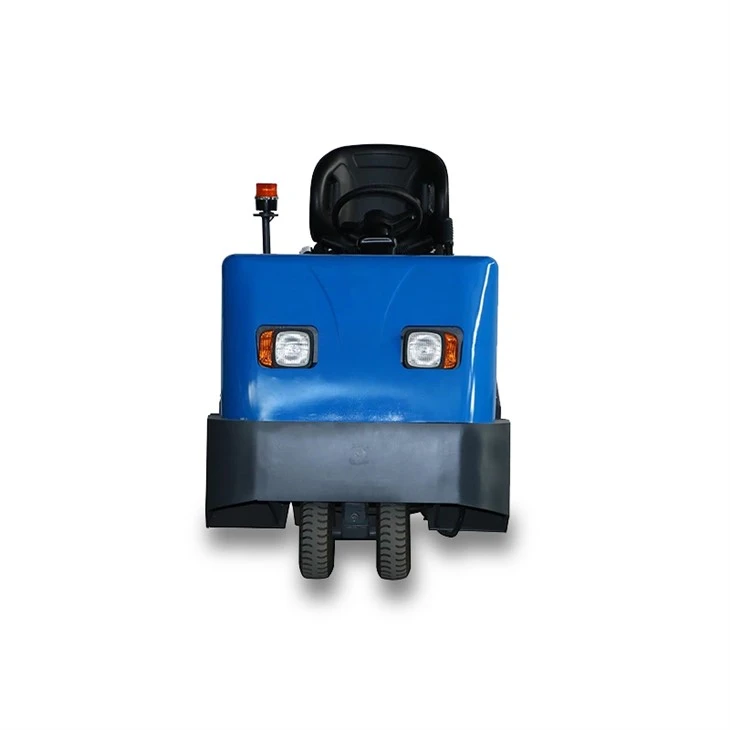
In industrial settings, electric small tractors are ideal for moving goods around warehouses or yards. Their consistent power output and quiet operation make them a popular choice. You can check out our Electric Compact Utility Tractor, which is perfect for these types of applications.
For larger - scale hauling, we also offer the 20 Ton Car Type Tractor and the 3 Ton Car Type Electric Tractor. These tractors can handle heavy loads with ease, thanks to the efficient power delivery of their electric motors.
Making the Switch
If you're still using an ICE tractor and thinking about making the switch to an electric small tractor, there are a few things to consider. The initial cost of an electric tractor may be higher than an ICE tractor, but when you factor in the long - term savings on fuel and maintenance, it can be a smart investment.
Also, you need to make sure you have a reliable charging infrastructure in place. Most electric small tractors can be charged overnight, but if you have a high - usage operation, you may need to consider a faster charging solution.
Contact Us for More Information
In conclusion, the power delivery of electric small tractors offers several advantages over internal combustion engines, including instant torque, consistent power output, higher efficiency, and lower maintenance requirements. If you're interested in learning more about our electric small tractors or are thinking about making a purchase, we'd love to hear from you. Whether you have questions about power delivery, performance, or pricing, our team of experts is here to help. Reach out to us, and let's start a conversation about how an electric small tractor can meet your needs.
References
- "Electric Vehicle Technology Explained" by John C. Bird
- "The Handbook of Internal Combustion Engines" by Siegfried Januszewski