


Hey there! As a solid tires supplier, I've gotten tons of questions about how our solid tires perform in muddy conditions. So, I thought I'd dive deep into this topic and share some insights based on my experience and knowledge.
First off, let's talk about what solid tires are. Unlike pneumatic tires that are filled with air, solid tires are made from a single piece of rubber or a combination of rubber and other materials. They're known for their durability, puncture resistance, and long lifespan. But how do they hold up when things get muddy?
Traction in Mud
One of the most important factors when it comes to driving in muddy conditions is traction. Traction is what keeps your vehicle moving forward without slipping and sliding all over the place. Solid tires can actually perform quite well in mud, but it depends on a few things.
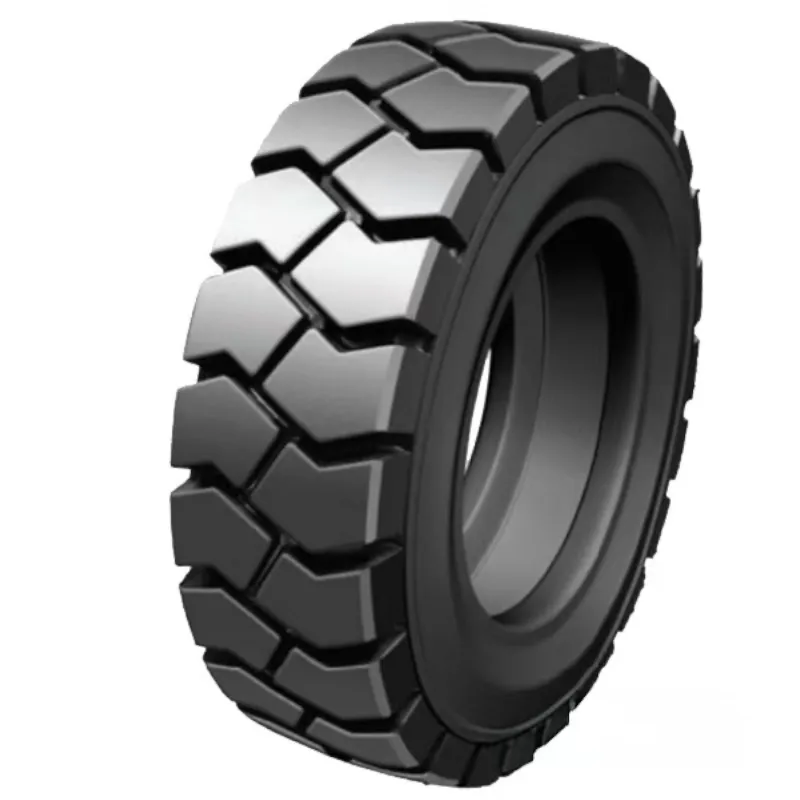
The tread pattern of the tire plays a huge role in its traction capabilities. Tires with deep, aggressive treads are generally better at gripping the mud and providing traction. These treads help to channel the mud out from under the tire, preventing it from getting packed in and reducing traction. Some of our Light - duty Tires have specially designed tread patterns that are great for muddy conditions. They have wide grooves that can effectively eject mud and maintain good contact with the ground.
However, it's important to note that solid tires may not have the same level of traction as some pneumatic tires in extremely muddy situations. Pneumatic tires can deform to some extent, which allows them to conform to the shape of the ground and get a better grip. Solid tires, on the other hand, are more rigid. But in most cases, especially for light - to - moderate mud, our solid tires can still do a pretty good job.
Floatation
Floatation is another aspect to consider in muddy conditions. Floatation refers to how well a tire can distribute its weight over a large area, preventing it from sinking too deeply into the mud. Solid tires can offer decent floatation, especially if they have a wide footprint.
When a tire has a wide footprint, it spreads the weight of the vehicle over a larger surface area. This reduces the pressure on the mud, making it less likely for the tire to sink. Our Tires with Raised Rim Protector often have wider designs that contribute to better floatation. This means that your vehicle can move more easily through the mud without getting stuck as quickly.
Rolling Resistance
Rolling resistance is the force that resists the motion of a tire as it rolls. In muddy conditions, high rolling resistance can make it difficult for your vehicle to move forward. You don't want your engine to have to work too hard just to keep the tires turning.
Our solid tires are designed to have relatively low rolling resistance, even in mud. This is important because it helps to improve fuel efficiency and overall performance. Some of our Best Low Rolling Resistance Tires for Electric Cars are engineered with advanced materials and tread designs that minimize rolling resistance. When driving in mud, these tires can roll more smoothly, requiring less energy to keep the vehicle moving.
Durability in Mud
Mud can be pretty harsh on tires. It can contain sharp rocks, sticks, and other debris that can damage the tire's surface. Solid tires are known for their durability, and this is a big advantage in muddy conditions.
The solid construction of our tires makes them resistant to punctures and cuts. Even if there are sharp objects hidden in the mud, our tires are less likely to get damaged compared to pneumatic tires. This means that you can drive through muddy areas with more confidence, knowing that your tires are less likely to fail.
Maintenance
Another benefit of solid tires in muddy conditions is the low maintenance requirements. Pneumatic tires can get punctured easily in mud, which means you may have to constantly check the air pressure and patch up any holes. With solid tires, you don't have to worry about air pressure at all.
After driving through mud, all you need to do is clean the tires. A simple wash with a hose can remove most of the mud and debris. This saves you time and money in the long run, as you don't have to deal with frequent tire repairs or replacements.

Limitations
Of course, solid tires aren't perfect for every muddy situation. In extremely deep mud or when the mud is very sticky, even the best solid tires may struggle. The lack of flexibility compared to pneumatic tires can be a drawback in these extreme cases.
Also, solid tires can be a bit heavier than pneumatic tires. This extra weight can put more strain on your vehicle's suspension system, especially if you're driving on rough, muddy terrain for an extended period of time.
Conclusion
Overall, solid tires can perform quite well in muddy conditions. They offer good traction, floatation, low rolling resistance, and high durability. While they may have some limitations in extreme situations, for most everyday muddy driving scenarios, they're a great choice.
If you're in the market for solid tires that can handle mud, we've got a wide range of options to choose from. Whether you need light - duty tires for a small vehicle or heavy - duty tires for industrial use, we can provide the right solution for you.
If you're interested in learning more about our solid tires or want to discuss your specific needs, feel free to reach out. We're here to help you find the perfect tires for your vehicle and your driving conditions. Let's start a conversation and see how we can work together to get you the best tires for your muddy adventures!
References
- Tire industry research reports on solid tire performance in various terrains.
- Internal testing data from our company on solid tire performance in muddy conditions.