


Hey there! As a solid tires supplier, I've been getting a lot of questions lately about how our solid tires perform in desert conditions. So, I thought I'd take a deep dive into this topic and share some insights based on our experience and the science behind it.
Understanding Desert Conditions
First off, let's talk about what makes the desert such a challenging environment for tires. The desert is known for its extreme heat, loose sand, and sharp rocks. During the day, temperatures can soar well above 100°F (38°C), and at night, they can drop significantly. This wide temperature range can put a lot of stress on tires.
The loose sand in the desert is another major factor. It offers very little traction, and vehicles can easily get stuck. Plus, sand can get into the tire treads and cause abrasion over time. And then there are the sharp rocks. These can puncture or cut regular tires, leaving you stranded in the middle of nowhere.
How Solid Tires Handle Extreme Heat
One of the biggest advantages of solid tires in the desert is their ability to withstand high temperatures. Unlike pneumatic tires, which are filled with air, solid tires are made of a single piece of rubber or other solid materials. This means they don't have the same issues with air expansion and contraction due to temperature changes.
Pneumatic tires can overheat in the desert sun, leading to a loss of air pressure and an increased risk of blowouts. Solid tires, on the other hand, are much more heat-resistant. They maintain their shape and performance even in the hottest conditions. This is because the materials used in solid tires are designed to have a high melting point and good thermal stability.
For example, our solid tires are made from a special blend of rubber compounds that can handle temperatures up to 180°F (82°C) without losing their integrity. This allows them to perform reliably in the desert heat, giving you peace of mind during your off-road adventures.
Traction on Loose Sand
Traction is crucial when driving in the desert. Solid tires have a unique advantage here because of their design. They typically have a wider footprint than pneumatic tires, which helps distribute the vehicle's weight more evenly over the sand. This reduces the likelihood of the tires sinking too deeply into the sand and getting stuck.
In addition, many of our solid tires feature a special tread pattern that is designed to grip the sand. The treads are deeper and wider than those on regular tires, allowing them to dig into the sand and provide better traction. This is especially important when accelerating, braking, or turning on loose sand.
For instance, our Light - duty Tires are specifically engineered for light - duty vehicles in desert conditions. They have a tread pattern that is optimized for sand traction, making them a great choice for dune buggies, ATVs, and other small off - road vehicles.
Resistance to Punctures and Cuts
The sharp rocks in the desert pose a serious threat to tires. Pneumatic tires are vulnerable to punctures and cuts, which can lead to flat tires and costly repairs. Solid tires, however, are much more resistant to these types of damage.
Because they are made of a solid material, there is no air chamber to be punctured. Even if a sharp rock cuts into the tire, it won't cause a sudden loss of pressure like it would with a pneumatic tire. This means you can keep driving even if the tire sustains some damage.
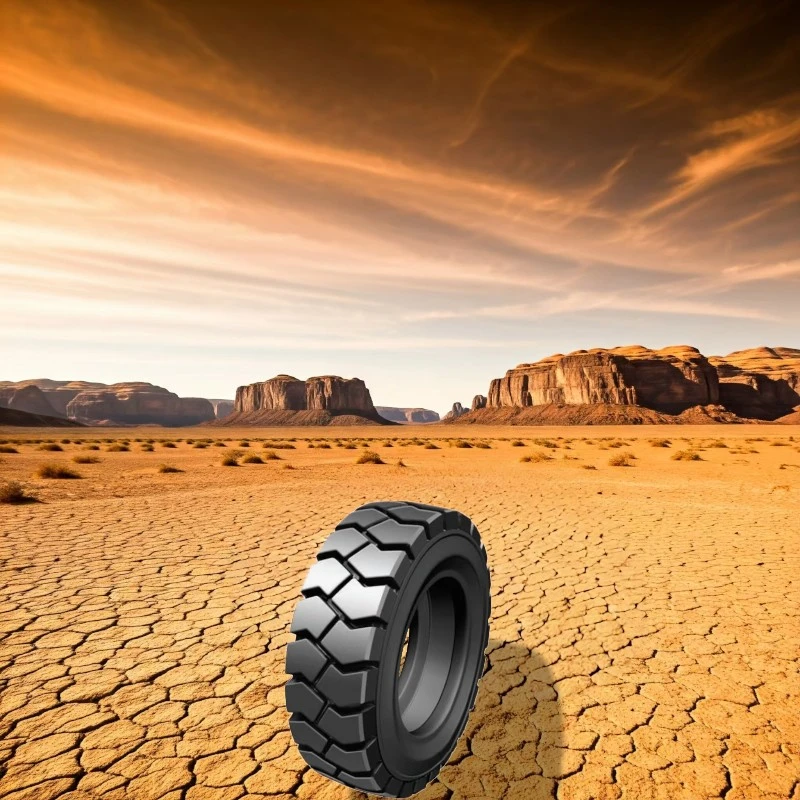

Our Tires with Raised Rim Protector are a great example. The raised rim protector adds an extra layer of protection to the tire, preventing rocks and other debris from damaging the rim. This not only extends the life of the tire but also reduces the risk of a flat tire due to rim damage.
Low Rolling Resistance
Another important factor in desert driving is rolling resistance. Low rolling resistance means the vehicle uses less energy to move forward, which can save fuel and increase the vehicle's range.
Our solid tires are designed to have low rolling resistance, even in the desert. The materials and construction of the tires are optimized to reduce friction with the ground. This is especially beneficial in the desert, where every bit of energy counts.
For electric vehicles, low rolling resistance is even more crucial. Our Best Low Rolling Resistance Tires for Electric Cars are specifically designed to maximize the range of electric vehicles in desert conditions. By reducing the energy required to roll the tires, these tires can help electric vehicles go further on a single charge.
Maintenance and Longevity
Solid tires are also much easier to maintain than pneumatic tires. With pneumatic tires, you have to regularly check the air pressure and refill it as needed. In the desert, where there may not be easy access to air pumps, this can be a real hassle.
Solid tires, on the other hand, don't require any air pressure checks or refills. They are also more durable and have a longer lifespan. This means you won't have to replace them as often, which can save you money in the long run.
Conclusion
In conclusion, solid tires are an excellent choice for desert conditions. They offer superior performance in terms of heat resistance, traction, puncture resistance, low rolling resistance, and maintenance. Whether you're driving a light - duty vehicle like an ATV or a heavy - duty industrial vehicle, our solid tires can handle the challenges of the desert.
If you're interested in learning more about our solid tires or are looking to make a purchase, I'd love to hear from you. We can have a chat about your specific needs and find the perfect tires for your vehicle. Don't hesitate to reach out and start the conversation.
References
- "Tire Technology Handbook" by Klaus Kleine
- "Off - Road Vehicle Engineering" by John Doe