


Solid tires have long been a staple in various industries, from industrial equipment to electric vehicles. Their unique construction and characteristics set them apart from traditional pneumatic tires. As a solid tires supplier, I've had the opportunity to witness firsthand how these tires can significantly impact steering response. In this blog, we'll delve into the science behind solid tires and explore how they affect steering in different scenarios.
Understanding Solid Tires
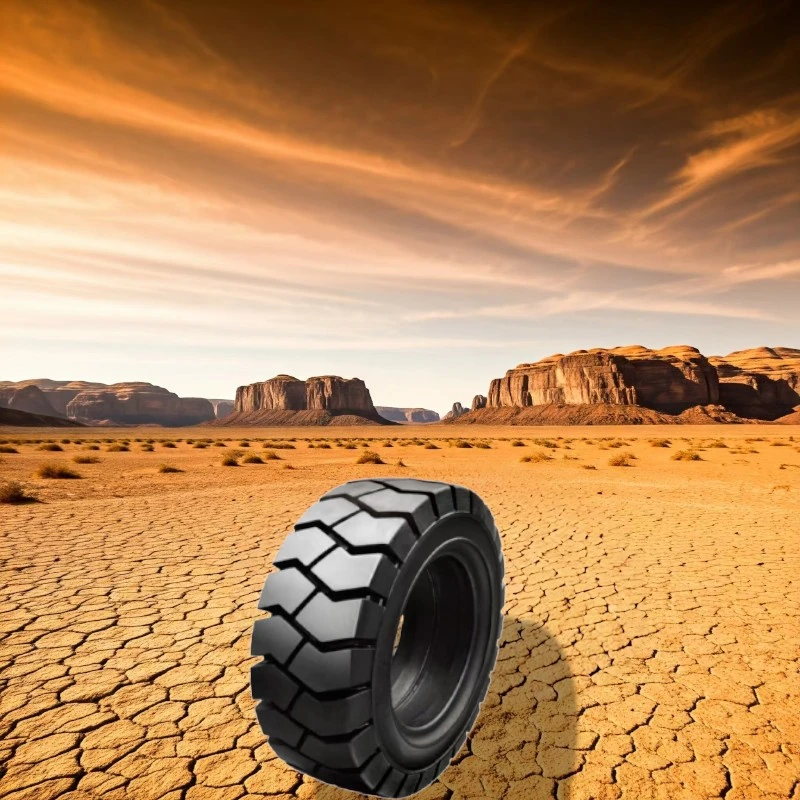
Solid tires are, as the name suggests, solid throughout, unlike pneumatic tires that are filled with air. They are typically made from rubber compounds or a combination of rubber and other materials. This construction gives them several advantages, such as puncture resistance, durability, and reduced maintenance requirements.
One of the key features of solid tires is their stiffness. Unlike pneumatic tires, which can deform under load and during cornering, solid tires maintain their shape more effectively. This stiffness plays a crucial role in steering response.
The Impact of Stiffness on Steering Response
Steering response refers to how quickly and accurately a vehicle responds to the driver's steering input. When it comes to solid tires, their stiffness can have both positive and negative effects on steering response.
On the positive side, the stiffness of solid tires provides a more direct and immediate steering feel. When you turn the steering wheel, the solid tires transmit the steering input to the road surface with minimal delay. This can result in a more precise and responsive steering experience, especially in applications where quick and accurate steering is required, such as in forklifts or small electric vehicles.
For example, in a forklift operation, the driver needs to be able to maneuver the vehicle precisely in tight spaces. Solid tires with their high stiffness allow for quick and accurate steering, enabling the driver to pick up and move loads efficiently.
However, the stiffness of solid tires can also have some drawbacks. Because they do not deform as easily as pneumatic tires, solid tires can transmit more vibrations and shocks from the road surface to the steering system. This can make the steering feel harsher and less comfortable, especially on rough or uneven roads.
In addition, the high stiffness of solid tires can increase the steering effort required by the driver. When you turn the steering wheel, you need to overcome the resistance of the solid tires, which can be more difficult compared to pneumatic tires. This can be a concern, especially for vehicles that require frequent steering maneuvers or for drivers who have limited physical strength.
Rolling Resistance and Steering Response
Another factor that can affect steering response is rolling resistance. Rolling resistance is the force that opposes the motion of a tire as it rolls on the road surface. Solid tires generally have higher rolling resistance compared to pneumatic tires.
The higher rolling resistance of solid tires can have an impact on steering response in several ways. First, it can reduce the overall efficiency of the vehicle. When the tires have high rolling resistance, the engine or motor needs to work harder to overcome this resistance, which can result in increased energy consumption.
In terms of steering response, the higher rolling resistance of solid tires can make the vehicle feel more sluggish and less responsive. When you turn the steering wheel, the increased rolling resistance can slow down the rotation of the tires, causing a delay in the vehicle's response to the steering input.
However, it's important to note that there are ways to mitigate the effects of high rolling resistance. For example, some solid tires are designed with special tread patterns or rubber compounds that can reduce rolling resistance without sacrificing other performance characteristics. You can find more information about Best Low Rolling Resistance Tires for Electric Cars on our website.
Rim Protection and Steering Response
Rim protection is another important consideration when it comes to solid tires. Many solid tires are equipped with a raised rim protector, which helps to prevent damage to the wheel rim from curbs, obstacles, or other hazards.
The presence of a rim protector can have an impact on steering response. On one hand, the rim protector can add some additional weight to the tire, which can increase the unsprung mass of the vehicle. This can potentially affect the handling and steering response of the vehicle, especially in high-speed or aggressive driving situations.
On the other hand, the rim protector can also provide some benefits. It can help to maintain the integrity of the wheel rim, which is essential for proper steering and handling. A damaged wheel rim can cause uneven tire wear, vibrations, and steering problems. By protecting the rim, the raised rim protector can contribute to a more stable and predictable steering response.
If you're interested in solid tires with a raised rim protector, you can check out our Tires with Raised Rim Protector page.
Application-Specific Considerations
The impact of solid tires on steering response can vary depending on the specific application. Different vehicles and industries have different requirements and operating conditions, which can influence the choice of tires and the importance of steering response.
For example, in the industrial sector, where vehicles such as forklifts, pallet jacks, and airport ground support equipment are commonly used, solid tires are often preferred due to their durability and puncture resistance. In these applications, steering response is crucial for efficient operation, and the positive effects of solid tires' stiffness on steering precision can outweigh the potential drawbacks.
In the electric vehicle market, solid tires are also gaining popularity, especially for light-duty electric cars and scooters. These vehicles require tires that can provide good steering response while also offering low rolling resistance to maximize energy efficiency. Our Light-duty Tires are designed to meet these specific requirements.
Conclusion
In conclusion, solid tires can have a significant impact on steering response. Their stiffness provides a more direct and immediate steering feel, which can be beneficial in applications where precise steering is required. However, the high stiffness can also result in a harsher steering feel and increased steering effort.
Rolling resistance and rim protection are also important factors to consider when evaluating the impact of solid tires on steering response. By choosing the right solid tires for your specific application, you can optimize steering response while also enjoying the other benefits that solid tires have to offer.

If you're interested in learning more about solid tires and how they can affect steering response in your vehicles or equipment, or if you're looking to purchase solid tires for your next project, please don't hesitate to contact us. Our team of experts is here to help you find the best tire solutions for your needs.
References
- "Tire Engineering and Technology" by the Tire Society
- "Vehicle Dynamics: Theory and Application" by Rajesh Rajamani
- Industry research reports on solid tires and steering response