


Hey there! As a supplier of pneumatic tires, I'm super stoked to share with you how these amazing pieces of tech work. Pneumatic tires are all around us, from our cars and bikes to heavy - duty industrial machinery. Let's dig into the nitty - gritty of how they operate.
The Basics of Pneumatic Tires
First off, what exactly are pneumatic tires? Well, they're tires that are filled with compressed air. This air acts as a cushion between the vehicle and the road or surface it's traveling on. The basic structure of a pneumatic tire consists of a tread, sidewall, bead, and an inner tube (in some cases) or a tubeless design.
The tread is the part of the tire that makes contact with the ground. It has a specific pattern that's designed for different purposes. For example, tires for off - road vehicles have deep, aggressive treads to grip loose surfaces like mud and gravel. On the other hand, tires for highway driving have a more shallow and smooth tread pattern to reduce noise and improve fuel efficiency.
The sidewall is the vertical part of the tire that connects the tread to the bead. It provides support and protection for the tire's internal structure. The bead is the part of the tire that sits on the wheel rim. It's made of high - strength steel wires that keep the tire firmly attached to the wheel.
How the Air Inside Works
The air inside a pneumatic tire is crucial for its operation. When you inflate a tire, you're essentially creating a pressurized system. This pressure helps the tire maintain its shape and support the weight of the vehicle. Think of it like a balloon. When you blow air into a balloon, it becomes firm and can hold its shape. The same principle applies to pneumatic tires.

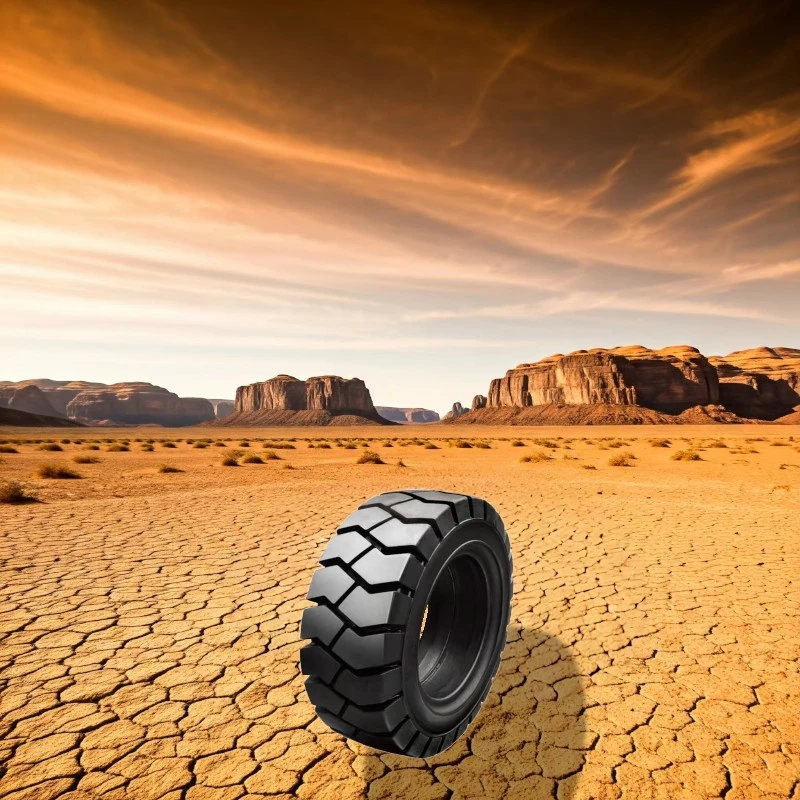
The air pressure in a tire also affects its performance. If the tire is under - inflated, it will have a larger contact area with the ground. This can lead to increased rolling resistance, which means the vehicle has to work harder to move forward. As a result, fuel consumption goes up, and the tire wears out faster. On the flip side, if the tire is over - inflated, the contact area with the ground is reduced. This can cause the tire to have less traction, especially in wet or slippery conditions, and it can also make the ride more bumpy.
Load - Bearing Capacity
One of the key functions of pneumatic tires is to support the weight of the vehicle and its load. The air pressure inside the tire distributes the weight evenly across the tread. For example, in a car, each tire has to support a certain amount of the car's total weight. The larger the tire and the higher the air pressure, the more weight it can carry.
In industrial applications, like forklifts and excavators, pneumatic tires need to handle even heavier loads. Internal Combustion Forklift Tires are designed to support the weight of the forklift and the heavy pallets or goods it's carrying. These tires are made with stronger materials and have a higher load - bearing capacity compared to regular car tires.
Traction and Handling
Traction is another important aspect of pneumatic tire performance. Traction refers to the tire's ability to grip the road surface. The tread pattern plays a big role in this. As mentioned earlier, different tread patterns are designed for different conditions. For example, a tire with a lot of sipes (small cuts in the tread) can provide better traction in wet conditions. These sipes help to channel water away from the tire's contact area, reducing the risk of hydroplaning.
Handling is also affected by the tire's design and air pressure. A well - designed tire with the right air pressure will provide better steering response and stability. When you turn the steering wheel, the tires need to be able to grip the road and change direction smoothly. If the tires are under - inflated or have a worn - out tread, the handling of the vehicle can be compromised.
Heat Dissipation
When a tire is in motion, it generates heat due to friction with the road surface. This heat can cause the tire to wear out faster and can even lead to tire failure if it gets too hot. Pneumatic tires are designed to dissipate heat effectively. The air inside the tire acts as a coolant, absorbing and transferring the heat away from the tire's structure.
The rubber compound used in the tire also plays a role in heat dissipation. High - quality rubber compounds are designed to resist heat buildup and maintain their performance even under high - stress conditions. For example, Rubber Tire for Excavator need to be able to withstand the high temperatures generated during long hours of operation on rough terrain.
Tubeless vs. Tubed Tires
There are two main types of pneumatic tires: tubeless and tubed. Tubed tires have an inner tube that holds the air. The tube is placed inside the tire, and the tire is then mounted on the wheel. Tubed tires were more common in the past, but they have some drawbacks. For example, if the tube gets punctured, the tire can lose air quickly.
Tubeless tires, on the other hand, don't have an inner tube. The air is held directly inside the tire itself, which is sealed against the wheel rim. Tubeless tires are more popular nowadays because they're more puncture - resistant. If a tubeless tire gets a small puncture, the air usually leaks out more slowly, giving you more time to notice and fix the problem. They also have better heat dissipation and are generally lighter, which can improve fuel efficiency.
Maintenance of Pneumatic Tires
Proper maintenance of pneumatic tires is essential for their performance and longevity. This includes regular tire rotations, checking the air pressure, and inspecting the tread for wear. Tire rotations help to ensure that the tires wear evenly. Different tires on a vehicle may wear at different rates depending on their position and the way the vehicle is driven.
Checking the air pressure should be done at least once a month. You can use a tire pressure gauge to measure the pressure and adjust it according to the manufacturer's recommendations. Inspecting the tread for wear is also important. You can use a tread depth gauge to measure the depth of the tread. If the tread is too worn, it's time to replace the tire.
Different Types of Pneumatic Tires for Different Applications
There are all sorts of pneumatic tires out there, each designed for a specific application. For example, General Tire Super All Grip is a type of tire that offers excellent traction in various conditions. It's suitable for both on - road and light off - road driving.
In the industrial sector, there are tires for different types of machinery. Forklifts, excavators, and other heavy - duty equipment require tires that can handle the unique demands of their operations. These tires are often made with special rubber compounds and have a more robust construction to withstand the heavy loads and rough terrain.
Conclusion
So, there you have it! That's how pneumatic tires work. They're a fascinating piece of technology that combines the principles of air pressure, traction, heat dissipation, and more to provide a smooth, safe, and efficient ride. Whether you're driving a car on the highway or operating heavy - duty industrial machinery, pneumatic tires play a crucial role in your vehicle's performance.
If you're in the market for high - quality pneumatic tires, we're here to help. As a leading supplier, we offer a wide range of tires for different applications. Contact us for more information and let's start a conversation about your tire needs. We're ready to assist you in finding the perfect tires for your vehicles or equipment.
References
- Tire Industry Association. "Tire Basics."
- Michelin. "How Tires Work."
- Bridgestone. "Tire Technology and Performance."