


Hey there! I'm from a Robots for Logistics supplier, and today I wanna chat about how logistics robots perform in outdoor logistics environments. It's a topic that's super relevant as more and more logistics operations are moving beyond the four walls of warehouses.
First off, let's talk about the challenges that outdoor logistics environments throw at these robots. Unlike indoor settings, the outdoors is a whole different ballgame. There are variable weather conditions, uneven terrains, and a whole lot of unexpected obstacles. Rain, snow, and extreme heat can all affect the performance of these robots. For instance, rain can damage the electrical components if they're not properly sealed, and snow can make the ground slippery, affecting the robot's traction.
But despite these challenges, modern logistics robots are designed to handle a fair bit. Many of our robots are equipped with advanced sensors that can detect changes in the environment. For example, they have weather sensors that can sense rain or extreme temperatures and adjust their operations accordingly. Some can even retract or protect sensitive components when bad weather is detected.
When it comes to terrain, our robots are pretty versatile. They're built with robust wheels or tracks that can handle different surfaces. Whether it's a gravel road, a grassy field, or a paved driveway, these robots can navigate with relative ease. The suspension systems on our High Speed Automated Transport Vehicle are designed to absorb shocks and keep the load stable, even on bumpy rides.
Navigation is another crucial aspect. In outdoor environments, GPS technology plays a big role. Our robots use high - precision GPS to determine their location and plan their routes. However, GPS isn't always perfect, especially in areas with tall buildings or dense foliage that can block the signals. That's why we've also incorporated other navigation methods, like LiDAR and vision sensors. These sensors can create a 3D map of the surroundings and help the robot avoid obstacles in real - time.
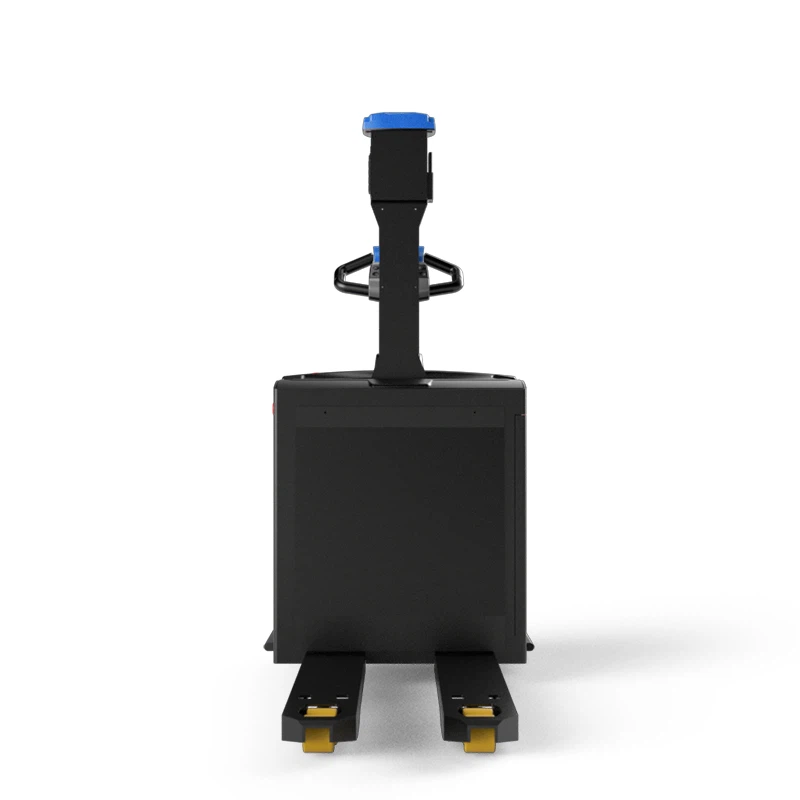
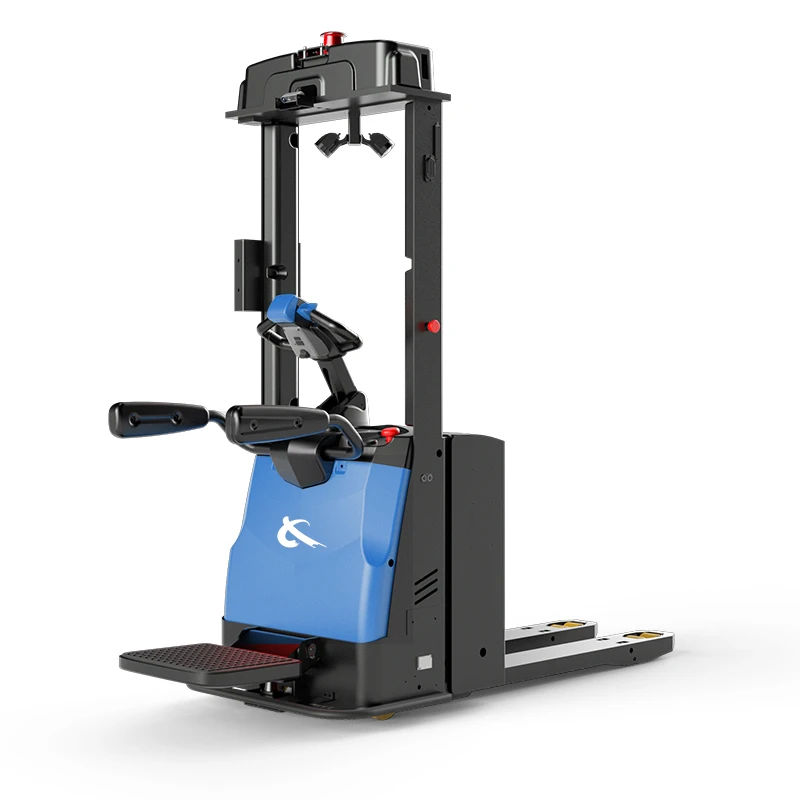
The Pedal Type Automated Guided Vehicle is a great example of a robot that uses a combination of these navigation technologies. It can follow pre - programmed routes but also adapt to changes in the environment. If there's a sudden obstacle in its path, the LiDAR sensors will detect it, and the robot will quickly calculate a new route to avoid it.
Another factor to consider is the payload capacity. In outdoor logistics, robots often need to carry heavier loads over longer distances. Our Multi - scenario Intelligent Robot is designed with a high payload capacity in mind. It can carry large and heavy items, like pallets of goods, and transport them efficiently across the outdoor logistics area.
Battery life is also a key consideration. Since outdoor operations can be more energy - intensive, our robots are equipped with high - capacity batteries. They also have smart charging systems that can optimize the charging process. For example, some robots can return to a charging station automatically when their battery levels are low. And with the latest battery technology, the charging times are getting shorter, which means less downtime for the robots.
Now, let's talk about safety. In an outdoor environment, there are more potential hazards, like pedestrians, vehicles, and wildlife. Our robots are equipped with multiple safety features. They have collision detection sensors that can detect objects in their path and stop immediately to avoid a collision. There are also warning lights and alarms that can alert people in the vicinity when the robot is approaching.
In terms of performance metrics, we look at things like speed, accuracy, and reliability. Our robots are designed to operate at a reasonable speed, depending on the environment and the task at hand. They can move quickly on open roads but slow down when approaching obstacles or navigating through tight spaces.
Accuracy is also crucial. Whether it's picking up a load from a specific location or delivering it to the right place, our robots are highly accurate. They use advanced algorithms to ensure that they're in the right position at the right time.
Reliability is something we take very seriously. We've conducted extensive testing on our robots in various outdoor conditions to make sure they can perform consistently. Our quality control processes are rigorous, and we use high - quality components to build these robots.
In conclusion, logistics robots can perform really well in outdoor logistics environments. With the right design, technology, and safety features, they can handle the challenges that the outdoors presents. If you're in the logistics business and looking to improve your outdoor operations, our robots could be a great solution for you.
If you're interested in learning more about our products or want to discuss a potential purchase, don't hesitate to reach out. We're always happy to have a chat and see how we can help you optimize your logistics processes.
References
- Industry reports on outdoor logistics automation
- Technical specifications of our logistics robots