


Hey there! I'm part of a Robots for Logistics supplier, and I'm super stoked to chat with you about how logistics robots handle the loading and unloading of trucks. It's a fascinating topic that's revolutionizing the logistics industry, and I can't wait to share all the details.
First off, let's talk about why logistics robots are such a game - changer in truck loading and unloading. Traditional methods rely on human labor, which can be slow, prone to errors, and physically demanding. Logistics robots, on the other hand, offer precision, speed, and 24/7 operation capabilities. They can work in harsh environments without getting tired, and they can be programmed to perform tasks with a high degree of accuracy.
There are different types of logistics robots that we supply, each with its own unique features and functions. For instance, the Multi - scenario Intelligent Robot is a real all - rounder. It can adapt to various scenarios in the logistics process. Whether it's moving goods around the warehouse before loading them onto the truck or unloading items from the truck and sorting them in the warehouse, this robot can handle it all. It's equipped with advanced sensors that allow it to navigate through different terrains and avoid obstacles. This means it can move freely in a busy warehouse environment, getting to the truck quickly and efficiently to start the loading or unloading process.
Another great option is the Point - to - Point Intelligent Automatic Transport Vehicle. As the name suggests, this robot is designed for direct movement between specific points. In the context of truck loading and unloading, it can be programmed to pick up goods from a particular storage area in the warehouse and transport them straight to the truck for loading. Or, when unloading, it can take the items from the truck and move them to a designated storage spot in the warehouse. This kind of direct movement reduces the time and effort involved in the process, making the whole operation much more streamlined.
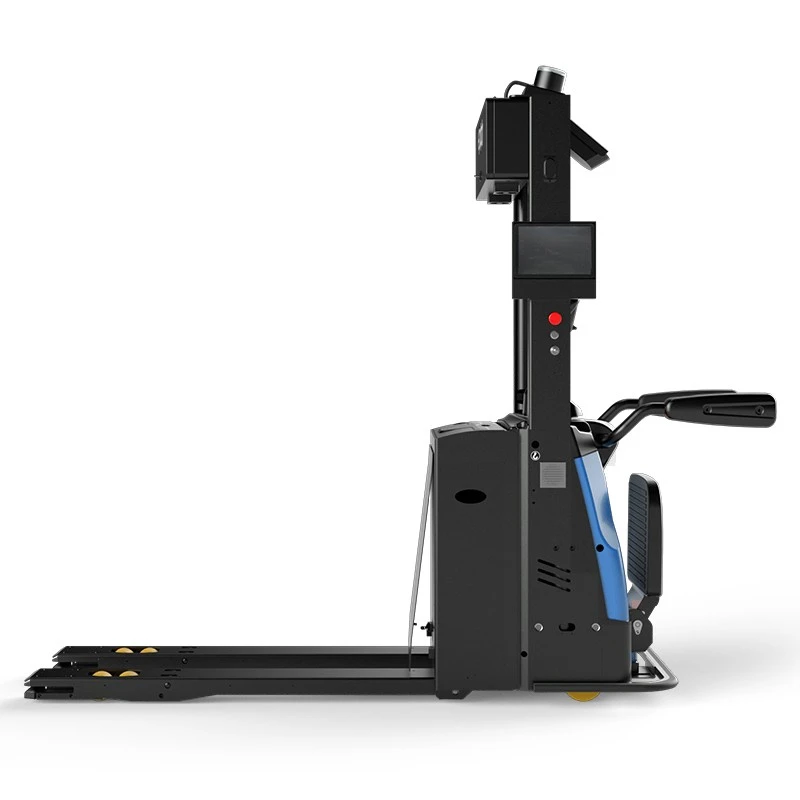

The Walk - behind Automated Transport Vehicle also has its own advantages. It's a bit more flexible in terms of human - robot interaction. An operator can walk behind it and guide it as needed, especially in situations where more manual control is required. For example, when there are oddly - shaped items that need to be loaded or unloaded from the truck, the operator can use the walk - behind feature to ensure the robot positions itself correctly and handles the items safely.
Now, let's get into the nitty - gritty of how these robots actually load and unload trucks. The process usually starts with planning. The logistics system, which is often integrated with the robots, analyzes the type, quantity, and destination of the goods. Based on this information, it creates an optimized plan for loading or unloading.
When it comes to loading, the robots first identify the goods in the warehouse. They use their sensors and imaging systems to locate the items. Once the items are found, the robots use their gripping mechanisms to pick them up. These gripping mechanisms are designed to be adjustable, so they can handle different shapes and sizes of goods. For example, if it's a small box, the robot can adjust its grip to hold it firmly without damaging it. If it's a large pallet, the robot can use a wider grip to lift it safely.
After picking up the goods, the robots move towards the truck. They follow pre - programmed routes or use real - time mapping to navigate. Once they reach the truck, they position themselves correctly. Some trucks have special docking stations or loading bays that the robots can align with. The robots then load the goods into the truck in an organized manner. They might stack the boxes in a specific order to maximize space utilization or place the pallets in the right position for easy transportation.
Unloading is a similar but reverse process. The robots first approach the truck and use their sensors to detect the goods inside. They then use their gripping mechanisms to pick up the items one by one or in groups, depending on the situation. After picking up the goods, they transport them to the designated storage areas in the warehouse.
One of the key challenges in truck loading and unloading is ensuring the safety of the goods. Our logistics robots are designed with multiple safety features. For example, they have collision - avoidance sensors. These sensors detect any obstacles in their path, whether it's another robot, a human worker, or a stationary object. If an obstacle is detected, the robot will stop immediately or change its route to avoid a collision. This not only protects the goods but also the people working in the area.
Another challenge is dealing with different types of trucks. Trucks come in various sizes and configurations, and the robots need to be able to adapt. Our robots are programmed with a wide range of truck models in their database. They can adjust their loading and unloading procedures based on the specific truck they are working with. For example, if it's a high - sided truck, the robot might need to use a longer lifting mechanism to reach the goods inside.
In addition to safety and adaptability, efficiency is also a major concern. Our robots are constantly being optimized to work faster and more efficiently. We use advanced algorithms to improve their movement speed, reduce the time it takes to pick up and place goods, and minimize the distance they travel. This means that more goods can be loaded or unloaded in a shorter period of time, which ultimately saves costs for our customers.
As you can see, logistics robots offer a lot of benefits in truck loading and unloading. They make the process faster, more accurate, and safer. If you're in the logistics industry and looking to improve your truck loading and unloading operations, we'd love to talk to you. Our team of experts can help you choose the right robots for your specific needs and provide you with all the support you need for implementation. So, don't hesitate to reach out and start a conversation about how our robots can transform your logistics processes.
References
- Logistics Automation Handbook: Covers general principles of logistics automation, including robot - based operations.
- Journal of Warehouse Robotics: Contains research on the latest advancements in robotics for warehouse and truck - related operations.