


As a supplier of smart stackers, I've seen firsthand how electromagnetic interference (EMI) can throw a real wrench in the smooth operation of these nifty machines. EMI can come from all sorts of sources, like nearby electrical equipment, radio signals, or even lightning strikes. And when it hits, it can cause all kinds of problems for your smart stacker, from glitches and malfunctions to complete system failures. So, how do I protect a smart stacker from electromagnetic interference? Well, let me share some tips and tricks that I've picked up over the years.
First off, let's talk about the basics of EMI. Electromagnetic interference is basically any unwanted electrical signal that can disrupt the normal operation of electronic devices. It can be caused by both natural and man - made sources. Natural sources include things like solar flares and lightning, while man - made sources can range from power lines and electrical motors to radio transmitters and cell phones.
One of the most effective ways to protect a smart stacker from EMI is through proper grounding. Grounding provides a path for the unwanted electrical energy to flow safely into the ground, rather than interfering with the stacker's electronics. When installing a smart stacker, make sure that all metal components are properly grounded. This includes the frame of the stacker, as well as any electrical enclosures or cabinets. A good grounding system can significantly reduce the impact of EMI.
Shielding is another important strategy. Shielding involves using conductive materials to block or absorb electromagnetic waves. For smart stackers, you can use metal enclosures to shield sensitive electronic components. These enclosures act as a Faraday cage, preventing EMI from reaching the electronics inside. When selecting shielding materials, choose ones with high conductivity, like copper or aluminum. And make sure that the shielding is properly installed, with no gaps or holes that could allow EMI to sneak through.
Filtering is also a key part of the protection plan. Filters are used to remove unwanted frequencies from electrical signals. In a smart stacker, you can install filters on power lines and signal cables. Power line filters can reduce the amount of EMI that enters the stacker through the power supply, while signal line filters can prevent interference from affecting the communication signals between different components of the stacker.
When it comes to the design of the smart stacker itself, layout matters. Keep sensitive electronic components away from sources of EMI, like motors or power supplies. Arrange the wiring in an organized way, and use twisted - pair cables for signal transmission. Twisted - pair cables are less susceptible to EMI because the twists in the cables cancel out the electromagnetic fields generated by the current flowing through them.
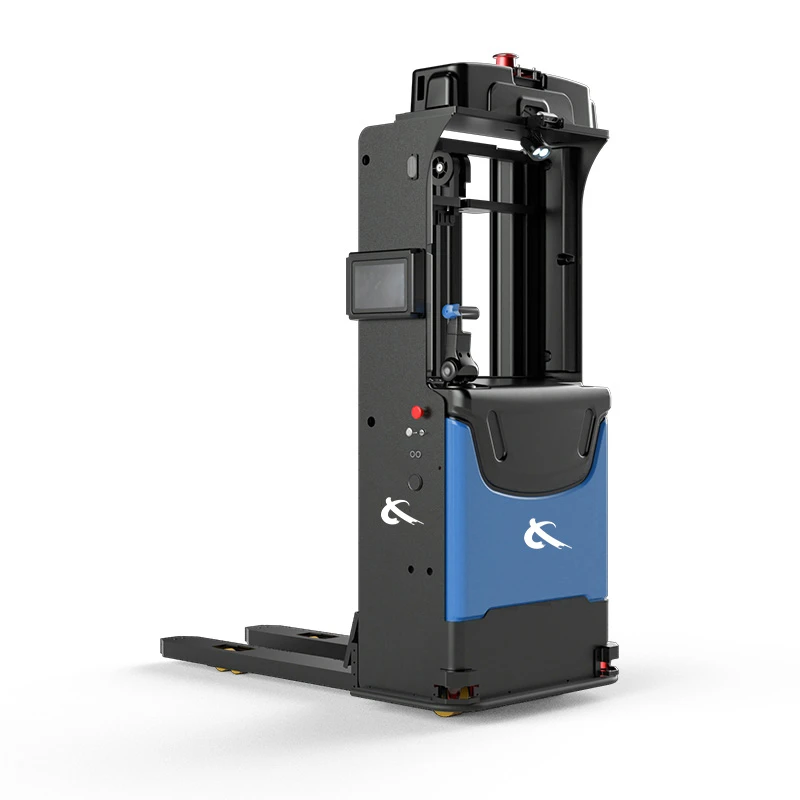
Now, let's take a look at some of the smart stackers we offer. We have the Automated Narrow Aisle Stacker, which is perfect for warehouses with limited space. This stacker is designed to operate in narrow aisles, making the most of every inch of your storage area. It's equipped with advanced electronics that are well - protected against EMI, ensuring reliable operation.
Our AGV Stacker is another great option. AGV stands for Automated Guided Vehicle, and these stackers can move around the warehouse autonomously. They use sophisticated sensors and control systems, which need to be shielded from EMI to function properly. We've taken extra care in the design of our AGV stackers to minimize the impact of electromagnetic interference.
If you need a heavy - duty solution, our Heavy Duty Stacker is the way to go. These stackers are built to handle large and heavy loads, and they're equipped with robust electronics that can withstand harsh industrial environments. We've implemented multiple layers of protection against EMI to ensure that the stacker can operate smoothly even in the presence of strong electromagnetic fields.
In addition to these physical protection measures, regular maintenance is crucial. Over time, the grounding, shielding, and filtering systems can degrade. Check the grounding connections regularly to make sure they're tight and free of corrosion. Inspect the shielding enclosures for any damage or wear, and replace them if necessary. And test the filters to ensure that they're still working effectively.
Training your staff is also important. Make sure that your employees know how to operate the smart stacker properly and are aware of the potential risks of EMI. Teach them to recognize the signs of EMI interference, such as erratic behavior of the stacker or error messages on the control panel. By having a well - informed staff, you can quickly address any EMI - related issues that may arise.
In conclusion, protecting a smart stacker from electromagnetic interference requires a multi - pronged approach. By implementing proper grounding, shielding, filtering, and layout design, and by providing regular maintenance and staff training, you can ensure that your smart stacker operates reliably and efficiently. If you're in the market for a smart stacker or need more information on how to protect your existing stacker from EMI, don't hesitate to get in touch. We're here to help you make the right choice and keep your operations running smoothly.

References
- "Electromagnetic Compatibility Engineering" by Henry W. Ott
- "Handbook of Electromagnetic Compatibility" edited by Clayton R. Paul