


Maintaining a smart stacker is crucial for ensuring its long - term performance, reliability, and safety. As a smart stacker supplier, I have extensive experience in understanding the ins and outs of these machines. In this blog, I'll share some essential tips on how to maintain a smart stacker effectively.
Regular Inspections
One of the fundamental aspects of smart stacker maintenance is regular inspections. These inspections should be carried out on a daily, weekly, and monthly basis.
Daily Inspections
At the start of each working day, operators should conduct a quick visual inspection of the smart stacker. Check for any visible signs of damage, such as cracks in the mast, bent forks, or loose parts. Inspect the tires for wear and tear, and ensure that they are properly inflated. Also, examine the battery (if it's an electric stacker) to make sure it has sufficient charge and that the connections are secure. Look for any leaks, including hydraulic fluid leaks, which could indicate a problem with the lifting mechanism.
Weekly Inspections
On a weekly basis, a more in - depth inspection is required. Check the hydraulic system for proper operation. Look at the hydraulic hoses for any signs of wear, such as bulges or cracks. Inspect the forks for proper alignment and any signs of excessive wear. Test the safety features of the stacker, such as the emergency stop button, horn, and load backrest. Verify that the control panel is functioning correctly, and all the indicators are working as they should.
Monthly Inspections
Monthly inspections involve a comprehensive check of the smart stacker. Inspect the mast for its structural integrity. Check the chain and pulley system for proper tension and any signs of wear. Examine the electrical components, including wiring, switches, and motors. Clean or replace the air filters to ensure proper ventilation for the motors. Also, lubricate all the moving parts according to the manufacturer's recommendations.
Lubrication
Proper lubrication is essential for the smooth operation of a smart stacker. Different parts of the stacker require different types of lubricants. For example, the mast's moving parts, such as the rollers and guides, need a high - quality grease to reduce friction and prevent wear. The chain and pulley system should be lubricated regularly with a suitable chain lubricant.
It's important to follow the manufacturer's guidelines regarding the type and frequency of lubrication. Over - lubrication can be just as harmful as under - lubrication. Excess lubricant can attract dirt and debris, which can cause damage to the parts. Under - lubrication, on the other hand, can lead to increased friction, heat, and premature wear of the components.
Battery Maintenance (for Electric Stackers)
If your smart stacker is electric, battery maintenance is a critical part of the overall maintenance process. Charge the battery according to the manufacturer's instructions. Avoid over - charging or deep - discharging the battery, as both can significantly reduce its lifespan.
Regularly clean the battery terminals to prevent corrosion. Check the water level in the battery (if it's a flooded lead - acid battery) and top it up with distilled water if necessary. Inspect the battery charger for any signs of damage or malfunction. A properly maintained battery will ensure that the stacker operates at its optimal performance and has a longer service life.
Training for Operators
Well - trained operators are an important part of smart stacker maintenance. Operators should be educated on the proper operation of the stacker, including how to handle loads safely, how to park the stacker correctly, and how to perform basic daily inspections.
They should also be aware of the warning signs that indicate a problem with the stacker. For example, unusual noises, vibrations, or changes in the stacker's performance could be signs of a mechanical or electrical issue. By detecting these problems early, operators can prevent more serious damage from occurring.

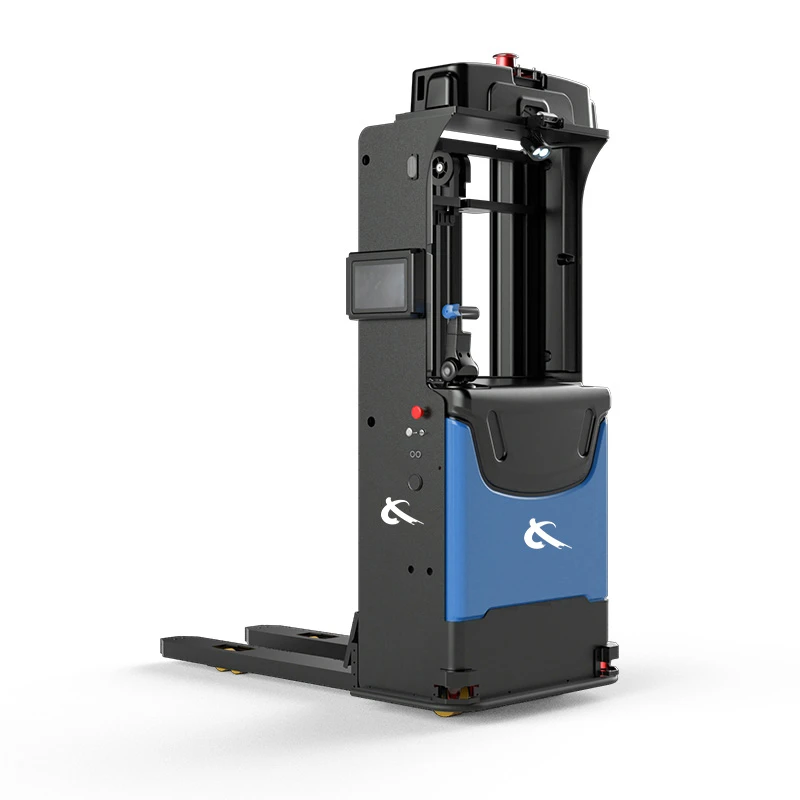
Keeping Records
Maintaining detailed records of all maintenance activities is highly beneficial. Keep a log of all the inspections, lubrication, battery charging, and any repairs or replacements that have been done. These records can help you track the history of the stacker's maintenance, identify any recurring problems, and plan for future maintenance and replacement of parts.
Types of Smart Stackers and Their Specific Maintenance Needs
There are different types of smart stackers, each with its own unique features and maintenance requirements.
Heavy Duty Stacker
The Heavy Duty Stacker is designed to handle large and heavy loads. Due to the high - stress nature of its operation, it requires more frequent inspections of its structural components. The mast and the forks need to be inspected more closely for signs of fatigue and wear. The hydraulic system of a heavy - duty stacker also needs to be monitored regularly, as it has to handle higher pressures.
AGV Stacker
An AGV Stacker is an automated guided vehicle stacker. In addition to the regular mechanical maintenance, its navigation and control systems need special attention. Check the sensors regularly to ensure they are clean and functioning correctly. The software that controls the AGV stacker should be updated regularly to improve its performance and reliability.
Automated Narrow Aisle Stacker
The Automated Narrow Aisle Stacker is designed for use in narrow aisles. Its compact design and high - precision operation require careful maintenance of the steering and positioning systems. Inspect the wheels and the steering mechanism for any signs of misalignment or wear. The control system that allows the stacker to operate in narrow spaces should be tested regularly to ensure accurate positioning.
Importance of Professional Maintenance
While operators can perform basic daily and weekly inspections, it's also important to have professional maintenance done at regular intervals. Professional technicians have the expertise and specialized tools to diagnose and repair complex problems. They can also perform more in - depth inspections and maintenance tasks that are beyond the scope of the operators.
Contact for Procurement and Maintenance Services
Maintaining a smart stacker is a multi - faceted process that requires attention to detail, regular inspections, proper lubrication, and well - trained operators. If you are in the market for a new smart stacker or need professional maintenance services for your existing stacker, feel free to reach out to us. We are committed to providing high - quality smart stackers and comprehensive maintenance solutions to meet your needs.
References
- Manufacturer's manuals for smart stackers
- Industry standards for material handling equipment maintenance
- Technical articles on smart stacker technology and maintenance