


As a provider of electric tractors, I've witnessed firsthand the remarkable evolution of these vehicles, especially in terms of their steering systems. In this blog, I'll delve into how electric tractors' steering systems work, shedding light on the technology behind these efficient and reliable machines.

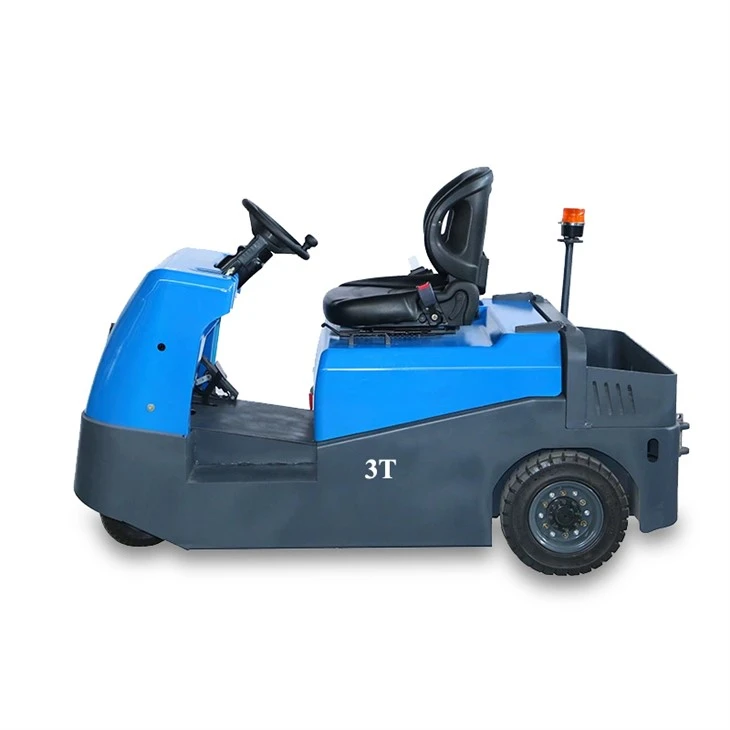
Basic Components of Electric Tractor Steering Systems
Before we explore the working principles, it's essential to understand the key components of an electric tractor's steering system. These typically include the steering wheel, steering column, steering gearbox, tie - rods, and steering knuckles.
The steering wheel is the primary interface through which the operator controls the direction of the tractor. When the operator turns the steering wheel, the motion is transferred through the steering column to the steering gearbox. The steering gearbox is a crucial component that amplifies the relatively small force applied by the operator at the steering wheel into a larger force capable of turning the wheels.
Tie - rods connect the steering gearbox to the steering knuckles. They transmit the motion from the gearbox to the wheels, allowing them to turn. The steering knuckles are part of the wheel assembly and are responsible for holding the wheels in place and enabling them to pivot when the steering system is activated.
Power Steering in Electric Tractors
Most modern electric tractors are equipped with power steering systems. Power steering significantly reduces the effort required by the operator to turn the wheels, especially when the tractor is stationary or moving at low speeds. There are two main types of power steering systems commonly used in electric tractors: hydraulic power steering and electric power steering.
Hydraulic Power Steering
Hydraulic power steering systems use hydraulic fluid to assist in the steering process. The system consists of a hydraulic pump, a control valve, and a power cylinder. The hydraulic pump, driven by the tractor's electric motor, pressurizes the hydraulic fluid. When the operator turns the steering wheel, the control valve directs the pressurized fluid to either side of the power cylinder.
The power cylinder is connected to the steering gearbox or the tie - rods. The pressurized fluid in the cylinder creates a force that helps move the steering components, making it easier for the operator to turn the wheels. One of the advantages of hydraulic power steering is its high power output, which makes it suitable for larger electric tractors that need to handle heavy loads. For example, our 20 Ton Car Type Tractor often utilizes hydraulic power steering to ensure smooth and effortless steering even when towing substantial weights.
Electric Power Steering
Electric power steering (EPS) is becoming increasingly popular in electric tractors. Instead of using hydraulic fluid, EPS systems rely on an electric motor to provide steering assistance. The system uses sensors to detect the position and movement of the steering wheel. Based on this information, the control unit calculates the amount of assistance required and activates the electric motor accordingly.
EPS systems offer several benefits. They are more energy - efficient than hydraulic power steering systems because the electric motor only consumes power when steering assistance is needed. This can lead to longer battery life for the electric tractor. Additionally, EPS systems are more compact and lighter, which can improve the overall efficiency and maneuverability of the tractor. Our 3 Ton Car Type Electric Tractor is a great example of a vehicle that benefits from the advantages of electric power steering.
Working Principles of Electric Tractor Steering Systems
Let's take a closer look at how these steering systems work in practice. When the operator turns the steering wheel, the steering column rotates, transmitting the motion to the steering gearbox. In a manual steering system, the gearbox converts the rotational motion of the steering column into a linear motion that is transferred to the tie - rods. The tie - rods then move the steering knuckles, causing the wheels to turn.
In a power - assisted steering system, the process is more complex. In a hydraulic power steering system, as mentioned earlier, the hydraulic pump pressurizes the fluid. When the steering wheel is turned, the control valve directs the pressurized fluid to the appropriate side of the power cylinder. The force generated by the fluid in the cylinder adds to the force applied by the operator at the steering wheel, making it easier to turn the wheels.
In an electric power steering system, the sensors on the steering column detect the direction and speed of the steering wheel rotation. The control unit processes this information and sends a signal to the electric motor. The motor then provides the necessary assistance by applying a torque to the steering mechanism. The amount of assistance is adjusted based on factors such as the speed of the tractor. At low speeds, more assistance is provided to make it easier to turn the wheels, while at high speeds, less assistance is given to provide better steering feel and stability.
Stability and Steering
Steering plays a crucial role in the stability of electric tractors. A well - designed steering system ensures that the tractor can maintain its course and handle various driving conditions safely. For example, our 15 Ton Electric Tractor Stability is carefully engineered to provide optimal steering performance.
When a tractor is turning, the steering system must distribute the forces evenly across the wheels to prevent skidding or loss of control. The steering geometry, including the camber, caster, and toe - in of the wheels, is designed to ensure proper tire contact with the ground and stable handling. Additionally, modern steering systems are often integrated with other safety features such as electronic stability control (ESC). ESC can detect when the tractor is starting to lose stability, such as during a sharp turn or on a slippery surface, and automatically adjust the steering and braking to help the operator regain control.
Maintenance of Electric Tractor Steering Systems
Proper maintenance of the steering system is essential to ensure its reliable operation. For hydraulic power steering systems, regular checks of the hydraulic fluid level and quality are necessary. The fluid should be changed at the recommended intervals to prevent contamination and ensure smooth operation of the hydraulic components.
In electric power steering systems, the electrical components such as the sensors, control unit, and electric motor need to be inspected regularly. Loose connections, damaged wires, or faulty sensors can lead to steering problems. It's also important to keep the steering components clean and lubricated to reduce wear and tear.
Conclusion
The steering systems of electric tractors are a complex yet essential part of these vehicles. Whether it's a hydraulic power steering system for heavy - duty applications or an electric power steering system for energy - efficient and compact tractors, understanding how these systems work is crucial for operators and maintenance personnel.
At our company, we are committed to providing high - quality electric tractors with reliable steering systems. Our range of electric tractors, from the 3 Ton Car Type Electric Tractor to the 20 Ton Car Type Tractor, is designed to meet the diverse needs of our customers. If you're in the market for an electric tractor or have any questions about our products, we encourage you to reach out to us for a procurement discussion. We look forward to helping you find the perfect electric tractor for your requirements.
References
- Automotive Steering Systems: Principles, Design, and Optimization.
- Electric Vehicle Technology Explained.
- Tractor Design and Engineering Handbook.