


Forklifts are indispensable tools in various workplaces, from warehouses and manufacturing plants to construction sites. As a forklift supplier, I understand the importance of adhering to regulations to ensure the safety and efficiency of forklift operations. In this blog post, I will delve into the key regulations regarding forklift use in the workplace.
Operator Training and Certification
One of the fundamental regulations governing forklift use is the requirement for proper operator training and certification. According to the Occupational Safety and Health Administration (OSHA) in the United States, employers must ensure that all forklift operators are trained and certified before they are allowed to operate the equipment. The training program should cover both classroom instruction and practical hands - on training.
Classroom training typically includes topics such as forklift controls, safety procedures, load handling, and workplace hazards. Practical training, on the other hand, involves actual operation of the forklift under the supervision of a qualified instructor. Once an operator has completed the training program, they must pass a written exam and a practical skills test to obtain certification.
Certification is not a one - time event. Operators should receive refresher training at least once every three years, or more frequently if there are changes in the workplace, equipment, or operating procedures. As a forklift supplier, I always recommend to my clients that they invest in high - quality training programs for their operators. A well - trained operator is not only safer but also more productive, which can lead to significant cost savings in the long run.
Equipment Inspection and Maintenance
Another crucial aspect of forklift regulations is equipment inspection and maintenance. Forklifts should be inspected before each shift to ensure that they are in safe working condition. The pre - shift inspection should include checks of the brakes, steering, lights, horn, tires, and hydraulic systems. Any defects or malfunctions should be reported immediately, and the forklift should not be used until the issues are resolved.
Regular maintenance is also essential to keep forklifts in optimal condition. This includes scheduled servicing, lubrication, and replacement of worn - out parts. Employers should establish a maintenance schedule and keep detailed records of all inspections and maintenance activities. As a supplier, I offer maintenance packages for the forklifts I sell. These packages are designed to ensure that the equipment remains in compliance with regulations and operates safely and efficiently.
Workplace Safety and Hazard Mitigation
Forklift operations can pose significant hazards in the workplace, such as collisions, falls, and crush injuries. To mitigate these risks, workplaces must implement safety measures and follow specific regulations.
First, workplaces should have clearly marked traffic lanes for forklifts and pedestrians. Forklift operators should be trained to yield to pedestrians and to use caution when operating in areas with high foot traffic. Additionally, speed limits should be established and enforced to prevent collisions.
Second, proper load handling procedures must be followed. Forklifts are designed to carry specific loads within their rated capacity. Overloading a forklift can lead to instability and increase the risk of tipping over. Operators should also ensure that loads are properly balanced and secured before moving.
Third, workplaces should have adequate lighting and ventilation in areas where forklifts are operated. Poor lighting can make it difficult for operators to see obstacles, while inadequate ventilation can lead to the accumulation of harmful fumes, especially in the case of internal combustion forklifts.

Licensing and Permits
In some regions, there may be specific licensing and permit requirements for forklift use. For example, in certain cities or states, forklift operators may need to obtain a special license in addition to their OSHA - required certification. Workplaces may also need to obtain permits for operating forklifts in public areas or in specific types of facilities.
As a forklift supplier, I work closely with my clients to ensure that they are aware of and comply with all local licensing and permit requirements. This helps to avoid any legal issues and ensures that the forklifts can be used without interruption.
Special Considerations for Different Types of Forklifts
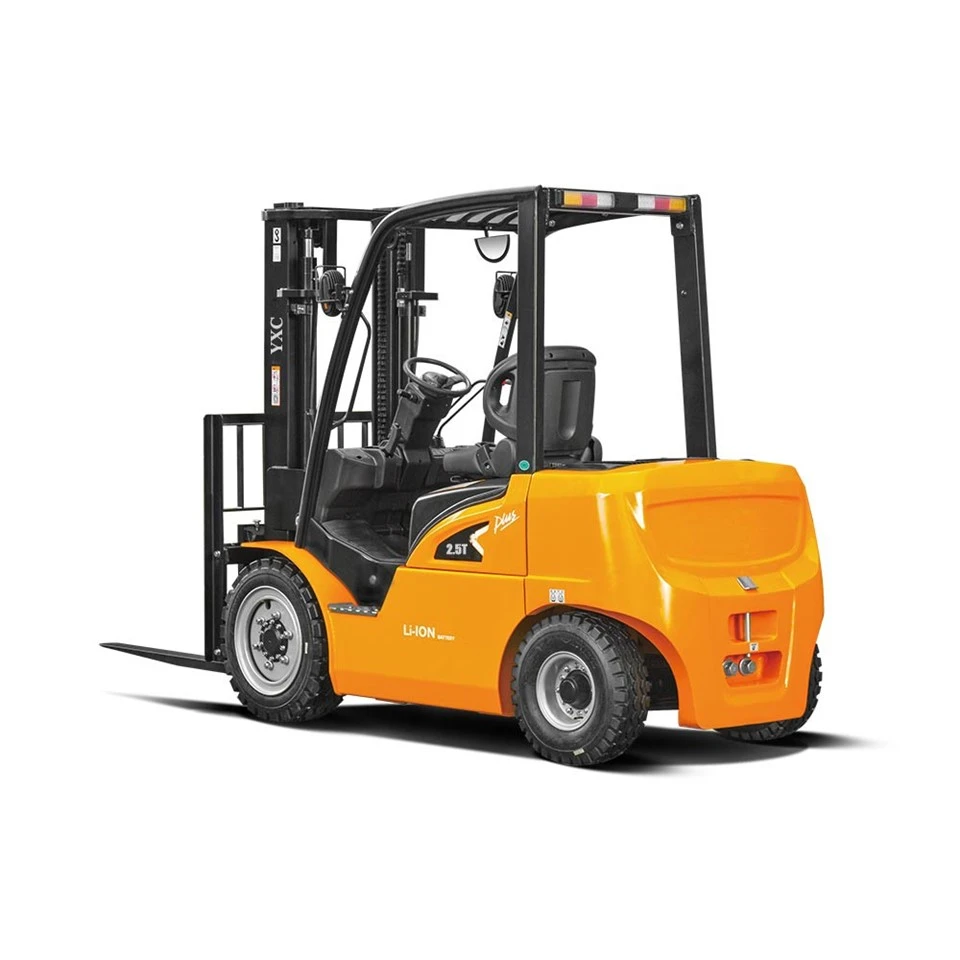
There are various types of forklifts available, including electric forklifts, internal combustion forklifts, and Battery Forklift Lithium. Each type has its own unique characteristics and regulations.
Electric forklifts are popular in indoor environments due to their low emissions and quiet operation. However, they require proper battery charging and maintenance. Employers should ensure that charging areas are well - ventilated and that operators are trained on how to safely charge and handle the batteries.
Internal combustion forklifts, on the other hand, are commonly used in outdoor settings. They are powered by gasoline, diesel, or propane. These forklifts require regular maintenance of the engine and exhaust systems to ensure that they meet emission standards. Operators should also be trained on how to handle fuel safely to prevent fires and explosions.
Battery Forklift Lithium offers several advantages, such as longer run times and faster charging. However, they also require specific handling and maintenance procedures. For example, lithium batteries should be charged using a compatible charger, and overcharging should be avoided to prevent damage to the battery.
The Role of the Supplier in Ensuring Compliance
As a forklift supplier, I play a crucial role in helping my clients comply with regulations. When selling a forklift, I provide detailed information about the equipment's features, capabilities, and safety requirements. I also offer training programs and maintenance services to ensure that the forklifts are used and maintained correctly.
I stay up - to - date with the latest regulations and industry standards, and I share this information with my clients. By working closely with my clients, I can help them make informed decisions about the type of forklift that best suits their needs and ensure that they are in full compliance with all relevant regulations.
Contact for Procurement and Consultation
If you are in the market for a forklift or need more information about forklift regulations, I invite you to reach out to me. I am committed to providing high - quality forklifts and comprehensive support services to help you meet your workplace needs safely and efficiently. Whether you are a small business or a large corporation, I can assist you in finding the right forklift solution and ensuring that you are in compliance with all regulations.
References
- Occupational Safety and Health Administration (OSHA). "Powered Industrial Trucks Standard (29 CFR 1910.178)."
- American National Standards Institute (ANSI). "Safety Standard for Low - Lift and High - Lift Trucks (ANSI/ITSDF B56.1)."
- National Fire Protection Association (NFPA). "Flammable and Combustible Liquids Code (NFPA 30)."