


Automated Guided Vehicles (AGVs) have emerged as a revolutionary solution in the realm of material handling, offering efficiency, precision, and flexibility in various industrial settings. As an AGV supplier, we understand the critical role that AGVs play in modern logistics and manufacturing operations. One of the key challenges that industries face is handling different types of loads effectively. In this blog, we will explore how AGVs are designed and equipped to handle a wide range of loads, ensuring seamless operations and maximum productivity.
Understanding the Diversity of Loads
Before delving into how AGVs handle different loads, it's essential to understand the various types of loads that they encounter in industrial environments. Loads can vary significantly in terms of size, weight, shape, and fragility. Some common types of loads include pallets, drums, containers, and individual items. Each type of load presents unique challenges and requires specific handling techniques.
Pallets are one of the most common types of loads in warehouses and distribution centers. They come in various sizes and configurations, and can carry a wide range of products. Handling pallets efficiently is crucial for optimizing storage space and streamlining the movement of goods.
Drums are often used to store and transport liquids, chemicals, and other materials. They are typically heavy and require special handling equipment to ensure safe and secure transportation.
Containers are used for shipping and storing a variety of products, from consumer goods to industrial equipment. They come in different sizes and can be stacked to maximize storage space.
Individual items, such as boxes, cartons, and parts, also need to be handled efficiently. These loads can vary in size and weight, and may require different picking and sorting methods.
AGV Design and Load Handling Capabilities
AGVs are designed with a range of features and capabilities to handle different types of loads. The design of an AGV depends on several factors, including the type of load, the operating environment, and the specific requirements of the application.
One of the key features of AGVs is their load handling mechanism. There are several types of load handling mechanisms available, including forks, conveyors, lifts, and grippers. Each type of mechanism is designed to handle specific types of loads and has its own advantages and limitations.
Forks are the most common load handling mechanism used in AGVs. They are similar to the forks on a forklift and are used to lift and transport pallets. Forks can be adjusted to accommodate different pallet sizes and can be equipped with sensors to ensure accurate positioning.
Conveyors are another popular load handling mechanism. They are used to transport loads along a fixed path and can be integrated with other equipment, such as sorting systems and packaging machines. Conveyors can handle a wide range of loads, including boxes, cartons, and individual items.
Lifts are used to raise and lower loads to different heights. They are commonly used in applications where loads need to be stacked or stored on shelves. Lifts can be hydraulic, electric, or pneumatic, depending on the specific requirements of the application.
Grippers are used to hold and manipulate loads. They are typically used for handling irregularly shaped or fragile loads, such as bottles, cans, and electronic components. Grippers can be designed to provide a secure grip on the load without damaging it.
In addition to the load handling mechanism, AGVs are also equipped with a range of sensors and control systems to ensure safe and efficient operation. These sensors can detect obstacles, measure the weight and position of the load, and communicate with other equipment in the system.
Handling Different Load Sizes and Weights
One of the challenges of handling different types of loads is dealing with variations in size and weight. AGVs are designed to handle a wide range of load sizes and weights, but it's important to select the right AGV for the specific application.
When handling heavy loads, AGVs need to be equipped with powerful motors and robust load handling mechanisms. They also need to have a stable base and a high payload capacity to ensure safe and efficient operation.
For handling light loads, AGVs can be designed with smaller motors and more lightweight load handling mechanisms. This can help to reduce energy consumption and increase the speed and agility of the AGV.
In addition to the size and weight of the load, the distribution of the weight also needs to be considered. AGVs need to be designed to handle loads that are evenly distributed to prevent tipping and ensure stable operation.
Handling Fragile and Irregularly Shaped Loads
Handling fragile and irregularly shaped loads requires special care and attention. AGVs can be equipped with sensors and control systems to ensure gentle handling of these types of loads.
For handling fragile loads, AGVs can be designed with soft grippers or cushions to prevent damage. They can also be equipped with sensors to detect the position and orientation of the load and adjust the handling mechanism accordingly.
Handling irregularly shaped loads can be more challenging. AGVs can be equipped with flexible load handling mechanisms, such as adjustable forks or multi-axis grippers, to accommodate different shapes and sizes. They can also be programmed to follow complex paths and maneuvers to avoid collisions and ensure accurate positioning.
Integration with Other Equipment
AGVs are often used in conjunction with other equipment, such as conveyor systems, sorting machines, and storage racks. Integration with other equipment is essential for ensuring seamless operation and maximum productivity.
AGVs can be integrated with conveyor systems to transfer loads between different areas of the facility. They can be programmed to pick up loads from the conveyor and transport them to the desired location.
Sorting machines can be used to sort loads based on size, weight, or other criteria. AGVs can be integrated with sorting machines to transport the sorted loads to the appropriate storage or shipping area.
Storage racks can be used to store loads in a compact and organized manner. AGVs can be programmed to access the storage racks and retrieve or store loads as needed.
Safety Considerations
Safety is a top priority when using AGVs to handle different types of loads. AGVs are equipped with a range of safety features to ensure the protection of operators, equipment, and products.
One of the key safety features of AGVs is their collision avoidance system. AGVs are equipped with sensors, such as lasers and cameras, to detect obstacles in their path. If an obstacle is detected, the AGV will automatically stop or change its path to avoid a collision.
AGVs are also equipped with emergency stop buttons and safety barriers to provide additional protection. These features can be used to quickly stop the AGV in case of an emergency.
In addition to the safety features of the AGV itself, it's important to follow proper safety procedures when operating AGVs. Operators should be trained on how to use the AGV safely and should follow all safety guidelines and regulations.
Contact Us for AGV Solutions
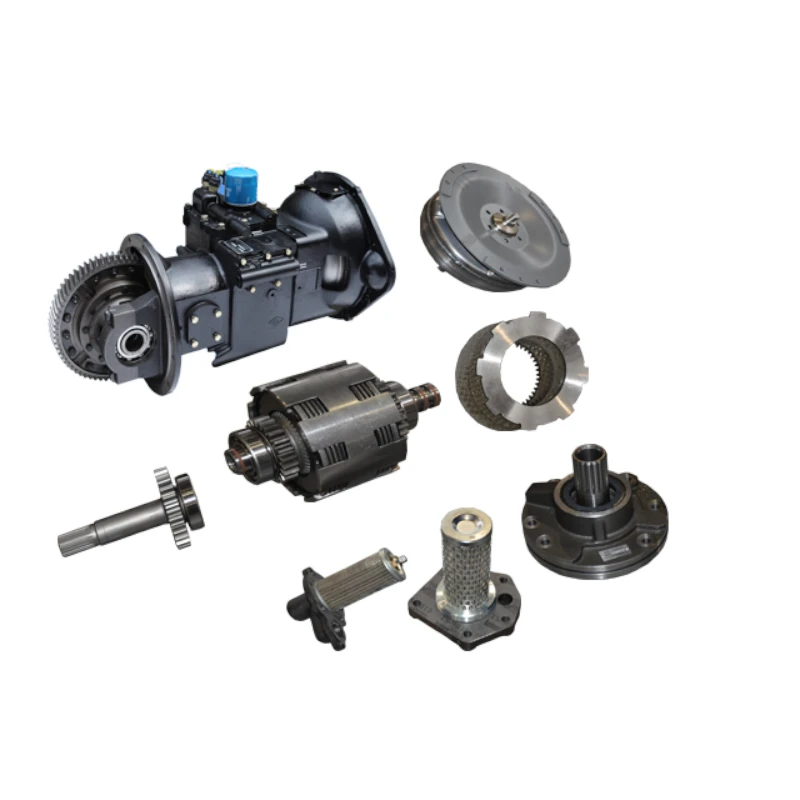
As an AGV supplier, we have extensive experience in designing and implementing AGV solutions for a wide range of industries. We offer a comprehensive range of AGVs, including those equipped with Walking Pallet Stacker, Gear Reduction Gearbox, and Walkie Counterbalanced Stacker capabilities. Our AGVs are designed to handle different types of loads efficiently and safely, and can be customized to meet the specific requirements of your application.
If you are interested in learning more about our AGV solutions or would like to discuss your specific needs, please contact us. Our team of experts will be happy to assist you in finding the right AGV solution for your business.

References
- Material Handling Handbook, 5th Edition
- Automated Guided Vehicle Systems: Technology, Implementation, and Management
- Industrial Robotics: Theory, Modelling, and Control