


Solid tires have gained significant popularity in various industries due to their durability, puncture resistance, and low maintenance requirements. As a solid tire supplier, I often encounter questions from customers regarding the compatibility of solid tires with different rims. One of the most common inquiries is whether solid tires require special rims. In this blog post, I will delve into this topic, providing scientific and practical insights to help you understand the relationship between solid tires and rims.
Understanding Solid Tires
Solid tires are made from solid rubber compounds, unlike pneumatic tires that are filled with air. This construction gives solid tires several advantages, such as eliminating the risk of flats, providing better stability, and reducing downtime. They are commonly used in applications where punctures are a frequent issue, such as forklifts, industrial vehicles, and construction equipment.
Rim Requirements for Solid Tires
The short answer to the question “Do solid tires require special rims?” is not always. In many cases, solid tires can be mounted on standard rims designed for pneumatic tires, provided that the rims meet certain specifications. However, there are situations where special rims may be necessary.
Compatibility with Standard Rims
Most solid tires are designed to be compatible with standard rims as long as the rim size, width, and bead seat diameter match the tire's specifications. The bead seat diameter is particularly important as it ensures a proper fit between the tire and the rim. When the bead seat diameter is correct, the tire will seat securely on the rim, preventing it from slipping or coming loose during operation.
For example, if you have a forklift that originally came with pneumatic tires and you want to switch to solid tires, you can often use the existing rims if they are in good condition and meet the tire manufacturer's requirements. This can save you the cost of purchasing new rims and simplify the installation process.
However, it's essential to note that not all standard rims are suitable for solid tires. Some rims may have design features or dimensions that are not compatible with solid tires, such as a narrow width or a non - standard bead seat shape. In such cases, using an incompatible rim can lead to improper tire installation, reduced performance, and even safety hazards.
Situations Requiring Special Rims
There are several scenarios where special rims may be required for solid tires:
-
High - Load Applications: In applications where the vehicle is subjected to heavy loads or extreme operating conditions, special rims may be necessary to provide additional strength and support. These rims are typically made from thicker materials and have a more robust design to withstand the increased stress. For example, in large construction equipment or industrial vehicles used in mining operations, special rims can help prevent rim deformation and ensure the long - term reliability of the tire - rim assembly.
-
Unique Tire Designs: Some solid tires have unique designs or features that require special rims for proper installation. Tires with Raised Rim Protector are a good example. These tires are designed with a raised lip around the rim to protect it from damage. To accommodate this design, special rims may be used to ensure a proper fit and alignment of the tire.
-
Specific Industry Requirements: Certain industries have specific requirements for tire and rim combinations. For instance, in the food and beverage industry, where hygiene is a top priority, special rims may be used to ensure easy cleaning and prevent the accumulation of dirt and debris. Similarly, in the electric vehicle industry, Best Low Rolling Resistance Tires for Electric Cars may require special rims to optimize performance and energy efficiency.
Factors to Consider When Choosing Rims for Solid Tires
When selecting rims for solid tires, there are several factors to consider:
-
Rim Size and Width: The rim size and width must match the tire's specifications. Using a rim that is too narrow or too wide can affect the tire's performance, handling, and durability. For example, a rim that is too narrow may cause the tire to bulge, increasing the risk of sidewall damage.
-
Rim Material: The material of the rim can impact its strength, weight, and corrosion resistance. Common rim materials include steel and aluminum. Steel rims are generally more durable and can withstand heavy loads, while aluminum rims are lighter and offer better heat dissipation.
-
Bead Seat Design: The bead seat design should be compatible with the tire's bead structure. A proper bead seat ensures a secure fit between the tire and the rim, preventing air leakage (in the case of tubeless solid tires) and maintaining tire stability.
-
Load Rating: The load rating of the rim must be sufficient to support the weight of the vehicle and its load. Using a rim with a lower load rating than required can lead to rim failure and pose a safety risk.
Installation and Maintenance
Proper installation and maintenance of solid tires and rims are crucial for ensuring optimal performance and safety. When installing solid tires on rims, it's important to follow the manufacturer's instructions carefully. This may include using the correct tools, lubricating the bead area, and applying the appropriate torque to the rim bolts.
Regular maintenance of the rims is also essential. Inspect the rims for signs of damage, such as cracks, dents, or corrosion, and replace them if necessary. Keep the rims clean to prevent the buildup of dirt and debris, which can affect the tire - rim interface.
Light - Duty Tires and Rim Considerations
Light - duty Tires are often used in applications where the load requirements are relatively low, such as small electric vehicles or hand - operated equipment. These tires may have different rim requirements compared to heavy - duty solid tires.
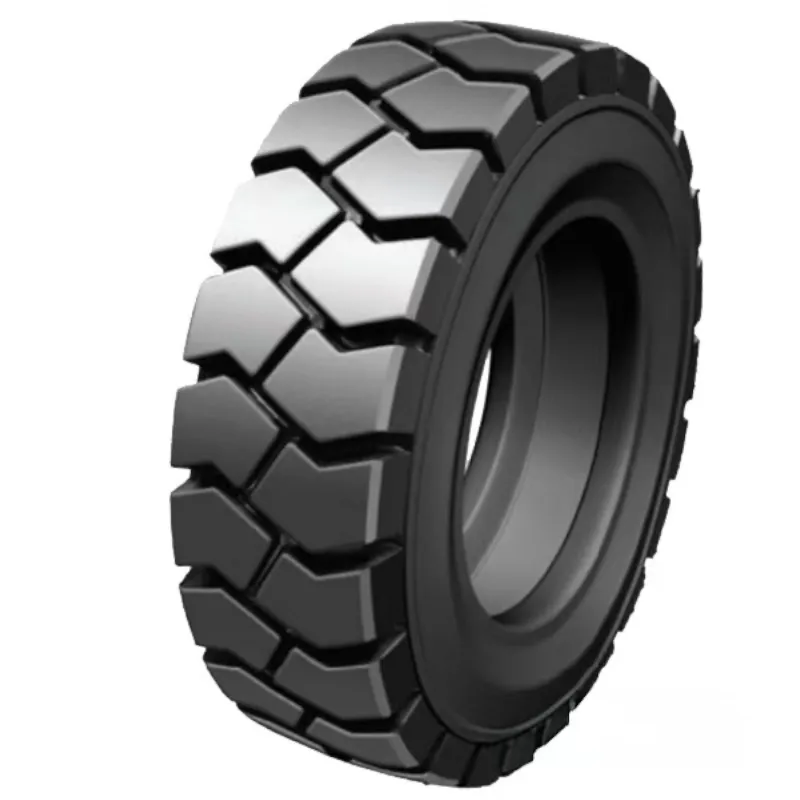

For light - duty tires, standard rims are usually sufficient in most cases. However, it's still important to ensure that the rim size, width, and load rating are appropriate for the tire. Additionally, light - duty tires may be more sensitive to improper rim installation, so extra care should be taken during the installation process.
Conclusion
In conclusion, while solid tires can often be used with standard rims, there are situations where special rims may be required. Factors such as high - load applications, unique tire designs, and specific industry requirements can influence the need for special rims. As a solid tire supplier, I recommend that you carefully consider the rim requirements for your specific application and consult with a professional if you have any doubts.
If you are in the market for solid tires or need advice on rim selection, I encourage you to reach out to us. Our team of experts can provide you with detailed information and help you choose the right solid tires and rims for your needs. Whether you are looking for high - performance solid tires for industrial vehicles or light - duty tires for small equipment, we have a wide range of products to meet your requirements. Contact us today to start a conversation about your solid tire procurement.
References
- Tire and Rim Association Standards
- Manufacturer's technical documentation for solid tires and rims