


Hey there! As a solid tires supplier, I've been getting a lot of questions lately about whether solid tires have better shock absorption in some cases. So, I thought I'd take a deep - dive into this topic and share my insights with you all.
First off, let's understand what solid tires are. Solid tires are made of a single piece of rubber or a combination of rubber compounds, unlike pneumatic tires which are filled with air. They're known for their durability, resistance to punctures, and long - lasting performance. You'll often see them on forklifts, industrial equipment, and some small vehicles.
Now, shock absorption is all about how well a tire can absorb the impact when it hits bumps, potholes, or uneven surfaces. This is super important because it affects the comfort of the ride, the safety of the vehicle and its load, and the overall lifespan of the equipment.
Shock Absorption in Different Scenarios
Industrial Environments
In industrial settings, solid tires can sometimes have an edge when it comes to shock absorption. Take a forklift in a warehouse, for example. The floors might have small bumps, ridges, or debris. Solid tires, especially the ones designed for industrial use like the Tires with Raised Rim Protector, are built to handle these conditions.
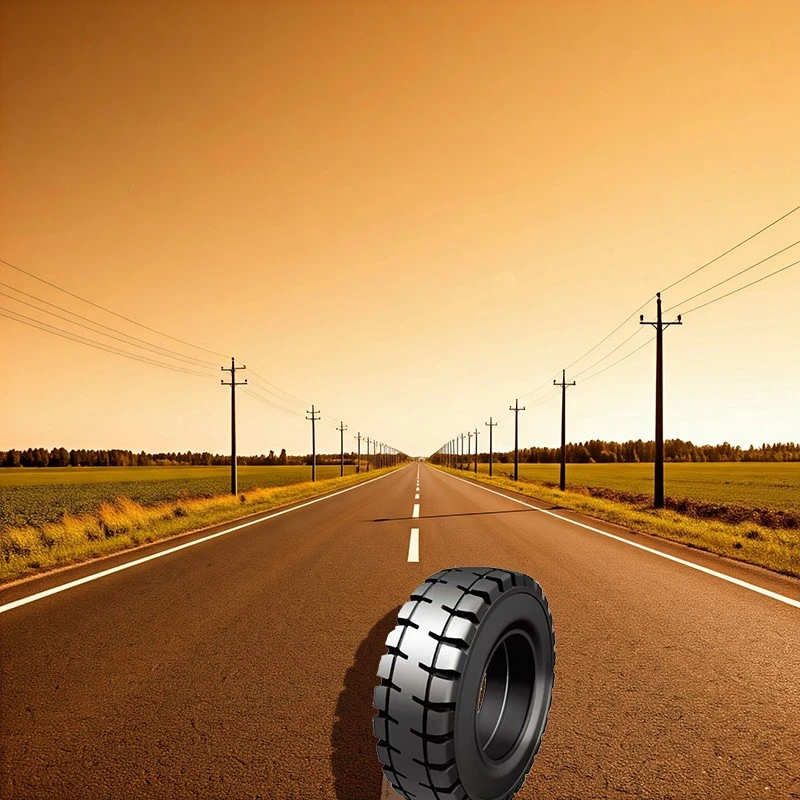
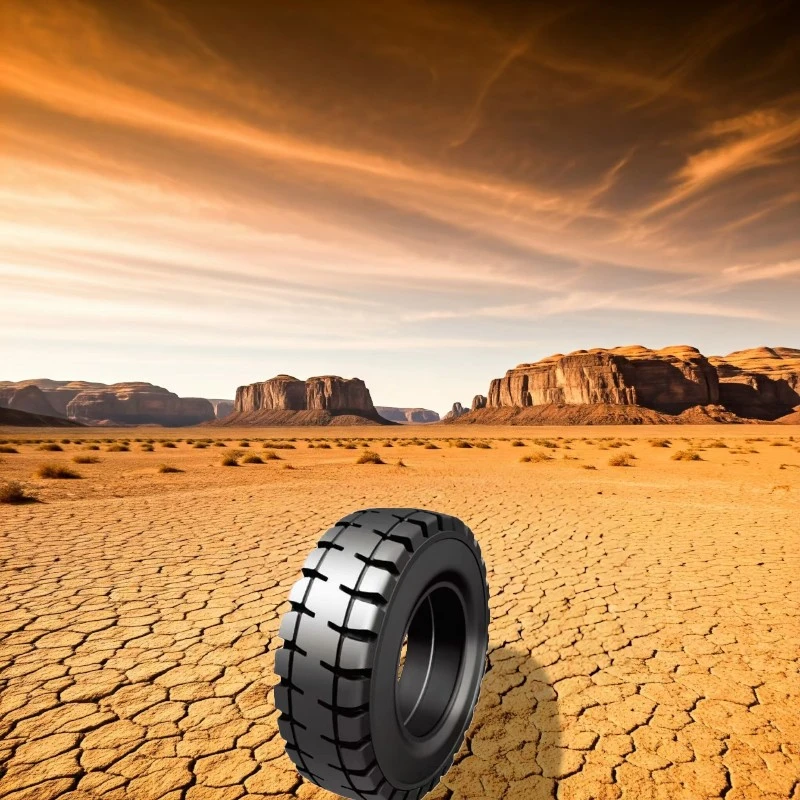
The solid construction of these tires means they don't deflate or lose pressure due to punctures. This consistent structure can provide a stable platform that distributes the shock evenly across the tire's surface. When a forklift hits a small obstacle, the solid tire can absorb the impact and prevent it from being transferred directly to the vehicle and its load. This is great for protecting fragile goods and reducing wear and tear on the forklift itself.
Rough Terrain with Low - Speed Applications
For low - speed vehicles operating on rough terrain, solid tires can also be a good choice for shock absorption. Think about a small utility vehicle used in a construction site or a golf cart on an uneven course. The Light - duty Tires are designed to offer a certain level of flexibility while still maintaining their solid structure.
These tires can conform to the shape of the uneven ground to some extent. When the vehicle moves over rocks or bumps, the tire deforms slightly, absorbing the shock energy. Since the speed is relatively low, the solid tire has enough time to react to the impact and dampen it effectively.
Limitations of Solid Tires in Shock Absorption
However, solid tires aren't always the best option for shock absorption. In high - speed applications, pneumatic tires usually outperform solid tires. When a vehicle is moving at high speeds, it encounters more sudden and intense impacts. Pneumatic tires, with their air - filled chambers, can compress and expand rapidly to absorb these high - energy shocks.
The air inside pneumatic tires acts as a cushion. It can adjust its pressure quickly in response to the changing forces, providing a smoother ride. In contrast, solid tires are less flexible at high speeds. They can transmit more vibrations to the vehicle, which can be uncomfortable for the driver and potentially damage the vehicle's components over time.
Another area where solid tires struggle is on extremely soft or muddy terrains. Since they don't have the give of pneumatic tires, they can't sink into the soft ground as easily. This means that the vehicle may bounce more on these surfaces, and the shock absorption is less effective.
The Role of Tire Design and Material
The shock - absorbing capabilities of solid tires also depend a lot on their design and the materials used. Tire manufacturers are constantly innovating to improve the shock - absorbing properties of solid tires. For example, some solid tires are made with special rubber compounds that are more flexible and have better energy - absorbing characteristics.
The tread pattern of a solid tire can also play a role. A well - designed tread can help the tire grip the road better and distribute the shock more evenly. Some tires are designed with a multi - layer structure, where different layers have different functions. The outer layer may provide durability and traction, while the inner layer focuses on shock absorption.
Solid Tires for Electric Cars?
When it comes to electric cars, the story is a bit different. Electric cars require tires that offer low rolling resistance to maximize their battery life. The Best Low Rolling Resistance Tires for Electric Cars are designed to balance energy efficiency and other performance factors, including shock absorption.
Solid tires for electric cars are still in the experimental stage. While they can potentially offer low rolling resistance, achieving good shock absorption is a challenge. Electric cars are expected to provide a smooth and comfortable ride, and the current solid tire technology may not be able to meet these requirements as well as pneumatic tires. But with ongoing research and development, we might see more advanced solid tires for electric cars in the future.
Conclusion
So, do solid tires have better shock absorption in some cases? The answer is yes. In industrial settings, low - speed rough - terrain applications, and certain specific scenarios, solid tires can offer good shock - absorbing capabilities. Their solid construction, when combined with the right design and materials, can provide a stable and effective way to handle impacts.
However, they also have their limitations, especially in high - speed applications and on certain types of terrains. As a solid tires supplier, I always recommend considering the specific needs of your vehicle and the operating conditions when choosing tires.
If you're interested in learning more about our solid tires or have any questions regarding shock absorption or other performance aspects, I'd love to have a chat with you. Whether you're in the market for industrial tires, light - duty tires, or exploring options for electric cars, we can find the best solution for you. Reach out to us, and let's start a conversation about your tire needs.
References
- "Tire Technology Handbook" - A comprehensive guide on tire design and performance.
- Industry reports on tire research and development trends.