


Can solid tires be used on street sweepers? This is a question that has been debated among street sweeper operators, maintenance crews, and industry experts for quite some time. As a solid tires supplier, I have witnessed firsthand the various factors at play when it comes to choosing the right tires for street sweepers. In this blog post, I will delve into the feasibility of using solid tires on street sweepers, exploring the advantages, disadvantages, and key considerations.
Advantages of Using Solid Tires on Street Sweepers
Puncture Resistance
One of the most significant advantages of solid tires is their exceptional puncture resistance. Street sweepers often operate in environments filled with debris, sharp objects, and nails. Traditional pneumatic tires are highly susceptible to punctures, which can lead to downtime, costly repairs, and safety hazards. Solid tires, on the other hand, are made of a single, solid piece of rubber, eliminating the risk of punctures. This means that street sweepers can operate continuously without the worry of sudden flats, increasing productivity and reducing maintenance costs.
Durability
Solid tires are known for their durability. They can withstand heavy loads, rough terrain, and extreme weather conditions without wearing out quickly. Street sweepers are typically large, heavy vehicles that require tires that can handle the weight and stress of daily operation. Solid tires are designed to provide long-lasting performance, making them an ideal choice for street sweepers. They have a longer lifespan compared to pneumatic tires, which means that operators can save money on tire replacements in the long run.
Low Maintenance
Another advantage of solid tires is their low maintenance requirements. Unlike pneumatic tires, which need to be regularly inflated, checked for leaks, and rotated, solid tires require minimal maintenance. They do not need to be inflated, and there is no risk of air loss or uneven wear. This reduces the time and effort spent on tire maintenance, allowing operators to focus on other important tasks. Additionally, solid tires are less likely to develop problems such as tread separation or sidewall damage, further reducing the need for maintenance and repairs.

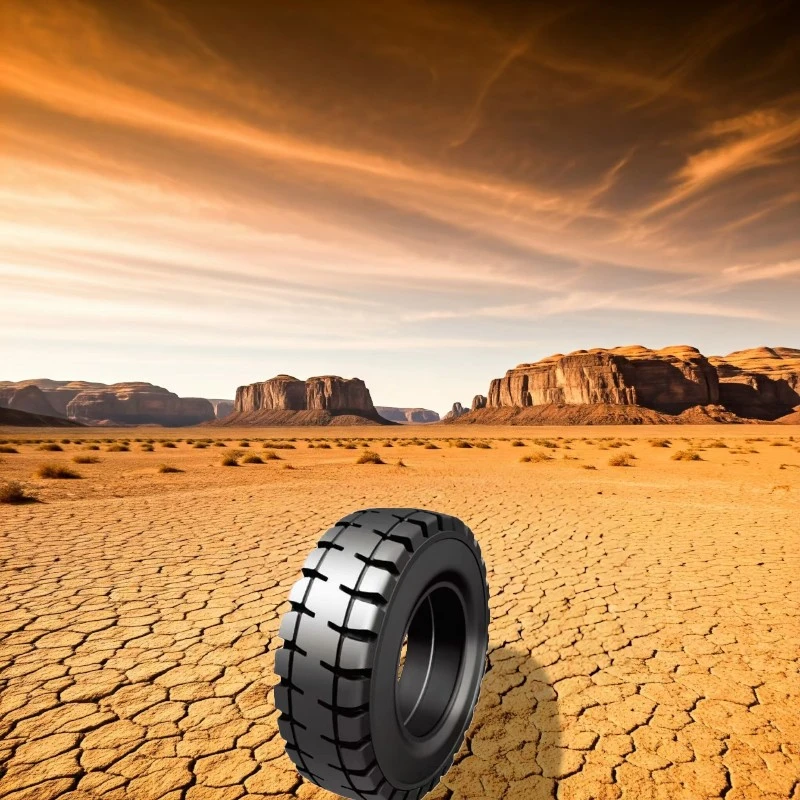
Stability
Solid tires offer better stability compared to pneumatic tires. They have a larger contact area with the ground, which provides better traction and handling. This is especially important for street sweepers, which need to maintain stability while operating on uneven surfaces or at high speeds. Solid tires also have a lower center of gravity, which reduces the risk of tipping over. This improves the safety of the vehicle and its operators, making solid tires a preferred choice for street sweepers.
Disadvantages of Using Solid Tires on Street Sweepers
Higher Cost
One of the main disadvantages of solid tires is their higher cost compared to pneumatic tires. Solid tires are more expensive to manufacture due to the materials and processes involved. This higher cost is passed on to the consumer, making solid tires a more significant investment. However, it is important to consider the long-term savings in terms of reduced maintenance and replacement costs. While the initial purchase price of solid tires may be higher, the overall cost of ownership over the lifespan of the tires may be lower.
Harsher Ride
Solid tires provide a harsher ride compared to pneumatic tires. They do not have the same level of shock absorption as pneumatic tires, which can result in a bumpier and less comfortable ride for the operator. This can be a concern for street sweeper operators who spend long hours on the road. However, advancements in solid tire technology have led to the development of tires with improved shock absorption capabilities. Some solid tires are designed with a special tread pattern or compound that helps to reduce vibrations and provide a smoother ride.
Limited Flexibility
Solid tires are less flexible compared to pneumatic tires. They do not have the ability to conform to the shape of the road surface as easily, which can affect traction and handling. This can be a problem for street sweepers that need to operate on uneven or rough terrain. However, solid tires are available in a variety of tread patterns and designs that are specifically engineered for different applications. By choosing the right solid tire for the specific needs of the street sweeper, operators can minimize the impact of limited flexibility on performance.
Key Considerations When Using Solid Tires on Street Sweepers
Load Capacity
When choosing solid tires for street sweepers, it is important to consider the load capacity of the tires. Street sweepers are heavy vehicles that carry a significant amount of weight, including the weight of the vehicle itself, the debris being collected, and the water used for cleaning. The solid tires must be able to support this weight without experiencing excessive wear or damage. It is recommended to choose solid tires with a load capacity that is equal to or greater than the maximum weight of the street sweeper.
Tread Pattern
The tread pattern of the solid tires is another important consideration. The tread pattern affects the traction, handling, and performance of the tires. For street sweepers, it is important to choose a tread pattern that provides good traction on both wet and dry surfaces. A tread pattern with deep grooves and channels can help to evacuate water and prevent hydroplaning. Additionally, a tread pattern that is designed for all-season use can provide better performance in different weather conditions.
Rim Size
The rim size of the solid tires must be compatible with the street sweeper's wheels. It is important to choose solid tires with the correct rim size to ensure a proper fit. Using tires with the wrong rim size can lead to problems such as poor handling, uneven wear, and safety hazards. It is recommended to consult the vehicle's manufacturer or a tire professional to determine the correct rim size for the street sweeper.
Application
The specific application of the street sweeper also plays a role in the choice of solid tires. Street sweepers can be used in a variety of environments, including urban streets, highways, industrial areas, and parking lots. Each environment has its own unique challenges and requirements. For example, street sweepers that operate on highways may require tires with a higher speed rating and better traction at high speeds. Street sweepers that operate in industrial areas may require tires that are more resistant to cuts and abrasions. By considering the specific application of the street sweeper, operators can choose the solid tires that are best suited for the job.
Conclusion
In conclusion, solid tires can be a viable option for street sweepers. They offer several advantages, including puncture resistance, durability, low maintenance, and stability. However, they also have some disadvantages, such as higher cost, harsher ride, and limited flexibility. When considering using solid tires on street sweepers, it is important to weigh the pros and cons and consider the specific needs and requirements of the vehicle. By choosing the right solid tires and properly maintaining them, operators can enjoy the benefits of improved performance, reduced downtime, and long-term cost savings.
If you are interested in learning more about our solid tires for street sweepers or would like to discuss your specific needs, please feel free to contact us. We are a leading solid tires supplier with a wide range of products and solutions to meet your requirements. Our team of experts is available to provide you with personalized advice and support to help you make the right choice for your street sweepers.