


As a supplier of Robots for Logistics, I've been deeply involved in the logistics automation industry. In recent years, there has been a growing interest in reverse logistics, which involves the return of products from the end - user to the manufacturer or distributor. The question that often arises is whether logistics robots can be effectively used for reverse logistics. In this blog, I'll explore this topic in detail.
Understanding Reverse Logistics
Reverse logistics encompasses a wide range of activities, including product returns, recall management, recycling, and refurbishment. Returns are a significant part of reverse logistics, driven by reasons such as product defects, customer dissatisfaction, or incorrect orders. The process of handling returns can be complex, time - consuming, and costly. It involves receiving the returned products, inspecting them, sorting them, and then deciding whether to restock, repair, recycle, or dispose of them.
The Role of Logistics Robots in Traditional Logistics
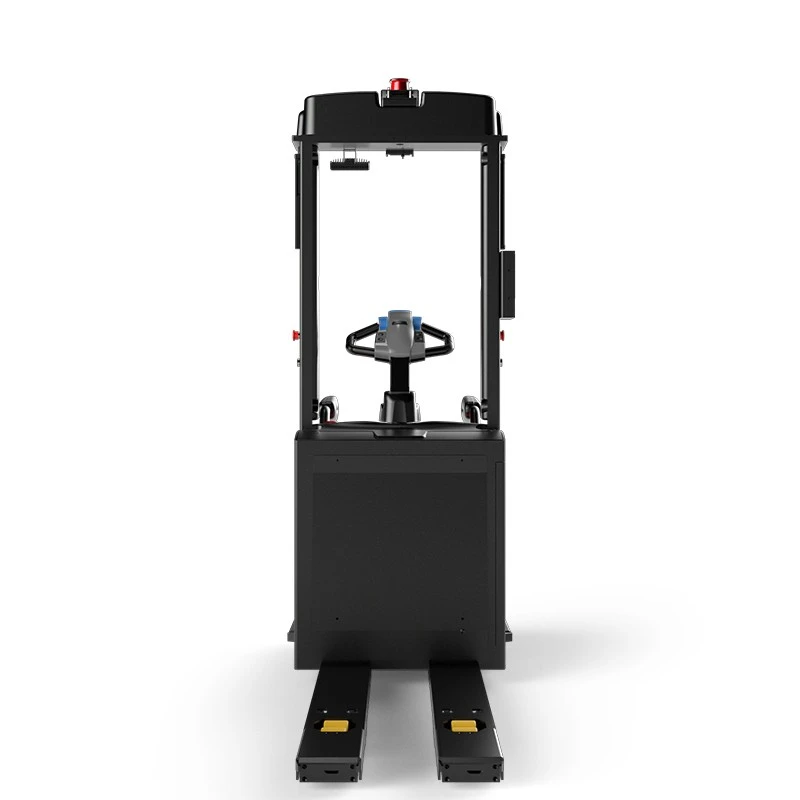
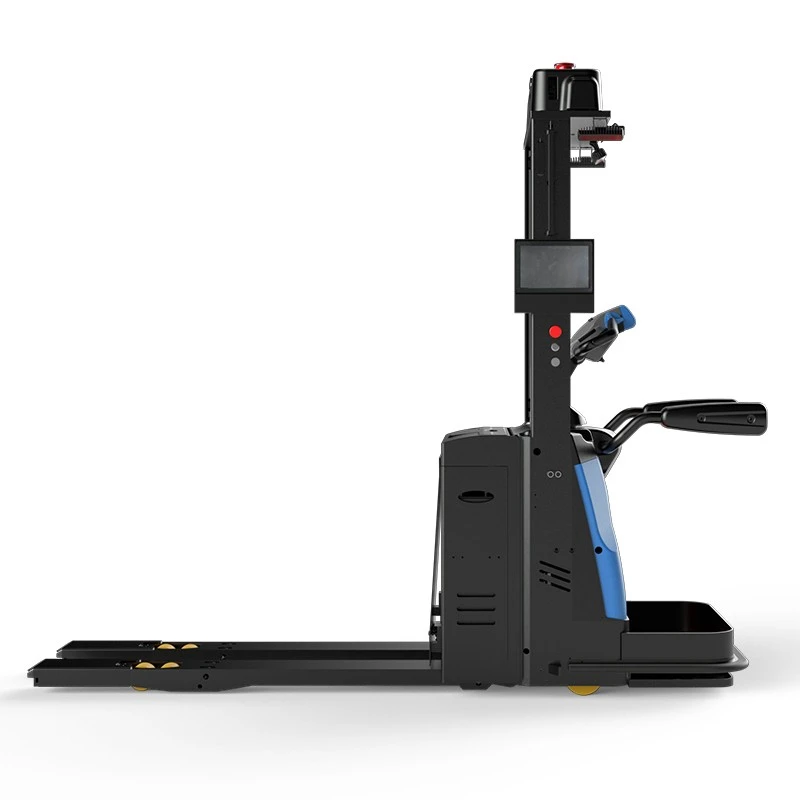
Before delving into their application in reverse logistics, let's first understand the role of logistics robots in traditional logistics. Logistics robots, such as Pedal Type Automated Guided Vehicle and High Speed Automated Transport Vehicle, have revolutionized the way goods are stored, transported, and sorted in warehouses and distribution centers.
These robots are equipped with advanced sensors, navigation systems, and control algorithms. They can move autonomously within a defined area, pick up and transport goods from one location to another, and even perform tasks like palletizing and depalletizing. In traditional logistics, they have significantly increased efficiency, reduced labor costs, and improved accuracy.
Feasibility of Logistics Robots in Reverse Logistics
Receiving and Sorting
One of the initial steps in reverse logistics is receiving the returned products and sorting them based on their condition, type, and destination. Logistics robots can play a crucial role in this process. They can be programmed to receive the returned items at the dock and transport them to the inspection area. With the help of machine - vision systems, robots can quickly scan and identify the products, and then sort them into different categories. For example, a robot can distinguish between a defective product that needs repair and a non - defective product that can be restocked.
Inspection
Inspection is a critical part of reverse logistics. Logistics robots can be equipped with various sensors to perform basic inspections. For instance, they can use cameras to check for visible damages, and sensors to measure dimensions, weights, and other physical properties. This can speed up the inspection process and provide more consistent results compared to manual inspection.
Storage and Retrieval
Once the products are sorted and inspected, they need to be stored in the appropriate location until further action is taken. Logistics robots can handle the storage and retrieval of these products. They can place the products in the correct storage bins or racks and retrieve them when needed. This helps in optimizing the use of storage space and ensures that the products are easily accessible for subsequent processes.
Refurbishment and Recycling
In cases where the returned products need to be refurbished or recycled, logistics robots can also be useful. They can transport the products to the refurbishment or recycling stations, and assist in the handling of parts during the process. For example, a robot can move components from one workstation to another in a refurbishment line.
Challenges and Limitations
Product Variability
One of the main challenges in using logistics robots for reverse logistics is the high variability of returned products. Unlike in traditional logistics, where products are often standardized, returned products can come in different shapes, sizes, and conditions. This makes it difficult for robots to handle them effectively. Specialized grippers and sensors may be required to accommodate this variability.
Uncertainty in Quantity and Timing
The quantity and timing of returned products are often uncertain. There may be sudden spikes in returns due to product recalls or seasonal factors. Logistics robots need to be flexible enough to handle these fluctuations in demand. Additionally, the unpredictable nature of returns can make it challenging to plan the workflow and allocate resources efficiently.
Integration with Existing Systems
Integrating logistics robots into existing reverse - logistics systems can be a complex task. The robots need to communicate and interact with other software and hardware components, such as warehouse management systems and conveyor belts. Ensuring seamless integration requires careful planning and coordination.
Case Studies
There are already some successful examples of using logistics robots in reverse logistics. For example, a large e - commerce company implemented a fleet of robots in its return - processing center. The robots were used for sorting and transporting the returned products. As a result, the company was able to reduce the processing time of returns by 30% and improve the accuracy of sorting. Another case involves a consumer - electronics manufacturer that used robots for the inspection and refurbishment of returned products. The robots helped in identifying defective components more quickly and reduced the overall refurbishment time.
Conclusion
In conclusion, logistics robots have great potential for use in reverse logistics. They can improve the efficiency, accuracy, and speed of the reverse - logistics process. However, there are also challenges that need to be addressed, such as product variability, uncertainty in quantity and timing, and integration with existing systems.
As a supplier of Robots for Logistics, we are committed to developing solutions that can overcome these challenges. Our range of robots, including Pedal Type Automated Guided Vehicle and High Speed Automated Transport Vehicle, can be customized to meet the specific needs of reverse - logistics operations.
If you are interested in exploring the use of logistics robots for your reverse - logistics processes, we would be more than happy to discuss your requirements and provide a tailored solution. Contact us to start a conversation about how our robots can transform your reverse - logistics operations.
References
- Guide, V. D. R., & Van Wassenhove, L. N. (2009). Reverse logistics and closed - loop supply chain: A comprehensive review to explore the future. European Journal of Operational Research, 198(1), 1 - 10.
- Govindan, K., Soleimani, H., & Kannan, D. (2015). Reverse logistics and closed - loop supply chain: A comprehensive review of recent literature. Resources, Conservation and Recycling, 98, 1 - 19.
- Thierry, M., Salomon, M., Van Nunen, J., & Van Wassenhove, L. (1995). Strategic issues in product recovery management. California Management Review, 37(2), 114 - 135.