


Are solid tires more resistant to ozone damage?
Hey there! I'm a supplier of solid tires, and I often get asked about how these tires hold up against ozone damage. Ozone is a gas that can be found in the atmosphere, especially in areas with high levels of pollution or near industrial sites. It can have a pretty significant impact on rubber products, including tires. So, let's dig into whether solid tires are more resistant to ozone damage.
First off, let's understand what ozone does to tires. Ozone molecules are highly reactive. When they come into contact with the rubber in tires, they can break down the chemical bonds in the rubber. This leads to cracking, hardening, and a general deterioration of the tire's structure. Over time, these effects can seriously compromise the tire's performance and safety.
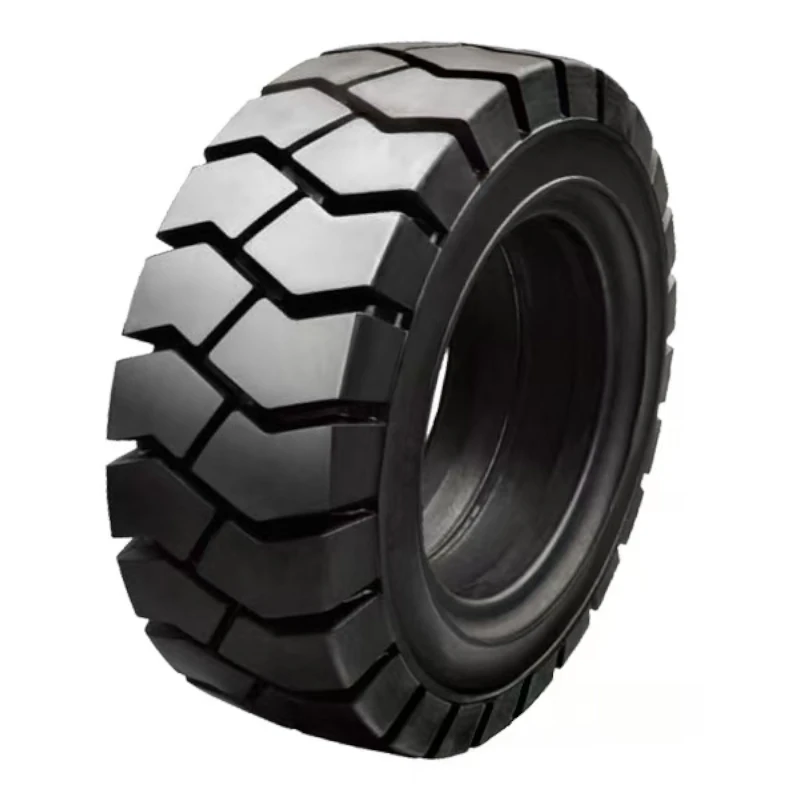
Now, let's talk about solid tires. Solid tires are made from a solid piece of rubber, unlike pneumatic tires which are filled with air. This solid construction gives them some unique properties when it comes to ozone resistance.
One of the main advantages of solid tires is their density. The rubber in solid tires is more compact compared to that in pneumatic tires. This means there are fewer pores and gaps in the rubber for ozone molecules to penetrate. As a result, ozone has a harder time reaching the inner layers of the rubber and causing damage.
Another factor is the type of rubber used in solid tires. Many solid tires are made from high - quality, synthetic rubbers that are formulated to be more resistant to environmental factors, including ozone. These rubbers often contain additives that act as antioxidants, which can help neutralize the effects of ozone.
In addition, solid tires usually have a thicker rubber layer. This extra thickness provides an additional barrier against ozone. Even if the outer layer of the tire starts to show signs of ozone damage, there is still a significant amount of undamaged rubber underneath to maintain the tire's integrity.
Let's look at some real - world scenarios. In industrial settings where there is often a higher concentration of ozone due to machinery and pollution, solid tires tend to last longer than pneumatic tires. For example, in warehouses where forklifts are constantly in use, solid tires can withstand the ozone - rich environment better. They don't develop cracks as quickly, which means less downtime for tire replacement and maintenance.
However, it's not all sunshine and rainbows. Solid tires are not completely immune to ozone damage. If they are exposed to extremely high levels of ozone for a long period of time, they will eventually start to show signs of wear. But the rate of damage is generally much slower compared to pneumatic tires.
Now, let's talk about the different types of solid tires we offer. We have a great selection of Light - duty Tires. These are perfect for applications where the load is relatively light, such as small carts or electric vehicles. They are designed to be durable and resistant to ozone, so you can be confident that they will last in various environments.
If you're looking for tires that are energy - efficient, our Best Low Rolling Resistance Tires for Electric Cars are a great option. These tires not only reduce the energy consumption of electric vehicles but also have good ozone resistance. The low rolling resistance means less heat generation, which can also help prevent ozone - related damage.
And for those who need extra protection for the rims, our Tires with Raised Rim Protector are ideal. The raised rim protector not only protects the rims from damage but also adds an extra layer of rubber that can resist ozone.
But how do we know that solid tires are really more resistant to ozone damage? There have been numerous studies on this topic. Researchers have conducted laboratory tests where they expose both solid and pneumatic tires to controlled levels of ozone. The results consistently show that solid tires take much longer to develop visible signs of ozone damage, such as cracking and hardening.
In the field, we've also received feedback from our customers. Many of them have reported that they've noticed a significant difference in the lifespan of their solid tires compared to pneumatic tires, especially in areas with high ozone levels.
Of course, proper maintenance also plays a role in the ozone resistance of solid tires. Regular cleaning can remove any contaminants that might accelerate ozone damage. Storing the tires in a cool, dry place away from direct sunlight and ozone - rich areas when not in use can also help extend their lifespan.
So, to sum it up, solid tires are generally more resistant to ozone damage than pneumatic tires. Their density, the type of rubber used, and their thicker construction all contribute to this resistance. However, it's important to remember that no tire is completely immune to ozone, and proper care is still necessary.
If you're in the market for high - quality solid tires that can withstand ozone and other environmental factors, we're here to help. Whether you need tires for industrial equipment, electric vehicles, or any other application, we have a wide range of options to meet your needs. Contact us today to start a conversation about your tire requirements. We can provide you with detailed information about our products and help you choose the best tires for your specific situation.
References
- "The Effects of Ozone on Rubber Materials" - Journal of Rubber Science
- "Comparative Study of Ozone Resistance in Solid and Pneumatic Tires" - Industrial Tire Research Institute