


Are solid tires good for heavy - duty equipment?
When it comes to heavy - duty equipment, the choice of tires is a crucial decision that can significantly impact the performance, efficiency, and safety of the machinery. As a solid tires supplier, I've had the opportunity to work closely with various industries that rely on heavy - duty equipment, and I've seen firsthand the benefits and considerations associated with using solid tires. In this blog post, I'll delve into the question of whether solid tires are good for heavy - duty equipment, exploring their advantages, disadvantages, and real - world applications.
Advantages of Solid Tires for Heavy - Duty Equipment
1. Puncture Resistance
One of the most significant advantages of solid tires for heavy - duty equipment is their exceptional puncture resistance. In industrial environments, heavy - duty equipment often operates in areas filled with sharp objects such as nails, glass shards, and metal debris. Pneumatic tires are highly susceptible to punctures, which can lead to costly downtime for repairs and replacements. Solid tires, on the other hand, are made of a single, solid piece of rubber or other durable materials, eliminating the risk of punctures. This means that heavy - duty equipment can continue to operate without interruption, increasing productivity and reducing maintenance costs.
2. High Load - Bearing Capacity
Heavy - duty equipment is designed to carry and transport large loads. Solid tires are engineered to handle heavy weights, making them an ideal choice for this type of machinery. They have a higher load - bearing capacity compared to pneumatic tires, which means they can support the weight of the equipment and its cargo without deforming or failing. This is particularly important in applications such as forklifts, loaders, and mining trucks, where the ability to carry heavy loads safely and efficiently is essential.
3. Low Maintenance Requirements
Solid tires require less maintenance than pneumatic tires. Since they don't have air chambers, there's no need to check tire pressure regularly, which is a common maintenance task for pneumatic tires. Additionally, the risk of flats and blowouts is eliminated, reducing the frequency of tire replacements. This not only saves time but also reduces the overall cost of ownership for heavy - duty equipment.
4. Longevity
Solid tires are known for their long lifespan. They are built to withstand the harsh conditions and heavy use associated with heavy - duty equipment. The durable materials used in their construction resist wear and tear, allowing them to last longer than pneumatic tires. This means that heavy - duty equipment owners can expect to get more use out of their tires before needing to replace them, resulting in cost savings over the long term.
Disadvantages of Solid Tires for Heavy - Duty Equipment
1. Harsh Ride
One of the main drawbacks of solid tires is that they provide a harsher ride compared to pneumatic tires. Pneumatic tires act as shock absorbers, cushioning the equipment from bumps and vibrations on the road or work surface. Solid tires, however, lack this shock - absorbing ability, which can lead to a less comfortable ride for the operator. This can be a significant issue, especially for equipment that operates over rough terrain or for long periods of time, as it can cause fatigue and discomfort for the operator.
2. Higher Initial Cost
Solid tires generally have a higher initial cost than pneumatic tires. The materials and manufacturing processes used to produce solid tires are more expensive, which is reflected in the price. This can be a deterrent for some heavy - duty equipment owners, especially those on a tight budget. However, it's important to consider the long - term cost savings associated with solid tires, such as reduced maintenance and replacement costs, when evaluating their overall value.
3. Limited Traction in Some Conditions
While solid tires offer good traction in many situations, they may not perform as well as pneumatic tires in certain conditions. For example, in wet or slippery conditions, the lack of air in solid tires can reduce their ability to conform to the surface, resulting in less traction. This can be a safety concern, especially for heavy - duty equipment that needs to operate in these types of environments.
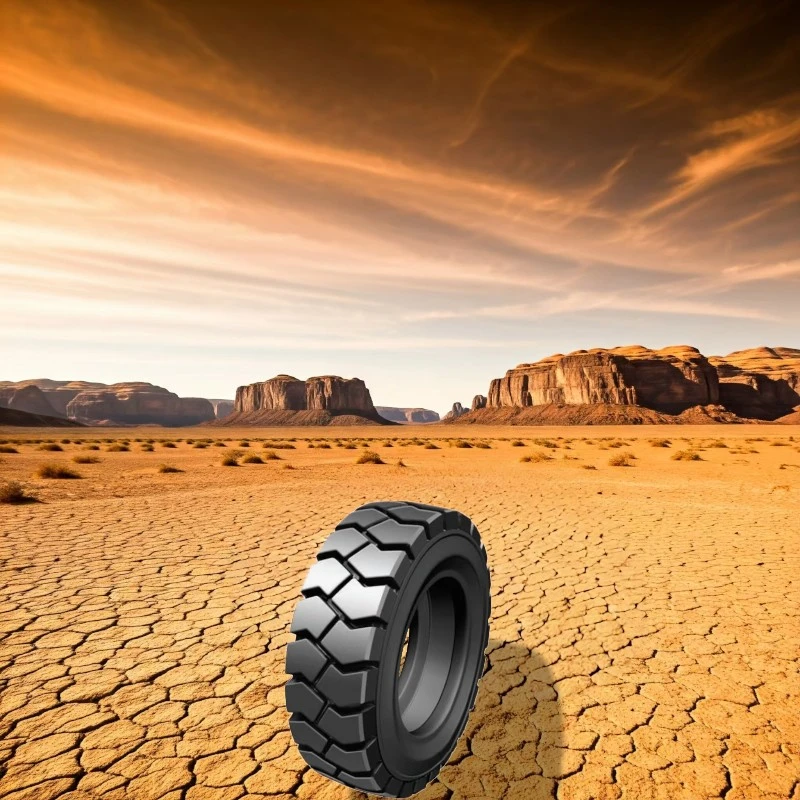
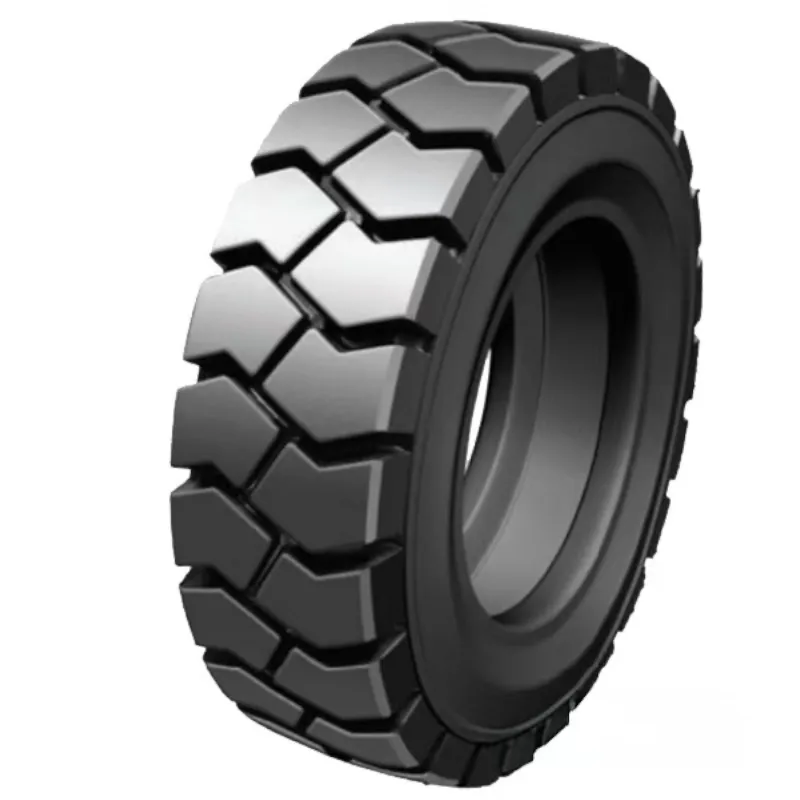
Real - World Applications of Solid Tires in Heavy - Duty Equipment
1. Forklifts
Forklifts are commonly used in warehouses, distribution centers, and manufacturing facilities to lift and move heavy loads. Solid tires are a popular choice for forklifts due to their puncture resistance, high load - bearing capacity, and low maintenance requirements. They can withstand the constant stop - and - go motion and tight turning maneuvers of forklifts, ensuring reliable performance in a busy work environment.
2. Construction Equipment
In the construction industry, heavy - duty equipment such as loaders, excavators, and bulldozers are used to move large amounts of earth, debris, and building materials. Solid tires are well - suited for this type of equipment because they can handle the rough terrain and heavy loads associated with construction sites. Their puncture resistance also makes them a practical choice in an environment where sharp objects are common.
3. Mining Trucks
Mining trucks are some of the largest and heaviest pieces of equipment in the mining industry. They are used to transport large quantities of ore and other materials over long distances. Solid tires are essential for these trucks because of their high load - bearing capacity and durability. They can withstand the extreme conditions of mining operations, including rough roads, heavy loads, and sharp rocks.
Our Solid Tires Offerings
As a solid tires supplier, we offer a wide range of solid tires to meet the diverse needs of heavy - duty equipment owners. Our Light - duty Tires are designed for lighter - duty applications, providing a balance of performance and cost - effectiveness. For applications where rim protection is important, our Tires with Raised Rim Protector offer an extra layer of protection for the rims of the equipment. And for those looking for energy - efficient options, our Best Low Rolling Resistance Tires for Electric Cars can help reduce energy consumption and operating costs.
Conclusion
In conclusion, solid tires have both advantages and disadvantages when it comes to heavy - duty equipment. Their puncture resistance, high load - bearing capacity, low maintenance requirements, and longevity make them a great choice for many applications. However, their harsh ride, higher initial cost, and limited traction in some conditions need to be considered. When evaluating whether solid tires are right for your heavy - duty equipment, it's important to weigh these factors against your specific needs and operating conditions.
If you're in the market for solid tires for your heavy - duty equipment, we'd love to have a conversation with you. Our team of experts can help you select the right tires for your machinery, taking into account your requirements and budget. Contact us today to start the procurement and negotiation process. We're committed to providing you with high - quality solid tires and excellent customer service.
References
- [Author's name if available], [Title of a relevant book on industrial tires], [Publication year], [Publisher]
- [Research paper title], [Author's name], [Journal name], [Volume number], [Issue number], [Publication year], [Pages]