


Operating a reach truck requires specialized training to ensure safety, efficiency, and proper handling of the equipment. As a reach truck supplier, we understand the importance of comprehensive training for operators. In this blog, we will explore the various types of training needed to operate a reach truck effectively.
Pre - operational Training
Before an operator even starts the reach truck, they need to be well - versed in pre - operational checks. This training begins with a detailed introduction to the reach truck's components. Operators should learn to identify different parts of the reach truck, such as the mast, forks, controls, and safety devices. For example, they need to know the function of the overhead guard, which protects them from falling objects.
Training also includes how to conduct a thorough pre - shift inspection. This involves checking the tires for proper inflation and wear, examining the hydraulic hoses for leaks, and ensuring that all lights and indicators are working correctly. A pre - shift inspection is crucial as it can prevent potential breakdowns and accidents during operation. According to industry standards, a pre - shift inspection should be documented, and any issues should be reported immediately.
Safety Training
Safety is of utmost importance when operating a reach truck. Operators must be trained in general warehouse safety rules. This includes understanding traffic flow patterns in the warehouse, such as one - way aisles and pedestrian walkways. They should also be aware of the importance of wearing appropriate personal protective equipment (PPE), like safety shoes, helmets, and high - visibility vests.
Load handling safety is another critical aspect. Operators need to learn how to properly position the forks under the load, ensuring that the load is centered and stable. Overloading the reach truck can lead to tip - overs and other accidents. They should be trained to calculate the load capacity based on the reach truck's specifications and the position of the mast. For instance, the load capacity may decrease as the mast is raised to higher levels.
In addition, operators must be trained in emergency procedures. This includes knowing how to stop the reach truck in case of an emergency, how to use the fire extinguisher on board, and what to do in case of a tip - over. Emergency exits in the warehouse should also be clearly marked, and operators should be familiar with the evacuation routes.
Operating Controls Training
Reach trucks have a variety of controls that operators need to master. The steering controls are the first to be learned. Unlike traditional forklifts, reach trucks often have a unique steering mechanism, which may include a tiller or a multi - directional steering system. Operators need to practice maneuvering the reach truck in different scenarios, such as tight turns and narrow aisles.
The mast controls are equally important. Operators should be trained to raise, lower, and extend the mast smoothly. They need to understand the relationship between the mast height and the load stability. For example, when the mast is fully extended, the reach truck's center of gravity changes, and extra caution is required.
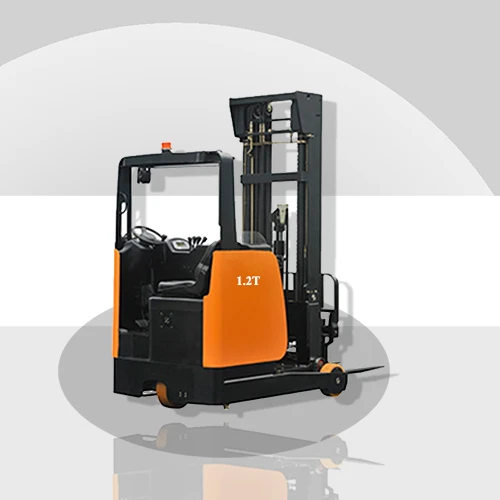
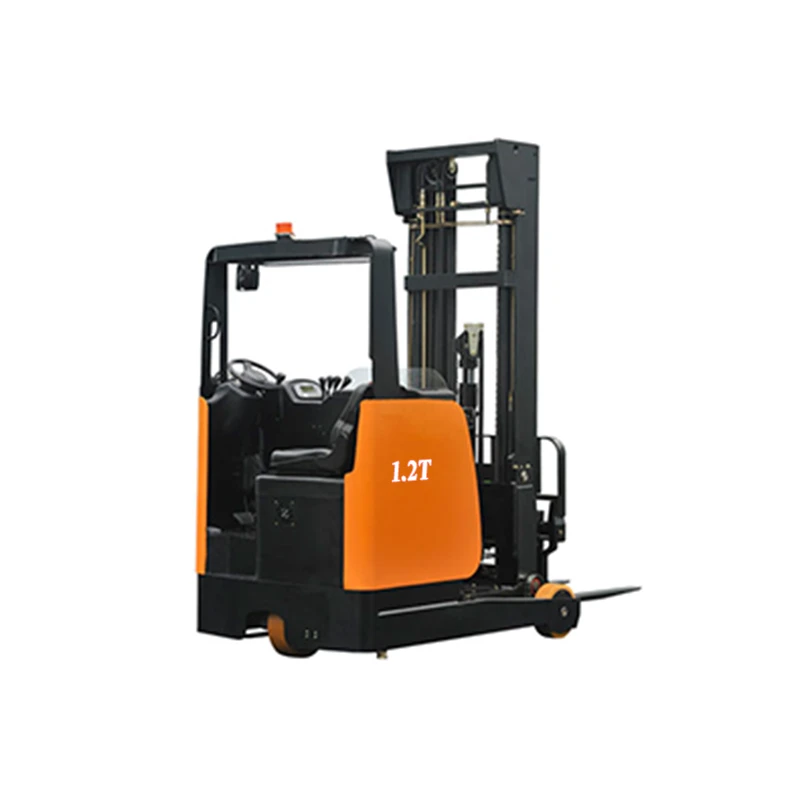
The controls for load handling, such as the fork tilt and side - shift functions, also need to be mastered. These controls allow operators to position the load accurately, which is essential for efficient storage and retrieval operations. Our Reach Truck 2 Ton and Reach Truck 1.2 Ton models come with user - friendly control systems, but proper training is still necessary to operate them effectively.
Maneuvering and Stacking Training
Maneuvering a reach truck in a warehouse environment is a skill that requires practice. Operators need to be trained to drive the reach truck at an appropriate speed, taking into account the warehouse layout, the presence of pedestrians, and the type of load being carried. They should learn to anticipate obstacles and make smooth stops and starts.
Stacking and unstacking loads are core operations of a reach truck. Operators need to be trained to position the reach truck accurately in front of the storage rack. They should be able to adjust the mast height and fork position to place the load on the rack safely. Stacking loads too high or unevenly can lead to instability and potential collapse. Our 2 Ton Large Reach Electric Forklift is designed for heavy - duty stacking operations, but operators need proper training to utilize its capabilities fully.
Maintenance and Troubleshooting Training
Basic maintenance training is beneficial for reach truck operators. They should learn how to perform simple tasks like battery charging (for electric reach trucks), lubricating moving parts, and cleaning the reach truck. Understanding the basic maintenance requirements can extend the lifespan of the reach truck and reduce downtime.
Troubleshooting training is also important. Operators should be able to recognize common problems, such as strange noises, warning lights on the dashboard, or reduced performance. They should know when to stop using the reach truck and report the issue to the maintenance team. This can prevent minor problems from turning into major breakdowns.
Refresher Training
Even experienced reach truck operators need refresher training periodically. Warehouse environments can change, new safety regulations may be introduced, and the reach truck models may be updated. Refresher training can reinforce safe operating practices, introduce new features of the reach truck, and address any emerging safety concerns.
Conclusion
In conclusion, operating a reach truck requires a comprehensive set of training programs. From pre - operational checks to emergency procedures, from mastering controls to performing maintenance tasks, operators need to be well - trained to ensure safe and efficient operation. As a reach truck supplier, we are committed to providing not only high - quality reach trucks but also support in training operators.
If you are interested in our reach trucks or need more information about training programs, we encourage you to contact us for a detailed discussion. Our team of experts is ready to assist you in making the right choice for your warehouse operations and ensuring that your operators are well - trained.
References
- Occupational Safety and Health Administration (OSHA). Forklift Training Requirements.
- Industrial Truck Association (ITA). Best Practices for Reach Truck Operation.