


Hey there! As a stacker supplier, I often get asked about the power sources that stackers use. It's a crucial topic because the right power source can make a huge difference in the performance, efficiency, and cost - effectiveness of these machines. So, let's dive right in and explore the different types of power sources for stackers.

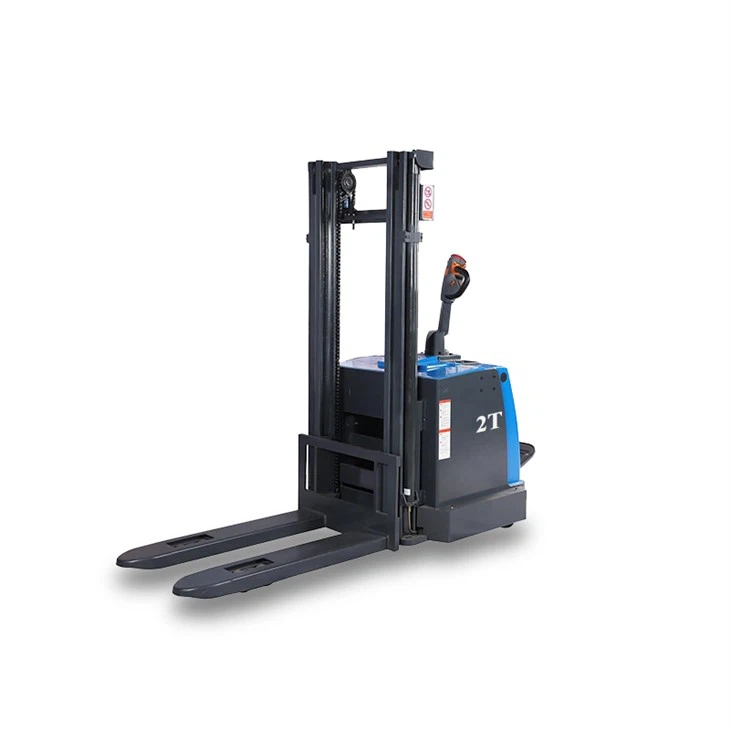
Battery - Powered Stackers
Battery - powered stackers are super popular, and for good reasons. They're clean, quiet, and can be used in a variety of environments, including indoor spaces where emissions are a concern.
Lead - Acid Batteries
Lead - acid batteries have been around for ages and are still widely used in stackers. They're relatively inexpensive and can provide a decent amount of power. One of the main advantages of lead - acid batteries is their ability to deliver high current when needed, which is great for lifting heavy loads. However, they do have some drawbacks. They're heavy, which can add to the overall weight of the stacker. Also, they require regular maintenance, like checking the water levels and ensuring proper charging to avoid sulfation.
For example, our Electric Stacker Pallet Jack can be equipped with lead - acid batteries. It's a great option for light to medium - duty applications in warehouses and distribution centers.
Lithium - Ion Batteries
Lithium - ion batteries are the new kids on the block when it comes to stacker power sources. They're lighter than lead - acid batteries, which means the stacker can be more maneuverable. They also have a longer lifespan and a higher energy density, so they can hold more charge and last longer between charges. Plus, they don't require as much maintenance as lead - acid batteries. You don't have to worry about watering them or dealing with sulfation.
Our Walkie Pallet Stacker can be powered by lithium - ion batteries. It's perfect for fast - paced operations where you need a reliable and efficient stacker that can keep up with the workload.
Diesel - Powered Stackers
Diesel - powered stackers are known for their high power and durability. They're ideal for heavy - duty outdoor applications, like construction sites and large - scale loading docks. Diesel engines can generate a lot of torque, which means they can lift and move extremely heavy loads with ease.
One of the main advantages of diesel - powered stackers is their long - range operation. You don't have to worry about running out of power quickly like you might with a battery - powered stacker. Just fill up the diesel tank, and you're good to go for hours.
However, diesel stackers do have some downsides. They produce emissions, so they're not suitable for indoor use. They're also louder than battery - powered stackers, which can be a nuisance in some work environments. And, of course, diesel fuel can be expensive, especially with fluctuating fuel prices.
Our Electric Stacker Truck also has a diesel - powered option for those who need the extra power for heavy - duty tasks.
Gas - Powered Stackers
Gas - powered stackers, typically using propane or natural gas, offer a good balance between power and environmental friendliness. Propane - powered stackers are quite popular because propane is readily available and burns relatively cleanly compared to diesel.
These stackers are suitable for both indoor and outdoor use, depending on proper ventilation. They offer good power and performance, and the refueling process is relatively quick. You can swap out an empty propane tank for a full one in no time, minimizing downtime.
But like any power source, gas - powered stackers have their limitations. Propane tanks need to be stored safely, and there's always a risk of gas leaks if not properly maintained. Also, the cost of propane can vary, which can affect the overall operating cost.
Choosing the Right Power Source
When it comes to choosing the right power source for a stacker, there are several factors to consider.
Application
If you're using the stacker indoors, a battery - powered option is usually the best choice. They're clean and quiet, and you don't have to worry about emissions. For heavy - duty outdoor work, diesel or gas - powered stackers might be more suitable because of their power and long - range capabilities.
Budget
Your budget plays a big role in the decision. Battery - powered stackers, especially those with lithium - ion batteries, can have a higher upfront cost. However, they may save you money in the long run due to lower maintenance and energy costs. Diesel and gas - powered stackers may have a lower upfront cost, but the ongoing fuel costs can add up.
Workload
The amount of work you need the stacker to do is also important. If you have a high - volume, continuous operation, a stacker with a long - lasting power source, like a lithium - ion battery or a diesel engine, is a good idea. For occasional use or light - duty tasks, a lead - acid battery - powered stacker might be sufficient.
Conclusion
In conclusion, there are several power sources available for stackers, each with its own set of advantages and disadvantages. As a stacker supplier, we understand that every customer's needs are different. That's why we offer a range of stackers with different power options to meet your specific requirements.
Whether you're looking for a Electric Stacker Pallet Jack, a Walkie Pallet Stacker, or an Electric Stacker Truck, we've got you covered.
If you're interested in purchasing a stacker or want to learn more about the power sources and which one is right for you, don't hesitate to reach out. We're here to help you make the best decision for your business. Let's have a chat and find the perfect stacker solution for you.
References
- "Material Handling Equipment Handbook"
- Industry reports on stacker power sources and trends.