


As a provider of electric stacker trucks, I often encounter inquiries from customers about the maximum load capacity at different lift heights. Understanding this relationship is crucial for businesses to ensure safe and efficient material handling operations. In this blog post, I will delve into the factors that influence the load capacity of electric stacker trucks at various lift heights and provide practical insights for your consideration.
The Basics of Load Capacity and Lift Height
The load capacity of an electric stacker truck refers to the maximum weight it can safely lift and transport. This capacity is typically specified by the manufacturer and is influenced by several factors, including the design of the truck, the strength of its components, and the stability of the load. Lift height, on the other hand, is the vertical distance the forks of the stacker can be raised.
It's important to note that the load capacity of an electric stacker truck decreases as the lift height increases. This is because as the forks are raised, the center of gravity of the load shifts upward, making the truck more top-heavy and less stable. To maintain stability and prevent tipping, the maximum load capacity must be reduced at higher lift heights.
Factors Affecting Load Capacity at Different Lift Heights
1. Truck Design and Construction
The design and construction of an electric stacker truck play a significant role in determining its load capacity at different lift heights. Trucks with a wider base and a lower center of gravity are generally more stable and can handle heavier loads at higher lift heights. Additionally, the quality of the materials used in the construction of the truck, such as the frame, forks, and mast, can also affect its load capacity.
2. Mast Type
The type of mast on an electric stacker truck can also impact its load capacity at different lift heights. There are several types of masts available, including single-stage, two-stage, and three-stage masts. Single-stage masts are typically used for lower lift heights and can handle heavier loads, while two-stage and three-stage masts are designed for higher lift heights but have a lower load capacity.
3. Load Center
The load center is the distance from the face of the forks to the center of gravity of the load. A load with a larger load center will require a lower load capacity at a given lift height to maintain stability. It's important to ensure that the load is centered on the forks and that the load center does not exceed the manufacturer's specifications.
4. Battery Weight
The weight of the battery in an electric stacker truck can also affect its load capacity. A heavier battery can provide more stability but may also reduce the available load capacity. It's important to consider the battery weight when selecting an electric stacker truck and to ensure that the truck can handle the combined weight of the battery and the load.
Understanding Load Capacity Charts
To help customers determine the maximum load capacity at different lift heights, most electric stacker truck manufacturers provide load capacity charts. These charts typically show the maximum load capacity for a range of lift heights and load centers. It's important to refer to the load capacity chart for your specific truck model and to ensure that the load you are lifting does not exceed the recommended capacity.
Here is an example of a load capacity chart for an [specific model] electric stacker truck:
| Lift Height (mm) | Load Center (mm) | Maximum Load Capacity (kg) |
|---|---|---|
| 1000 | 500 | 1500 |
| 2000 | 500 | 1200 |
| 3000 | 500 | 900 |
| 4000 | 500 | 600 |
As you can see from the chart, the maximum load capacity decreases as the lift height increases. It's important to note that these values are based on ideal conditions and that actual load capacity may vary depending on factors such as the type of load, the surface conditions, and the operator's skill.
Choosing the Right Electric Stacker Truck for Your Needs
When selecting an electric stacker truck, it's important to consider your specific needs and requirements. Here are some factors to keep in mind:
1. Maximum Lift Height
Determine the maximum lift height you will need to reach in your operations. This will help you select a truck with the appropriate mast type and lift capacity.
2. Load Capacity
Consider the maximum weight of the loads you will be lifting and transporting. Make sure to choose a truck with a load capacity that is sufficient for your needs, taking into account the lift height and load center.
3. Operating Environment
Think about the operating environment where the truck will be used. If you will be working in a narrow aisle or a confined space, you may need a truck with a compact design and a small turning radius.
4. Battery Life
If you will be using the truck for extended periods of time, consider the battery life and the charging time. Look for a truck with a long battery life and a fast charging time to minimize downtime.
Our Electric Stacker Truck Offerings
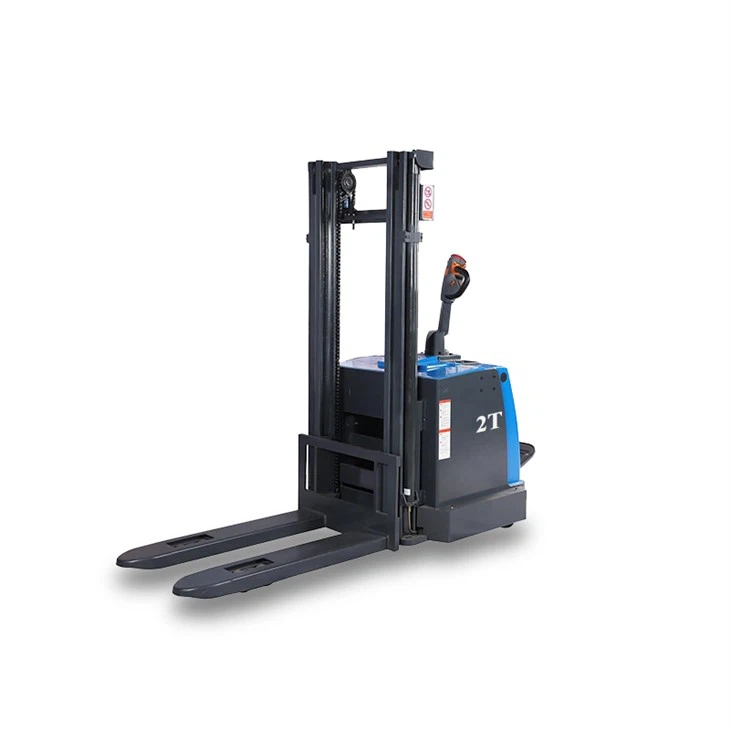
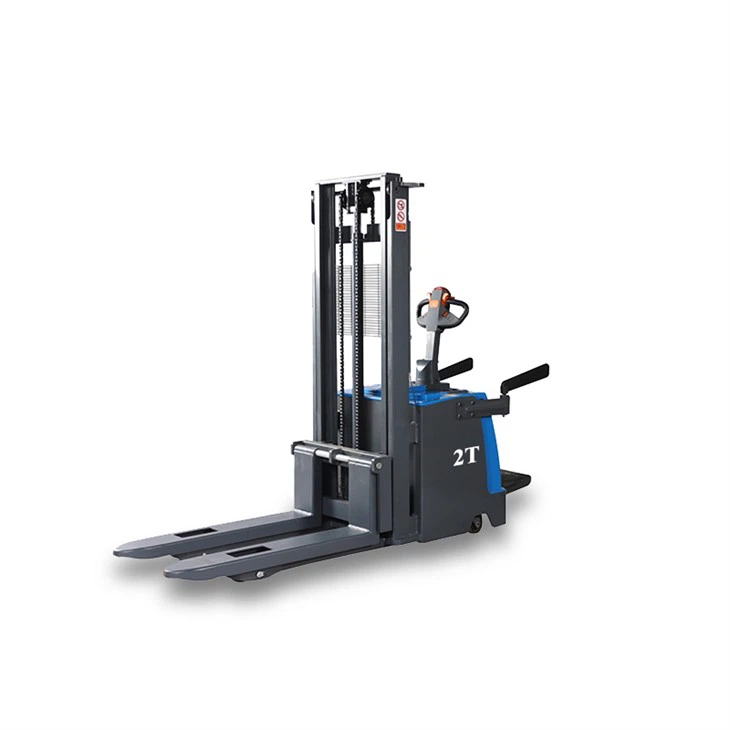
At our company, we offer a wide range of electric stacker trucks to meet the diverse needs of our customers. Our product lineup includes Electric Stacker Pallet Jack, Walkie Pallet Stacker, and Electric Pallet Forklift.
Our electric stacker trucks are designed with safety, efficiency, and reliability in mind. They feature advanced technology and high-quality components to ensure optimal performance and long service life. Whether you need a truck for light-duty or heavy-duty applications, we have the right solution for you.
Contact Us for More Information
If you have any questions about the maximum load capacity at different lift heights of our electric stacker trucks or if you would like to discuss your specific requirements, please don't hesitate to contact us. Our team of experts is here to help you choose the right truck for your needs and to provide you with the support and guidance you need to ensure a successful material handling operation.
References
- [Manufacturer's Manual for Electric Stacker Trucks]
- [Industry Standards for Material Handling Equipment]
- [Research Papers on Forklift Stability and Load Capacity]