


The lifespan of a powered pallet stacker is a crucial consideration for businesses in various industries. As a supplier of powered pallet stackers, I've encountered numerous inquiries regarding this topic. In this blog, I'll delve into the factors that influence the lifespan of a powered pallet stacker and provide insights to help you understand how to maximize its longevity.
Factors Affecting the Lifespan of a Powered Pallet Stacker
1. Quality of Manufacturing
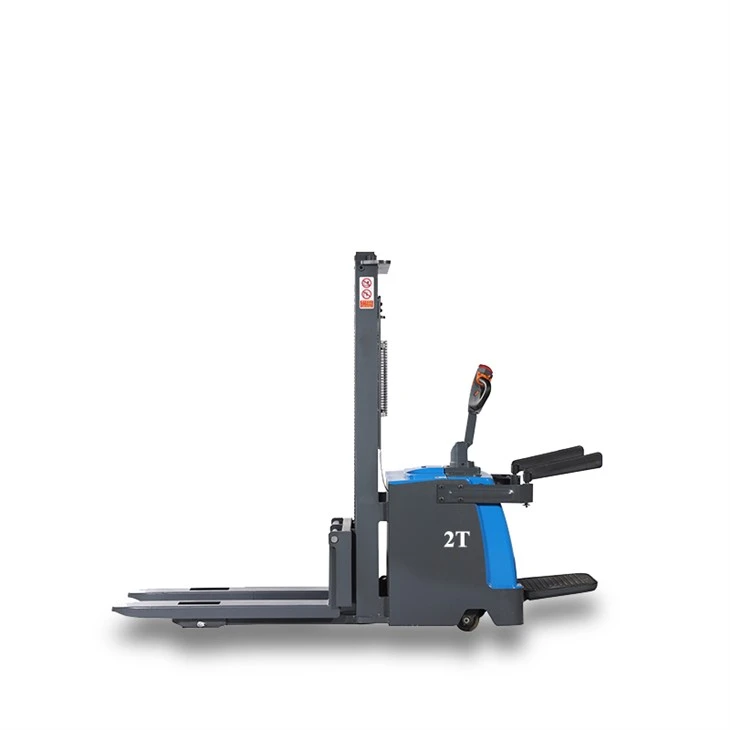
The quality of the materials used and the manufacturing process significantly impact the lifespan of a powered pallet stacker. High - quality stackers are typically built with durable components, such as strong steel frames, reliable motors, and long - lasting hydraulic systems. At our company, we source the best materials and employ strict quality control measures during the manufacturing process. For example, our 1.5 Ton Electric Stacker Truck is crafted with heavy - duty steel to withstand heavy loads and frequent use.

2. Frequency and Intensity of Use
The more frequently and intensively a powered pallet stacker is used, the shorter its lifespan may be. In a busy warehouse where the stacker is in operation for long hours every day, it will experience more wear and tear compared to one used occasionally. For instance, if a stacker is used to lift heavy pallets multiple times per hour, the motor, hydraulic pump, and other moving parts will be under constant stress. On the other hand, a stacker used in a small retail store for light - duty tasks may last much longer.
3. Maintenance and Servicing
Regular maintenance is essential for extending the lifespan of a powered pallet stacker. This includes tasks such as checking and changing the hydraulic fluid, lubricating moving parts, inspecting the battery (if it's an electric stacker), and tightening loose bolts. A well - maintained stacker can often outlast a poorly maintained one by several years. We recommend following the manufacturer's maintenance schedule and having a professional technician perform regular servicing. Our Electric Pallet Jack Stacker comes with a detailed maintenance guide to help our customers keep it in top condition.
4. Operating Environment
The environment in which the powered pallet stacker operates also plays a role in its lifespan. If the stacker is used in a dirty, dusty, or corrosive environment, it can cause premature wear of the components. For example, in a chemical manufacturing plant, the stacker may be exposed to corrosive substances that can damage the metal parts. In contrast, a stacker used in a clean, dry warehouse will face fewer environmental challenges.
5. Operator Training
Proper operator training is vital for the longevity of a powered pallet stacker. An untrained operator may misuse the stacker, such as overloading it, making sudden stops and starts, or driving it roughly. These actions can put unnecessary stress on the stacker's components and lead to premature failure. We offer training programs for our customers to ensure that their operators know how to use the stacker safely and efficiently.
Typical Lifespan of a Powered Pallet Stacker
On average, a well - maintained powered pallet stacker can last between 5 to 10 years. However, this is just a rough estimate, and the actual lifespan can vary widely depending on the factors mentioned above. For light - duty applications with infrequent use and proper maintenance, a stacker may last even longer, up to 15 years or more. In contrast, a stacker used in a high - volume, heavy - duty environment may need to be replaced after 3 to 5 years.
Our 1.2 Ton Double Column Mini Electric Stacker Truck is designed to offer a long lifespan even in challenging conditions. With its robust construction and advanced technology, it can withstand the rigors of daily use in various industries.
Tips to Extend the Lifespan of a Powered Pallet Stacker
1. Follow the Maintenance Schedule
As mentioned earlier, regular maintenance is key. Create a maintenance schedule and stick to it. This includes daily, weekly, monthly, and annual checks. For example, daily checks can involve inspecting the tires, brakes, and controls, while monthly checks may include checking the hydraulic system and battery.
2. Keep the Stacker Clean
Regularly clean the stacker to remove dirt, dust, and debris. This is especially important if it's used in a dirty environment. Use a mild detergent and a soft cloth to clean the exterior, and be careful not to get water into the electrical components.
3. Train Your Operators
Invest in proper operator training. Make sure your operators understand the stacker's capabilities and limitations. They should know how to load and unload pallets correctly, drive the stacker smoothly, and perform basic safety checks before each use.
4. Store the Stacker Properly
When not in use, store the stacker in a dry, clean place. If it's an outdoor storage area, cover the stacker to protect it from the elements. This can prevent rust and corrosion and keep the stacker in good condition.
Conclusion
The lifespan of a powered pallet stacker is influenced by multiple factors, including manufacturing quality, frequency of use, maintenance, operating environment, and operator training. By understanding these factors and taking appropriate measures, you can extend the lifespan of your stacker and get the most out of your investment.
If you're in the market for a powered pallet stacker or need advice on maintaining your existing one, we're here to help. Our team of experts can provide you with detailed information about our products and offer customized solutions to meet your specific needs. Contact us today to start a conversation about your powered pallet stacker requirements.
References
- "Warehouse Equipment Maintenance Handbook", Industrial Publishing Inc.
- "Material Handling Equipment: Selection and Application", Logistics Press