


Reach trucks are essential equipment in various warehousing and logistics operations, designed to efficiently handle palletized goods in narrow aisles. One of the most critical components of a reach truck is its mast, which significantly influences the truck's performance, lifting capacity, and operational flexibility. As a trusted reach truck supplier, we understand the importance of choosing the right mast for your specific material handling needs. In this blog, we'll explore the different types of reach truck masts, their features, and applications to help you make an informed decision.
Single-Stage Mast
The single - stage mast is the simplest type of reach truck mast. It consists of a single vertical structure that can lift the load to a relatively limited height. Typically, single - stage masts are suitable for applications where the storage height is not very high, usually up to around 3 - 4 meters.
The main advantage of a single - stage mast is its simplicity and reliability. With fewer moving parts compared to multi - stage masts, there are fewer components that can potentially malfunction, resulting in lower maintenance costs. Additionally, single - stage masts offer excellent visibility for the operator, as there are no overlapping mast sections to obstruct the view. This is particularly beneficial when stacking and retrieving pallets in busy warehouses.
However, the limited lifting height is a significant drawback. If your warehouse has high - rack storage systems, a single - stage mast may not be sufficient. For instance, in a modern distribution center with racking systems reaching 10 meters or more, a single - stage mast would not be able to access the upper levels.
Two - Stage Mast
Two - stage masts are a step up from single - stage masts in terms of lifting height. As the name suggests, they consist of two telescopic sections. The outer section is fixed to the reach truck chassis, while the inner section can extend upwards, allowing the forks to reach greater heights, typically between 4 - 7 meters.
One of the key benefits of a two - stage mast is its versatility. It can handle a wider range of storage heights compared to a single - stage mast, making it suitable for many medium - sized warehouses. The two - stage design also provides a good balance between lifting capacity and stability. Since the mast extends in a controlled telescopic manner, the center of gravity of the load remains relatively stable during lifting and lowering operations.
Another advantage is that two - stage masts are still relatively easy to maintain. Although they have more moving parts than single - stage masts, the design is well - established, and spare parts are readily available. This means that downtime for maintenance and repairs can be minimized.
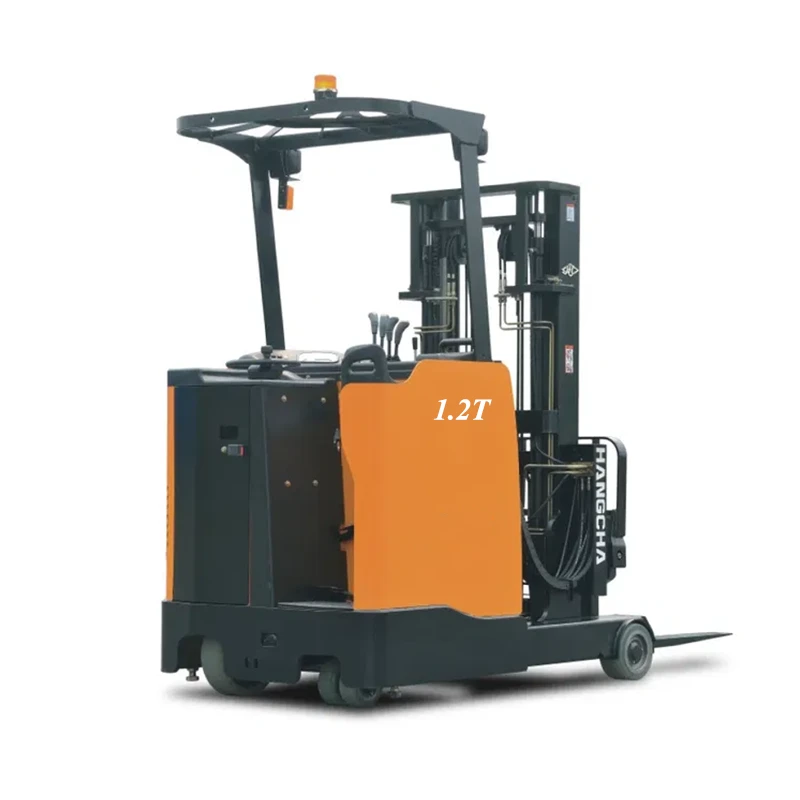
However, compared to single - stage masts, two - stage masts may slightly reduce operator visibility, especially when the inner section is fully extended. Also, as the lifting height increases, the overall height of the reach truck when the mast is fully retracted may be higher, which could be a consideration in warehouses with low - clearance doorways.
Three - Stage Mast
Three - stage masts are designed for high - density storage applications where the storage racks are very tall, often reaching 7 - 12 meters or more. They feature three telescopic sections that allow the forks to access the upper levels of the racking system.
The primary advantage of a three - stage mast is its ability to reach extreme heights. This makes it ideal for large - scale distribution centers, cold storage facilities, and other warehouses with high - rack storage. With a three - stage mast, you can maximize the vertical space in your warehouse, increasing storage capacity without expanding the floor area.
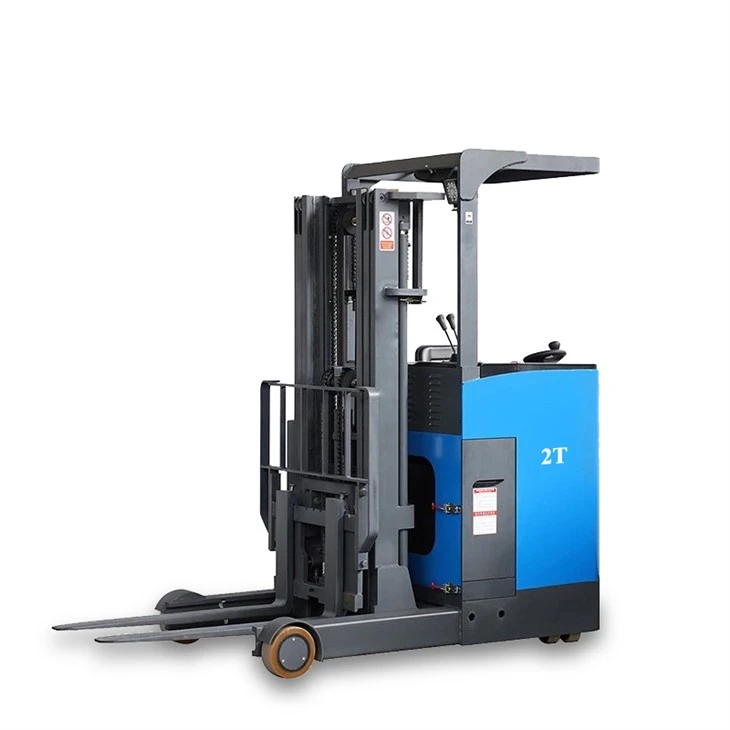
Despite their high - lifting capabilities, modern three - stage masts are designed to maintain good stability. Advanced hydraulic and control systems ensure smooth and precise lifting and lowering operations, even with heavy loads.
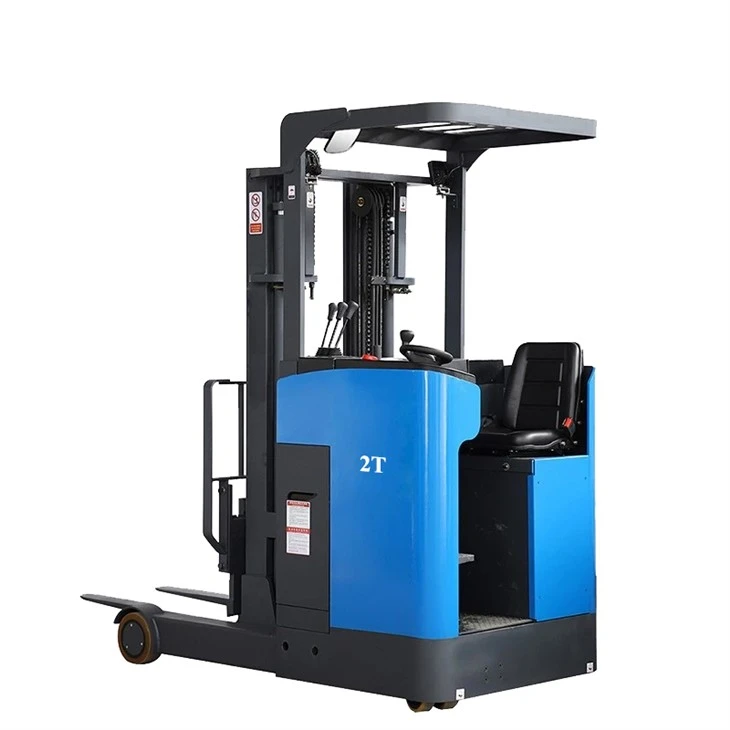
However, three - stage masts are more complex and expensive than single - stage and two - stage masts. The additional telescopic sections mean more moving parts, which can increase the risk of mechanical failures. Maintenance also requires more specialized knowledge and skills, and downtime for repairs may be longer. Moreover, operator visibility can be significantly reduced when the mast is fully extended, which requires careful training to ensure safe operation.
Duplex Mast
A duplex mast is a type of mast where the outer and inner sections move simultaneously. This design allows for a faster lifting speed compared to some other mast types. Duplex masts are commonly used in applications where high - speed pallet handling is required, such as in busy cross - docking operations or high - throughput warehouses.
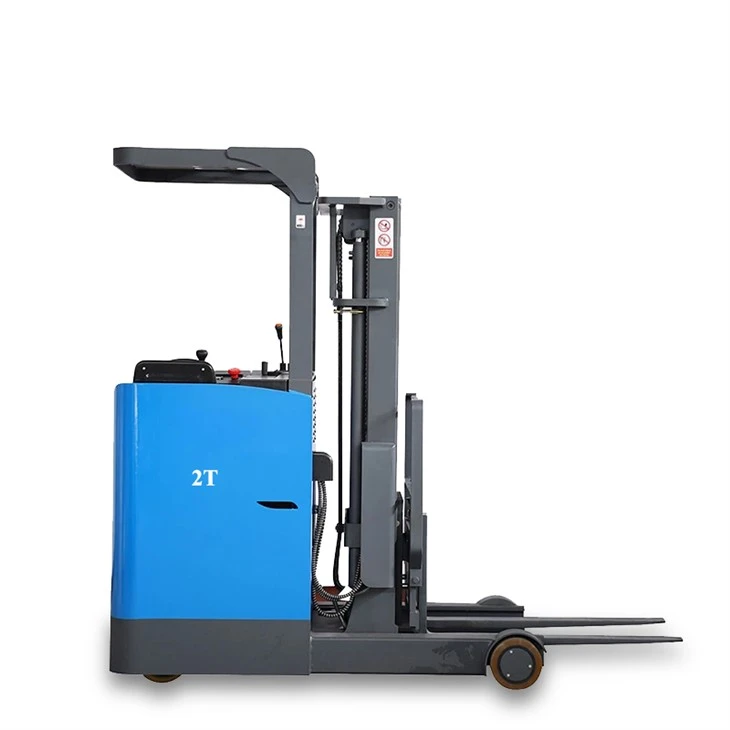
The simultaneous movement of the mast sections also provides good stability during lifting. Since both sections are moving in sync, the load remains balanced, reducing the risk of tipping.
One drawback of duplex masts is that they may have a slightly lower maximum lifting height compared to some multi - stage masts. Also, the complexity of the design can lead to higher maintenance costs.
Triplex Mast
A triplex mast is similar to a three - stage mast in terms of its ability to reach high heights. However, triplex masts are designed with a more complex telescopic system that allows for greater extension and retraction capabilities. They can often reach heights of 10 - 15 meters or more, making them suitable for the tallest warehouse racking systems.
Triplex masts are highly efficient in maximizing vertical storage space. They are commonly used in large - scale industrial warehouses, where every inch of vertical space is valuable.
On the downside, triplex masts are the most complex and expensive mast type. They require sophisticated hydraulic and control systems to operate smoothly, and maintenance can be a challenge. Operator training is also crucial to ensure safe and efficient use, as the high - lifting heights and complex operation can pose significant risks if not handled properly.
Choosing the Right Mast for Your Reach Truck
When selecting a reach truck mast, several factors need to be considered. First, you need to determine the maximum lifting height required in your warehouse. If you have low - to medium - height racking, a single - stage or two - stage mast may be sufficient. For high - rack storage, a three - stage, triplex, or other high - lifting mast type is necessary.
The load capacity is another important factor. Different mast types have different load - handling capabilities, and you need to ensure that the mast can safely lift the heaviest pallets in your operation.
Operational speed and efficiency are also key considerations. If you need to handle a large number of pallets quickly, a duplex mast or a mast with a fast - lifting design may be more suitable.
Visibility is crucial for operator safety. Masts with fewer telescopic sections generally offer better visibility, but if you need to reach high heights, you may have to accept some reduction in visibility and invest in proper operator training.
Our Reach Truck Offerings
As a reach truck supplier, we offer a wide range of reach trucks with different mast types to meet your specific needs. Our 2 Ton Electric Reach Truck is a versatile option suitable for medium - to heavy - duty applications. It is available with different mast configurations, including two - stage and three - stage masts, allowing you to choose the right lifting height for your warehouse.
For lighter - duty operations, our 1.2 Ton Stand Up Electric Reach and Reach Truck 1.2 Ton are excellent choices. These reach trucks are designed for easy maneuverability in narrow aisles and can be equipped with single - stage or two - stage masts depending on your storage requirements.
Conclusion
Choosing the right reach truck mast is a critical decision that can significantly impact the efficiency and productivity of your warehousing operations. By understanding the different types of reach truck masts, their features, and applications, you can make an informed choice that meets your specific needs. As a reach truck supplier, we are committed to providing high - quality reach trucks with the right mast configurations for your business. If you have any questions or need help in selecting the appropriate reach truck and mast for your operation, please don't hesitate to contact us for a detailed consultation and procurement discussion.
References
- Material Handling Equipment Handbook. McGraw - Hill Professional.
- Industrial Truck Association (ITA) Standards and Guidelines.