


Hey there! As a reach truck supplier, I've seen my fair share of issues that customers run into with these nifty machines. Reach trucks are super handy in warehouses and distribution centers, but like any piece of equipment, they come with their own set of common problems. Let's dive right in and take a look at what those might be.
Battery Issues
One of the most frequent problems we hear about is battery - related. Reach trucks rely heavily on their batteries to function, and a worn - out or malfunctioning battery can bring operations to a halt.
First off, battery life can be a major headache. If the battery doesn't hold a charge for long, it means more frequent charging breaks. This not only slows down the workflow but also increases the overall energy consumption. Sometimes, it's due to overcharging or undercharging. Overcharging can cause the battery to overheat and reduce its lifespan, while undercharging doesn't allow the battery to reach its full capacity.
Another battery problem is sulfation. This happens when lead - acid batteries are left in a partially charged state for too long. Sulfate crystals build up on the battery plates, which reduces the battery's ability to hold a charge. It's a real pain because it can't always be reversed, and you might end up having to replace the battery sooner than expected.
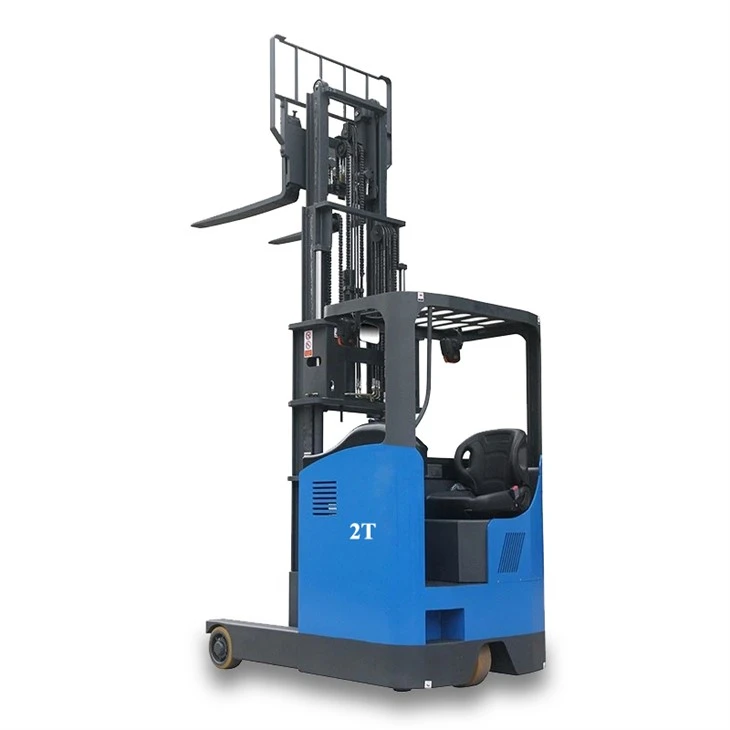
If you're looking for a reliable reach truck with a good battery system, check out our 2 Ton Large Reach Electric Forklift. It's designed to optimize battery usage and give you longer run times.
Hydraulic System Failures
The hydraulic system in reach trucks is crucial for lifting and lowering loads. When it fails, it can be a real disaster.
One common issue is hydraulic fluid leaks. These leaks can occur at the hoses, fittings, or even the hydraulic cylinders. A small leak might seem like no big deal at first, but over time, it can lead to a loss of hydraulic pressure. This means the reach truck won't be able to lift loads as smoothly or as high as it should.
Another problem is contaminated hydraulic fluid. Dirt, debris, or water can get into the fluid, which can damage the hydraulic pump, valves, and cylinders. Contaminated fluid can also cause the system to overheat, leading to more serious problems down the line.
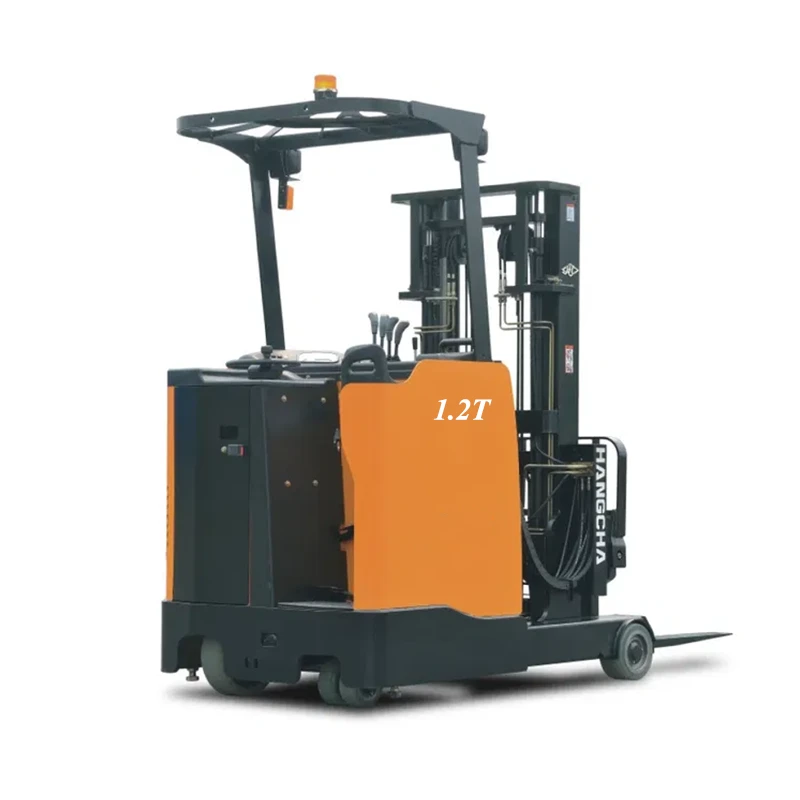
Regular maintenance of the hydraulic system is key to preventing these issues. We recommend checking the fluid levels and the condition of the hoses and fittings on a regular basis. Our 1.2 Ton Stand Up Electric Reach has a well - designed hydraulic system that's built to last, but proper care is still necessary.
Fork and Mast Problems
The forks and mast are the parts of the reach truck that actually interact with the loads. Any problems here can directly affect the safety and efficiency of the operation.
Fork damage is quite common. They can get bent, cracked, or worn down from regular use. Bent forks can make it difficult to pick up and stack loads properly, and cracked forks are a safety hazard. Worn - out forks might not be able to support the weight of the loads, which can lead to accidents.
Mast issues can also occur. The mast is responsible for raising and lowering the forks, and if it's not working correctly, it can cause the forks to tilt or not reach the desired height. This can be due to problems with the mast chains, rollers, or the hydraulic cylinders that control the mast movement.
To avoid these problems, it's important to inspect the forks and mast regularly. Look for signs of damage or wear and tear, and replace any parts that are no longer in good condition. Our Pedal Stand - up Reach Truck has high - quality forks and a robust mast system, but you still need to keep an eye on them.
Electrical System Glitches
Reach trucks have a complex electrical system that controls everything from the lights to the motor. Electrical glitches can be a real pain to diagnose and fix.
One common problem is loose or corroded electrical connections. Over time, the vibrations from the truck's operation can cause the connections to come loose. Corrosion can also occur, especially in humid environments. This can lead to intermittent power loss, which can make the truck behave erratically.
Another issue is faulty sensors. Reach trucks use sensors to detect things like load weight, mast position, and fork height. If a sensor is malfunctioning, it can give incorrect information to the control system, which can lead to unsafe operation.
It's important to have a professional electrician check the electrical system regularly. They can tighten the connections, clean any corrosion, and test the sensors to make sure they're working properly.
Operator Error
Believe it or not, a lot of the problems with reach trucks can be traced back to operator error. I've seen it time and time again.
Some operators might not be properly trained on how to use the reach truck. They might not know the correct way to lift and stack loads, which can put unnecessary stress on the machine. For example, if an operator tries to lift a load that's too heavy for the reach truck, it can damage the forks, the mast, and the hydraulic system.
Other operators might be in a hurry and not follow the proper safety procedures. They might not check the brakes, the steering, or the load before starting the truck. This can lead to accidents and damage to the reach truck.
We always recommend providing comprehensive training to all reach truck operators. It can save you a lot of headaches and money in the long run.
Wrapping Up
So, those are some of the common problems with reach trucks. As a reach truck supplier, we're here to help you avoid these issues. We offer high - quality reach trucks like the 2 Ton Large Reach Electric Forklift, 1.2 Ton Stand Up Electric Reach, and Pedal Stand - up Reach Truck.
If you're in the market for a reach truck or need help with maintenance and repairs, don't hesitate to reach out. We're here to work with you to find the best solution for your warehouse or distribution center needs. Let's talk and see how we can make your operations more efficient and hassle - free.
References
- Forklift Safety Manuals
- Industry Reports on Reach Truck Maintenance
- Manufacturer's Guides for Reach Trucks