


In a warehouse environment, forklifts are the workhorses that keep operations running smoothly. However, like any machinery, forklifts have a finite lifespan and will eventually need to be replaced. As a forklift replacement supplier, I've witnessed firsthand the impact that proper replacement practices can have on a warehouse's efficiency, safety, and bottom line. In this blog post, I'll share some of the best practices for forklift replacement in a warehouse setting.
1. Conduct a Comprehensive Assessment
Before making any decisions about forklift replacement, it's crucial to conduct a thorough assessment of your current forklift fleet and warehouse operations. This assessment should include the following aspects:
Usage Analysis
Determine how often each forklift is used, the types of tasks it performs, and the operating conditions it encounters. For example, forklifts used in high-traffic areas or for heavy-duty lifting may require more frequent replacement than those used for lighter tasks.
Condition Evaluation
Inspect each forklift for signs of wear and tear, damage, and mechanical issues. Consider factors such as the age of the forklift, its maintenance history, and the overall condition of its components. Forklifts with significant damage or outdated technology may be prime candidates for replacement.
Operational Requirements
Assess your warehouse's current and future operational requirements, including the volume of goods to be handled, the layout of the warehouse, and any specific tasks or challenges that need to be addressed. This will help you determine the type and capacity of forklifts that are best suited for your needs.
2. Set Clear Replacement Goals
Based on the results of your assessment, establish clear goals for your forklift replacement project. These goals should be specific, measurable, achievable, relevant, and time-bound (SMART). Some common goals for forklift replacement include:
Improving Efficiency
Replacing older, less efficient forklifts with newer models can significantly improve productivity and reduce operating costs. Newer forklifts often feature advanced technologies such as electric powertrains, automated controls, and improved ergonomics, which can increase lifting speeds, reduce downtime, and enhance operator comfort.
Enhancing Safety
Safety is a top priority in any warehouse environment. Replacing forklifts with outdated safety features or those that are prone to breakdowns can help reduce the risk of accidents and injuries. Newer forklifts are equipped with a range of safety features, such as anti-tip systems, collision avoidance sensors, and improved visibility, which can help prevent accidents and protect your employees and inventory.
Meeting Environmental Standards
As environmental concerns become increasingly important, many warehouses are looking to replace their diesel-powered forklifts with electric or hybrid models. Electric forklifts produce zero emissions, reduce noise pollution, and are more energy-efficient than their diesel counterparts, making them a more sustainable choice for your warehouse.
3. Research and Select the Right Forklifts
Once you have established your replacement goals, it's time to research and select the right forklifts for your warehouse. Consider the following factors when making your selection:
Type of Forklift
There are several types of forklifts available, each designed for specific applications and operating conditions. Some common types of forklifts include counterbalance forklifts, reach trucks, order pickers, and pallet jacks. Choose the type of forklift that is best suited for your warehouse's layout, the types of goods you handle, and your operational requirements.
Capacity and Performance
Determine the lifting capacity and performance requirements of your forklifts based on the weight and size of the goods you need to handle. Consider factors such as the maximum lift height, the load center, and the travel speed of the forklift. Make sure to choose forklifts that have the capacity and performance to meet your current and future needs.
Technology and Features
Look for forklifts that are equipped with the latest technologies and features to improve efficiency, safety, and productivity. Some advanced features to consider include electric powertrains, automated controls, telematics systems, and ergonomic designs. These features can help reduce operating costs, improve operator comfort, and enhance the overall performance of your forklift fleet.
Supplier Reputation and Support
Choose a reputable forklift supplier that has a proven track record of providing high-quality products and excellent customer service. Look for a supplier that offers a wide range of forklift models, parts, and services, as well as technical support and training. A reliable supplier can help you select the right forklifts for your needs, provide ongoing maintenance and support, and ensure that your forklift fleet operates smoothly and efficiently.
4. Develop a Replacement Plan
Once you have selected the right forklifts for your warehouse, it's time to develop a detailed replacement plan. This plan should include the following elements:
Timeline
Establish a realistic timeline for your forklift replacement project, taking into account factors such as the availability of the forklifts, the installation and commissioning process, and the training of your operators. Make sure to communicate the timeline to all relevant stakeholders, including your employees, suppliers, and customers.
Budget
Develop a comprehensive budget for your forklift replacement project, including the cost of the forklifts, installation, training, maintenance, and any other associated expenses. Make sure to factor in the potential savings in operating costs and productivity that you expect to achieve with the new forklifts. Consider financing options, such as leasing or financing, to help manage the cost of the replacement project.
Installation and Commissioning
Work with your forklift supplier to schedule the installation and commissioning of the new forklifts. Make sure to provide the supplier with all the necessary information about your warehouse, including the layout, the electrical and mechanical systems, and any other relevant details. The supplier should conduct a site survey to ensure that the forklifts can be installed safely and efficiently.
Operator Training
Provide comprehensive training to your operators on the operation, maintenance, and safety of the new forklifts. Make sure to follow the manufacturer's recommendations for training and certification. Training should include both classroom instruction and hands-on practice to ensure that your operators are proficient in operating the new forklifts.
5. Implement and Monitor the Replacement Project
Once your replacement plan is in place, it's time to implement the project and monitor its progress. Here are some key steps to take during the implementation phase:

Installation and Commissioning
Work closely with your forklift supplier to ensure that the installation and commissioning of the new forklifts are completed on time and to your satisfaction. Make sure to conduct a thorough inspection of the forklifts before they are put into service to ensure that they are in good working condition.
Operator Training
Provide your operators with the necessary training and support to ensure that they are comfortable and confident operating the new forklifts. Monitor their performance during the training period and provide feedback and coaching as needed. Make sure to schedule regular refresher training sessions to keep your operators up-to-date on the latest safety and operating procedures.
Maintenance and Support
Establish a regular maintenance schedule for your new forklifts to ensure that they are kept in good working condition. Work with your forklift supplier to develop a maintenance plan that includes routine inspections, lubrication, and replacement of worn parts. Make sure to keep detailed records of all maintenance and repairs to track the performance of your forklifts and identify any potential issues.
Performance Monitoring
Monitor the performance of your new forklifts on an ongoing basis to ensure that they are meeting your expectations. Track key performance indicators (KPIs) such as productivity, efficiency, safety, and maintenance costs. Use this data to identify any areas for improvement and make adjustments to your operations as needed.
6. Consider Forklift Parts Replacement
In addition to replacing old forklifts, it's also important to consider the replacement of forklift parts. Over time, forklift parts can wear out or become damaged, which can affect the performance and safety of the forklift. Here are some common forklift parts that may need to be replaced:
Gear Reduction Gearbox
The gear reduction gearbox is an important component of the forklift's transmission system. It helps to reduce the speed of the engine and increase the torque, allowing the forklift to lift heavy loads. Over time, the gears in the gearbox can wear out, which can cause the forklift to lose power or experience shifting problems. If you notice any signs of gearbox problems, such as unusual noises or vibrations, it's important to have the gearbox inspected and repaired or replaced as soon as possible.
Main Reducer
The main reducer is another critical component of the forklift's transmission system. It is responsible for reducing the speed of the engine and transferring the power to the wheels. Like the gear reduction gearbox, the main reducer can also wear out over time, which can cause the forklift to lose power or experience shifting problems. Regular maintenance and inspection of the main reducer can help to prevent costly repairs and downtime.
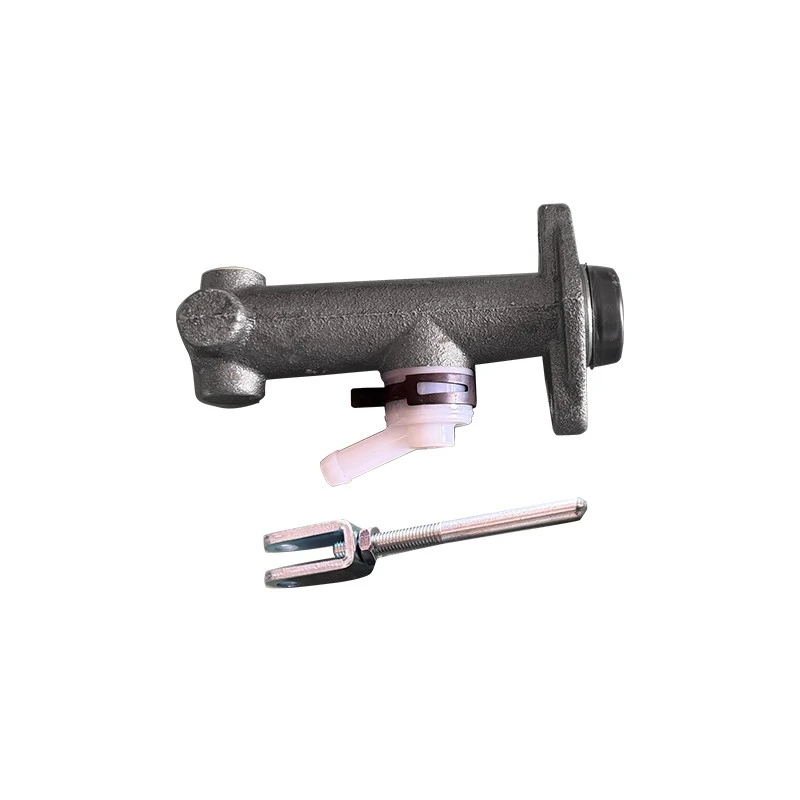
Forklift Brake Cylinder
The forklift brake cylinder is an important safety component that helps to stop the forklift when needed. Over time, the brake cylinder can become worn or damaged, which can affect the performance of the brakes. If you notice any signs of brake problems, such as a spongy brake pedal or a longer stopping distance, it's important to have the brake cylinder inspected and repaired or replaced as soon as possible.
Conclusion
Forklift replacement is a significant investment for any warehouse, but it can also provide significant benefits in terms of efficiency, safety, and productivity. By following these best practices, you can ensure that your forklift replacement project is successful and that your new forklifts meet your current and future needs. If you have any questions or need assistance with your forklift replacement project, please don't hesitate to contact us. We're here to help you make the right decisions and ensure that your warehouse operations run smoothly and efficiently.
References
- Material Handling Industry of America (MHIA). (2023). Forklift Safety Guidelines.
- Occupational Safety and Health Administration (OSHA). (2023). Powered Industrial Trucks Standards.
- Forklift Manufacturers' Association (FMA). (2023). Forklift Maintenance Best Practices.