


A pallet truck is an essential tool in warehouses, distribution centers, and various industrial settings. It simplifies the task of moving heavy pallets from one place to another. However, like any mechanical equipment, pallet trucks can sometimes encounter issues, and one of the most common problems is when it won't lift. As a trusted pallet trucks supplier, we understand the frustration this can cause and are here to guide you through the troubleshooting process.
1. Check the Power Source (For Electric Pallet Trucks)
If you're using a Walk Behind Electric Pallet Jack, the first thing to do is to check the power source. A dead or low - charged battery is often the culprit.
- Inspect the Battery Indicator: Most electric pallet trucks are equipped with a battery indicator. Check if the battery is fully charged or if it needs to be recharged. If the indicator shows a low charge, connect the charger to the battery and let it charge for the recommended time.
- Check the Battery Connections: Loose or corroded battery connections can prevent the pallet truck from getting power. Inspect the battery terminals and cables. If there is corrosion, clean it using a wire brush and a mixture of baking soda and water. Make sure the connections are tight.
- Test the Charger: If the battery doesn't seem to be charging properly, test the charger. You can use a multimeter to check if the charger is outputting the correct voltage. If the charger is faulty, replace it with a new one.
2. Examine the Hydraulic System (For Manual and Electric - Hydraulic Pallet Trucks)
The hydraulic system is responsible for lifting the forks of the pallet truck. Any issues with this system can lead to lifting problems.
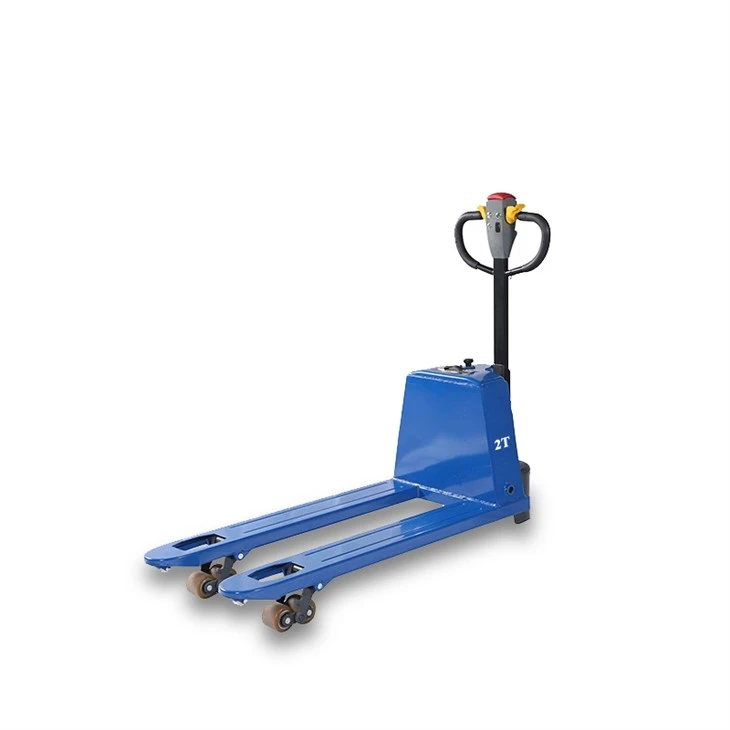

- Check the Hydraulic Fluid Level: Low hydraulic fluid can prevent the pallet truck from lifting properly. Locate the hydraulic fluid reservoir, usually on the side of the pump unit. Remove the cap and check the fluid level. If it's below the recommended level, add the appropriate hydraulic fluid. Make sure to use the fluid recommended by the manufacturer.
- Look for Hydraulic Leaks: Inspect the hydraulic hoses, fittings, and cylinders for any signs of leaks. A leak can cause a loss of hydraulic pressure, which will affect the lifting ability of the pallet truck. If you find a leak, tighten the fittings or replace the damaged hoses or seals.
- Test the Hydraulic Pump: The hydraulic pump is the heart of the hydraulic system. If the pump is not working correctly, the pallet truck won't lift. Operate the pump handle (for manual pallet trucks) or the lift button (for electric - hydraulic pallet trucks) and listen for any unusual noises. If the pump is making a loud or abnormal noise, it may be faulty and need to be repaired or replaced.
3. Inspect the Forks and Load
Sometimes, the problem may not be with the pallet truck itself but with the forks or the load.
- Check for Fork Damage: Examine the forks for any signs of bending, cracking, or other damage. Damaged forks can prevent the pallet truck from lifting the load properly. If the forks are damaged, they should be replaced immediately.
- Ensure Proper Load Placement: Make sure the load is evenly distributed on the forks. An unevenly loaded pallet can cause the pallet truck to tip or have difficulty lifting. Also, ensure that the load does not exceed the maximum weight capacity of the pallet truck. For example, our 2.5 Ton Manual Pallet Truck has a maximum capacity of 2.5 tons, and exceeding this limit can cause serious problems.
4. Check the Controls
The controls of the pallet truck are what allow you to operate it. Malfunctioning controls can lead to lifting issues.
- Test the Lift and Lower Controls: For electric pallet trucks, press the lift and lower buttons to see if they are working properly. For manual pallet trucks, operate the pump handle and the lowering valve. If the controls are not responding, there may be a problem with the wiring (for electric controls) or the mechanical linkage (for manual controls).
- Inspect the Control Cables and Wiring: Check the control cables and wiring for any signs of damage, such as cuts or fraying. If the cables or wiring are damaged, they should be repaired or replaced.
5. Examine the Wheels and Casters
The wheels and casters of the pallet truck play an important role in its operation. Problems with them can affect the lifting process.
- Check for Wheel Damage: Inspect the wheels and casters for any signs of wear, flat spots, or damage. Damaged wheels can cause the pallet truck to be unstable or have difficulty moving, which can in turn affect the lifting. If the wheels are damaged, replace them.
- Ensure Proper Wheel Alignment: Misaligned wheels can cause the pallet truck to pull to one side or have difficulty moving. Check the alignment of the wheels and adjust them if necessary.
6. Consider the Environment
The environment in which the pallet truck is used can also affect its performance.
- Check the Floor Surface: A rough, uneven, or slippery floor surface can make it difficult for the pallet truck to lift and move. Make sure the floor is clean, dry, and level. If the floor is damaged, repair it or move the pallet truck to a more suitable area.
- Temperature and Humidity: Extreme temperatures and high humidity can affect the performance of the pallet truck. In cold temperatures, the hydraulic fluid may thicken, which can reduce the lifting ability. In high humidity, corrosion may occur more quickly. Try to operate the pallet truck in a controlled environment whenever possible.
7. Consult the Manufacturer's Manual
If you've gone through all the above steps and still can't solve the problem, consult the manufacturer's manual. The manual contains detailed troubleshooting guides and specifications for your specific pallet truck model. It can provide valuable information on how to diagnose and fix the problem.
8. Seek Professional Help
If all else fails, it's time to seek professional help. Our team of experts at [our company] is always ready to assist you. We have extensive experience in repairing and maintaining pallet trucks and can quickly diagnose and fix any issues.
As a leading pallet trucks supplier, we offer a wide range of high - quality pallet trucks, including the Walk Behind Electric Pallet Jack, 2.5 Ton Manual Pallet Truck, and 7 Ton Large Tonnage Pallet Truck. If you're in the market for a new pallet truck or need to replace an old one, we can provide you with the best solutions to meet your needs.
Contact us if you have any questions about pallet truck troubleshooting, purchasing, or maintenance. Our dedicated sales team is eager to discuss your requirements and provide you with detailed product information and competitive pricing. Let's work together to ensure your warehouse operations run smoothly.
References
- Manufacturer's manuals of various pallet truck models
- Industry standards and guidelines for pallet truck maintenance and operation