


As a dedicated supplier of pallet trucks, I understand the critical role that proper fork alignment plays in the efficient and safe operation of these essential material handling tools. Incorrect fork alignment can lead to a host of issues, including reduced load stability, premature wear and tear on the equipment, and even potential safety hazards. In this blog post, I will share some valuable insights and practical tips on how to ensure the proper alignment of the forks on a pallet truck.
Understanding the Importance of Fork Alignment
Before delving into the alignment process, it's crucial to understand why proper fork alignment is so important. The forks of a pallet truck are designed to slide smoothly into the openings of pallets, providing a stable base for lifting and transporting heavy loads. When the forks are misaligned, they may not fit properly into the pallet openings, causing the load to shift or become unstable during lifting or movement. This can result in damage to the load, the pallet, or the pallet truck itself.
In addition to load stability, proper fork alignment also helps to prevent premature wear and tear on the pallet truck. Misaligned forks can put uneven stress on the lifting mechanism, wheels, and other components of the truck, leading to increased friction, reduced efficiency, and a shorter lifespan for the equipment. By ensuring that the forks are properly aligned, you can extend the life of your pallet truck and reduce the need for costly repairs and replacements.
Pre-Alignment Checks
Before attempting to align the forks on a pallet truck, it's important to perform a few pre-alignment checks to ensure that the truck is in good working condition. Here are some key steps to follow:
- Inspect the Forks: Check the forks for any signs of damage, such as cracks, bends, or excessive wear. If the forks are damaged, they should be replaced before attempting to align them.
- Check the Lifting Mechanism: Make sure that the lifting mechanism is functioning properly and that there are no leaks or other issues with the hydraulic system. If you notice any problems with the lifting mechanism, it should be repaired before proceeding with the alignment process.
- Verify the Wheel Alignment: Proper wheel alignment is essential for the smooth operation of a pallet truck. Check the wheels to make sure that they are properly aligned and that there is no excessive play or wobbling. If the wheels are misaligned, they should be adjusted or replaced as needed.
- Clean the Forks and Pallet Openings: Remove any dirt, debris, or other contaminants from the forks and the pallet openings. This will help to ensure a smooth fit between the forks and the pallets and prevent any interference during the alignment process.
Alignment Procedures
Once you have completed the pre-alignment checks, you can proceed with the actual alignment process. Here are some general steps to follow:
- Position the Pallet Truck: Park the pallet truck on a flat, level surface and make sure that the forks are fully lowered. This will provide a stable base for the alignment process.
- Measure the Fork Spacing: Use a measuring tape or other measuring tool to measure the distance between the outer edges of the forks. This measurement should match the width of the pallet openings that the forks will be used with. If the fork spacing is incorrect, you may need to adjust the position of the forks using the adjustment bolts or other adjustment mechanisms provided on the pallet truck.
- Check the Fork Height: Make sure that the forks are at the correct height for the pallets that they will be used with. The forks should be slightly higher than the bottom of the pallet openings to ensure a smooth fit. If the fork height is incorrect, you may need to adjust the lifting mechanism or the fork height adjustment settings on the pallet truck.
- Align the Forks Horizontally: Use a straightedge or other straight object to check the horizontal alignment of the forks. The forks should be parallel to each other and to the ground. If the forks are not aligned horizontally, you may need to adjust the position of the forks using the adjustment bolts or other adjustment mechanisms provided on the pallet truck.
- Align the Forks Vertically: Use a level or other leveling tool to check the vertical alignment of the forks. The forks should be level and perpendicular to the ground. If the forks are not aligned vertically, you may need to adjust the position of the forks using the adjustment bolts or other adjustment mechanisms provided on the pallet truck.
- Test the Alignment: Once you have completed the alignment process, test the pallet truck by inserting the forks into a pallet and lifting the load. Make sure that the forks fit smoothly into the pallet openings and that the load is stable during lifting and movement. If you notice any issues with the alignment, you may need to make further adjustments.
Maintenance and Regular Checks
Proper maintenance and regular checks are essential for ensuring the continued proper alignment of the forks on a pallet truck. Here are some key maintenance and check procedures to follow:
- Lubricate the Forks: Regularly lubricate the forks to prevent rust and corrosion and to ensure a smooth fit between the forks and the pallets. Use a high-quality lubricant that is specifically designed for use on pallet truck forks.
- Inspect the Forks Regularly: Check the forks for any signs of damage, wear, or misalignment on a regular basis. If you notice any issues, address them immediately to prevent further damage or safety hazards.
- Adjust the Forks as Needed: Over time, the forks on a pallet truck may become misaligned due to normal wear and tear or other factors. If you notice any signs of misalignment, such as difficulty inserting the forks into the pallets or uneven lifting of the load, adjust the forks as needed using the adjustment bolts or other adjustment mechanisms provided on the pallet truck.
- Train Operators Properly: Make sure that all operators of the pallet truck are properly trained on how to use the equipment safely and correctly. This includes proper fork alignment procedures, as well as other important safety and maintenance practices.
Our Pallet Truck Offerings
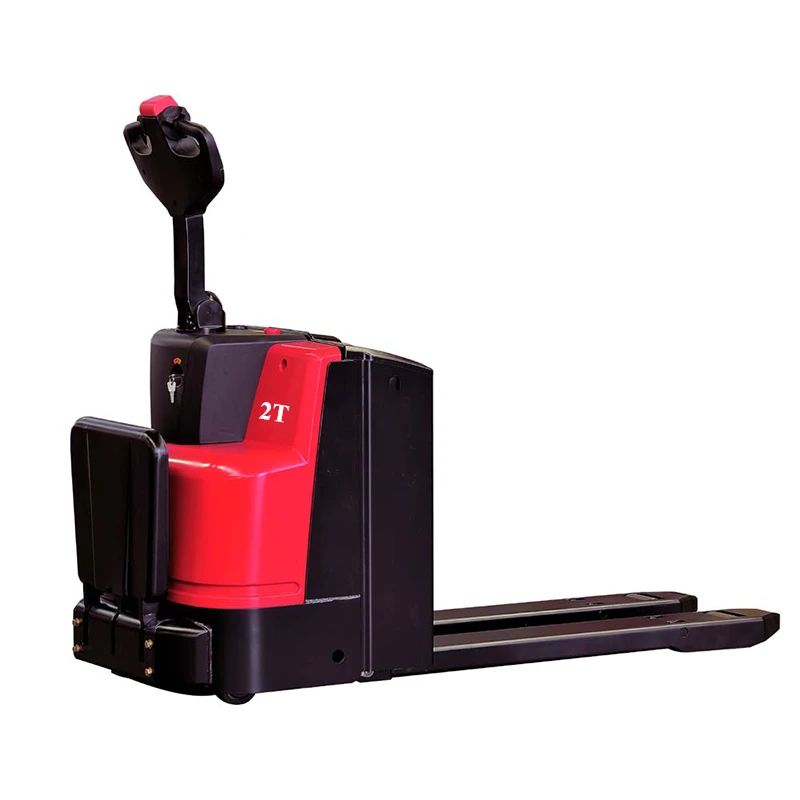
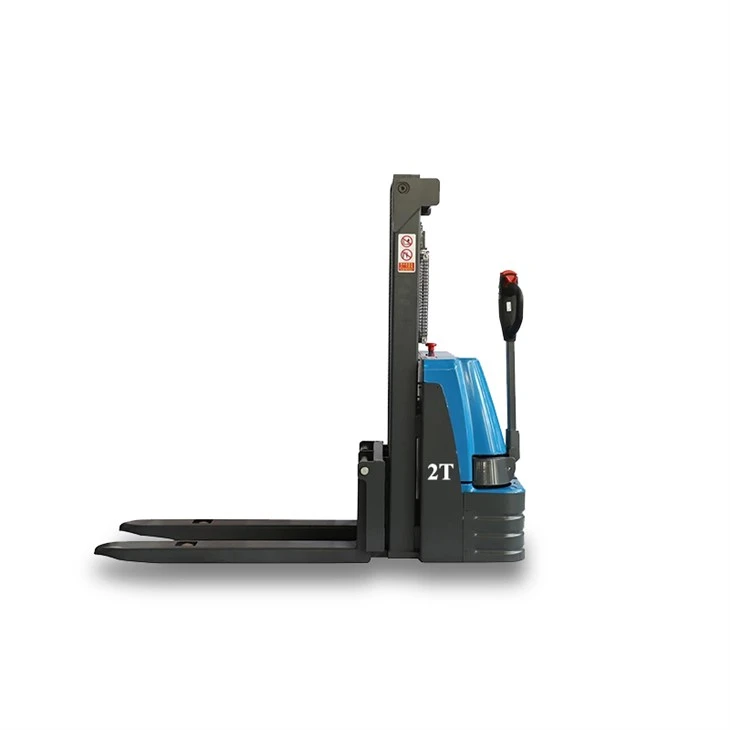
At our company, we offer a wide range of high-quality pallet trucks to meet the diverse needs of our customers. Our Electric Walk-behind Pallet Truck 2 Tons is a popular choice for many applications, offering a powerful electric motor, easy maneuverability, and a maximum load capacity of 2 tons. For heavier loads, our 2 Ton Electric Transporter provides a reliable and efficient solution, while our 8 Ton Large Tonnage Transporter is designed for the most demanding industrial applications.
Contact Us for Procurement
If you are in the market for a new pallet truck or need assistance with fork alignment or other maintenance issues, we would be happy to help. Our team of experts has extensive experience in the material handling industry and can provide you with the guidance and support you need to make the right decision for your business. Contact us today to learn more about our products and services and to discuss your specific requirements.
References
- "Pallet Truck Maintenance Guide," Material Handling Industry of America.
- "Forklift Safety Manual," Occupational Safety and Health Administration.
- "Proper Fork Alignment for Pallet Trucks," Industrial Equipment News.