


Selecting the appropriate wheels for a pallet truck is a crucial decision that can significantly impact its performance, durability, and overall efficiency in a warehouse or industrial setting. As a leading supplier of pallet trucks, we understand the importance of matching the right wheels to the specific requirements of your application. In this blog post, we will guide you through the key factors to consider when choosing the right wheels for your pallet truck, ensuring that you make an informed decision that meets your needs and budget.
1. Load Capacity
The first and most important factor to consider when choosing wheels for a pallet truck is the load capacity. The wheels must be able to support the weight of the pallet and its contents without failing or causing excessive wear and tear. You need to determine the maximum load that your pallet truck will typically carry and select wheels with a load capacity that exceeds this weight. For example, if you frequently handle pallets weighing up to 2 tons, you should choose wheels that are rated for at least 2.5 tons or more.
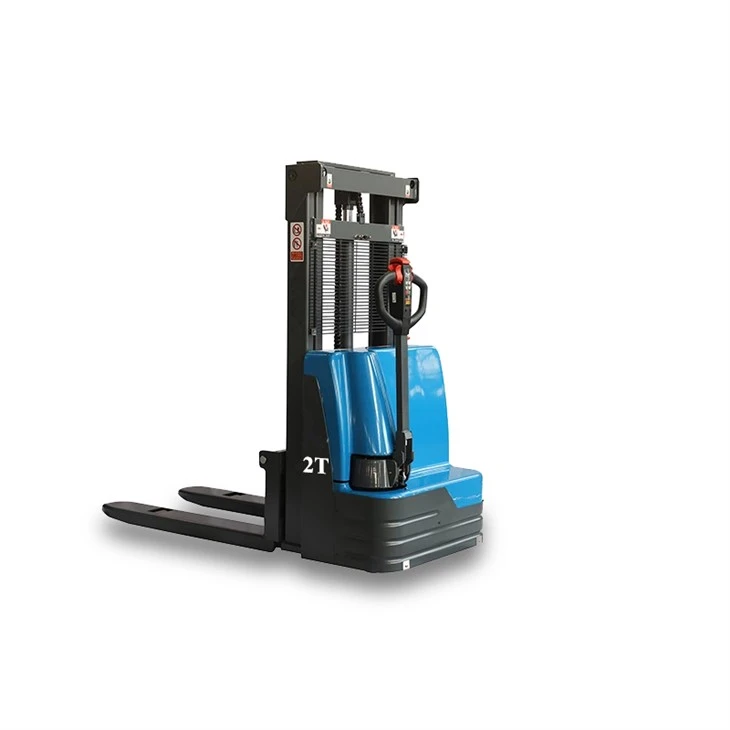
As a supplier, we offer a wide range of pallet trucks with different load capacities, including the Electric Walk - behind Pallet Truck 2 Tons. This electric pallet truck is designed to handle heavy loads with ease, and when selecting wheels for it, you must ensure that they can handle the stress of a 2 - ton load. Similarly, our 2.5 Ton Manual Pallet Truck and 3 Ton Pallet Truck require wheels that are appropriately rated for their respective load capacities.
2. Floor Surface
The type of floor surface in your warehouse or industrial environment is another critical factor in wheel selection. Different floor surfaces have different characteristics, such as smoothness, hardness, and texture, which can affect the performance and lifespan of the wheels.
- Smooth Concrete Floors: For smooth concrete floors, polyurethane or nylon wheels are often a good choice. Polyurethane wheels offer excellent shock absorption, low rolling resistance, and are resistant to abrasion and chemicals. Nylon wheels are also durable and have a low coefficient of friction, making them easy to maneuver.
- Rough or Uneven Floors: If your floors are rough, uneven, or have debris, rubber or pneumatic wheels are more suitable. Rubber wheels provide good traction and can absorb shocks and vibrations, while pneumatic wheels, similar to those on a bicycle, have air - filled tires that offer superior cushioning and can handle rough terrain better.
3. Maneuverability
The ease of maneuvering the pallet truck is essential for efficient operation. Wheels with a small turning radius and low rolling resistance are ideal for tight spaces and frequent direction changes. Swivel wheels are a great option for improving maneuverability, as they allow the pallet truck to turn easily in any direction.
For example, in a busy warehouse with narrow aisles, you need wheels that can quickly and smoothly navigate through the space. Our electric walk - behind pallet trucks are designed with maneuverability in mind, and the right choice of wheels can further enhance this feature.
4. Chemical Resistance
In some industrial settings, the pallet truck may come into contact with various chemicals, such as cleaning agents or solvents. In these cases, it is important to choose wheels that are resistant to chemical damage. Polyurethane and nylon wheels are generally more resistant to chemicals compared to rubber wheels.
If your workplace involves handling or storing chemicals, make sure to select wheels that can withstand the exposure to these substances without deteriorating or losing their performance.
5. Temperature and Environment
The operating temperature and environment can also affect the performance of the wheels. Extreme temperatures, whether hot or cold, can cause the wheels to expand or contract, which may lead to premature wear or failure.
- Cold Environments: In cold environments, such as freezers, special cold - resistant wheels are required. These wheels are designed to maintain their flexibility and performance at low temperatures.
- Hot Environments: In hot environments, wheels made from materials that can withstand high temperatures, such as certain types of polyurethane, should be selected.
6. Speed and Traffic
The speed at which the pallet truck will be operated and the level of traffic in the area are additional factors to consider. Higher speeds and heavy traffic can put more stress on the wheels, so wheels with good durability and shock - absorbing capabilities are necessary.
If your operations involve fast - paced movement of pallets in a busy warehouse, you need wheels that can keep up with the demands and withstand the impact of regular use.

7. Cost
Cost is always a consideration when making any purchasing decision. While it may be tempting to opt for the cheapest wheels, it is important to balance cost with quality and performance. Investing in high - quality wheels may initially cost more but can save you money in the long run by reducing maintenance and replacement costs.
Our company offers a variety of wheel options at different price points, allowing you to choose the ones that best fit your budget without compromising on essential features.
Conclusion
Choosing the right wheels for your pallet truck is a multi - faceted decision that requires careful consideration of load capacity, floor surface, maneuverability, chemical resistance, temperature and environment, speed and traffic, and cost. At our company, as a leading supplier of pallet trucks, we are committed to providing you with the best options and advice to ensure that you get the most suitable wheels for your specific needs.
If you are unsure which wheels are right for your pallet truck or have any other questions regarding our products, we encourage you to contact us for a detailed consultation. Our team of experts is ready to assist you in making the right choice and can provide you with all the necessary information to facilitate your purchase. Let's work together to enhance the performance and efficiency of your material handling operations.
References
- Industrial Wheel and Caster Association (IWCA) Handbook
- Material Handling Equipment Manufacturers Association (MHEMA) Guidelines
- Research papers on pallet truck wheel performance and selection from relevant industry journals.