


Hey there! As a supplier of electric small tractors, I've gotten tons of questions about how the overall reliability of these nifty machines stacks up against other models. So, I thought I'd sit down and break it all down for you in this blog post.
Let's start by talking about what reliability really means in the context of tractors. For me, it boils down to three main things: durability, performance consistency, and ease of maintenance.
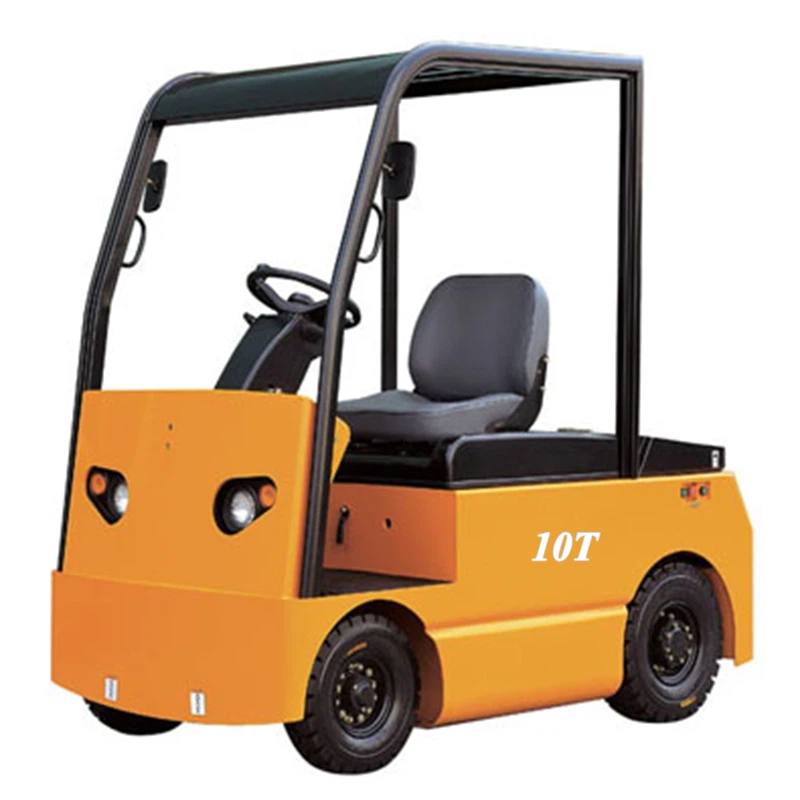
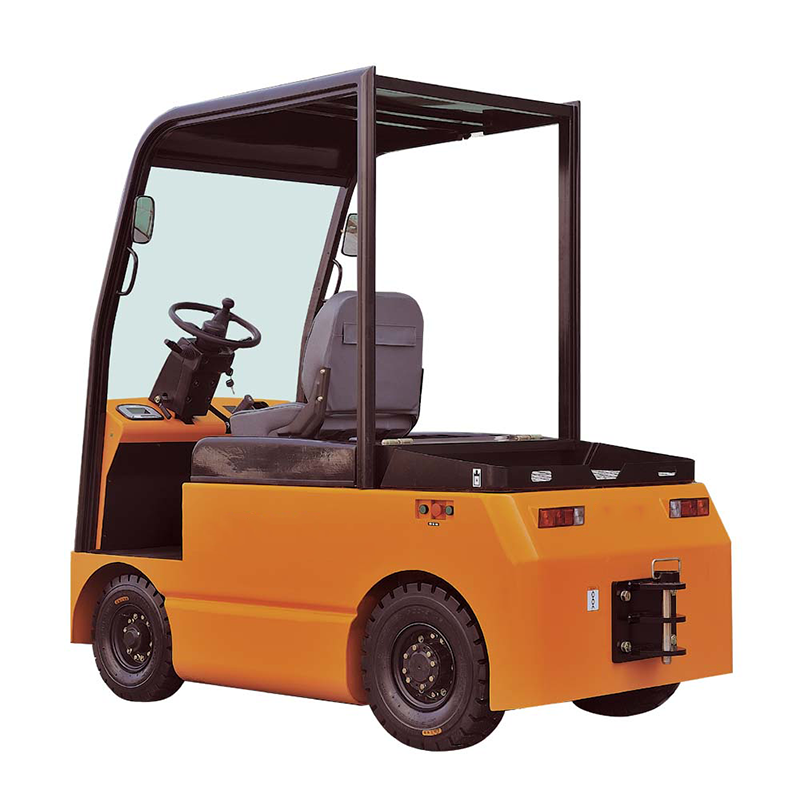
Durability is all about how well a tractor can stand up to the rigors of daily use. Electric small tractors have a leg up here because they have fewer moving parts compared to their diesel or gasoline counterparts. With fewer parts, there are fewer things that can go wrong. Take, for example, the internal combustion engines in traditional tractors. They've got pistons, valves, and a whole bunch of other components that are constantly rubbing against each other, wearing down over time. Electric motors, on the other hand, are much simpler. They have a rotor and a stator, and that's pretty much it. This simplicity means there's less chance of mechanical failure, which translates to a longer lifespan for the tractor.
Another aspect of durability is the battery. The battery is the heart of an electric small tractor, and modern lithium - ion batteries are incredibly robust. They can handle hundreds, if not thousands, of charge - discharge cycles. Of course, proper charging and maintenance are key, but when you take good care of them, these batteries can last for years.
Performance consistency is also a big deal. You want a tractor that can perform the same way day in and day out. Electric small tractors are great in this regard because they deliver a consistent amount of power. Unlike combustion engines, which can be affected by factors like temperature, altitude, and fuel quality, electric motors provide a steady torque output. Whether it's early in the morning or in the heat of the afternoon, you can count on your electric tractor to pull its weight.
Let's say you're using a tractor to move heavy loads around a warehouse. With an electric small tractor, you don't have to worry about the engine losing power as it gets hot or having to adjust for different fuel grades. It'll just keep chugging along at a reliable pace.
Now, let's talk about ease of maintenance. I've said it before, but it bears repeating: fewer moving parts mean less maintenance. When you have an electric small tractor, you don't have to deal with oil changes, spark plug replacements, or complex fuel injection systems. All you really need to do is keep an eye on the battery, make sure the tires are properly inflated, and lubricate the moving parts (which, again, are few in number).
Compare that to a diesel tractor. You've got to change the oil regularly, clean or replace the air filters, and deal with the exhaust system. And if something goes wrong with the engine, it can be a real headache to diagnose and fix. With an electric tractor, troubleshooting is usually much simpler. Most modern electric tractors come with diagnostic systems that can quickly tell you if there's a problem with the battery, motor, or other components.
But how do electric small tractors compare to other specific models? Let's take a look at some larger - tonnage tractors. For instance, the 20 Ton Car Type Tractor and the 25 Ton Car Type Tonnage Tractor. These larger tractors are built for heavy - duty work, but they also come with their own set of challenges.
The larger the tractor, the more complex the mechanical systems can be. And while they may have more power, they also consume more energy and require more maintenance. Electric small tractors, on the other hand, are designed for more light - to - medium - duty tasks. They're more nimble, easier to maneuver in tight spaces, and generally more cost - effective to operate.
What about stability? The 10 Ton Electric Tractor Stability is a great example of how electric tractors can offer good stability. Even though they're smaller in size, modern electric small tractors are engineered with stability in mind. They have low - center - of - gravity designs, which helps prevent tipping over when carrying loads. And with advanced traction control systems, they can maintain a good grip on the ground, whether it's a smooth warehouse floor or an uneven outdoor surface.
Now, I know some of you might be thinking, "But what about the range? Won't an electric tractor run out of juice quickly?" Well, it's true that the range of an electric small tractor depends on the battery capacity and the load it's carrying. But with advancements in battery technology, many electric tractors can now operate for a full shift on a single charge. And if you need more runtime, you can always swap out the battery for a fully - charged one.
In addition, electric tractors are much quieter than their combustion - engine counterparts. This is a huge advantage if you're working in a noise - sensitive environment, like a hospital or a residential area. You won't have to worry about disturbing people with the loud rumble of a diesel engine.
So, in conclusion, the overall reliability of an electric small tractor is pretty impressive when compared to other models. They offer better durability, consistent performance, and easier maintenance. Whether you're a small business owner looking for a cost - effective way to move goods around your premises or a large company in need of a reliable fleet of tractors, electric small tractors are definitely worth considering.
If you're interested in learning more about our electric small tractors or have any questions about how they can fit into your operations, I'd love to hear from you. Just reach out, and we can start a conversation about how these reliable machines can work for you. Let's talk about how we can get you the right tractor for your needs and help you take your business to the next level.
References
- Industry reports on tractor reliability
- Manufacturer specifications for electric and combustion - engine tractors
- User testimonials and case studies on tractor performance