


In the realm of agricultural and industrial machinery, tractors play a pivotal role. The choice between an electric small tractor and a diesel - powered one is a decision that many farmers, small - scale industrial operators, and even large - scale enterprises face. As a supplier of electric small tractors, I am well - versed in the intricacies of both types of tractors and can provide a detailed comparison of their performance.
Power and Torque
Diesel - powered small tractors have long been the workhorses in the industry. Diesel engines are known for their high torque output, especially at low RPMs. This characteristic makes them extremely effective for heavy - duty tasks such as plowing large fields, pulling heavy trailers, or operating power - hungry implements. The combustion process in a diesel engine is more efficient in converting fuel energy into mechanical energy, which results in a significant amount of pulling power. For example, in a large - scale farming operation where deep tilling is required, a diesel tractor can easily handle the resistance from the soil with its robust torque.
On the other hand, electric small tractors are catching up rapidly. Modern electric motors can deliver instant torque from the moment they start. This means that an electric tractor can quickly reach its maximum pulling force, providing a responsive performance. For tasks that require quick starts and stops, like moving pallets in a warehouse or performing short - distance towing, the instant torque of an electric tractor can be a major advantage. Although the overall torque of an electric small tractor may not be as high as that of a large - displacement diesel tractor, it is more than sufficient for many light - to - medium - duty applications. For instance, a Compact Electric Tractor is perfect for small - scale gardening or small - farm operations where agility and quick response are more important than brute force.
Fuel Efficiency and Operating Costs
Diesel fuel has been a reliable energy source for tractors for decades. However, its price can be volatile, and the cost of fuel can add up significantly over time. Diesel engines also require regular maintenance, including oil changes, filter replacements, and fuel system servicing. These maintenance tasks not only incur costs but also take time, which can lead to downtime for the tractor.
Electric small tractors, in contrast, have much lower operating costs. Electricity is generally cheaper than diesel fuel, especially when considering off - peak electricity rates. Additionally, electric motors have fewer moving parts compared to diesel engines. This means that there are fewer components that can wear out or break down, resulting in lower maintenance requirements. For example, there is no need for oil changes or complex fuel injection system maintenance. The long - term savings on fuel and maintenance can be substantial. A study by the Agricultural Machinery Research Institute showed that over a five - year period, the operating costs of an electric small tractor can be up to 40% lower than those of a diesel - powered one.
Environmental Impact
One of the most significant advantages of electric small tractors is their environmental friendliness. Diesel engines emit a variety of pollutants, including particulate matter, nitrogen oxides (NOx), and carbon monoxide (CO). These emissions contribute to air pollution, smog, and have a negative impact on human health. In addition, diesel is a fossil fuel, and its combustion releases large amounts of carbon dioxide (CO₂), contributing to global warming.
Electric tractors produce zero tailpipe emissions. When the electricity used to charge the tractor comes from renewable sources such as solar, wind, or hydro power, the environmental impact is further reduced. This makes electric tractors an ideal choice for environmentally - conscious farmers and industrial operators. For example, in areas with strict environmental regulations, using an electric tractor can help businesses avoid fines and meet sustainability goals. A 10 Ton Electric Tractor Stability can operate in urban areas or environmentally sensitive zones without causing air pollution.
Noise and Vibration
Diesel engines are known for their loud noise and significant vibration levels. The noise can be a nuisance, especially in residential areas or during early morning or late - evening operations. Prolonged exposure to high - level noise can also cause hearing damage to operators. The vibration from a diesel engine can also lead to operator fatigue and discomfort, which may affect productivity over long working hours.
Electric small tractors are much quieter and produce less vibration. The smooth operation of an electric motor provides a more comfortable working environment for the operator. This can lead to increased productivity as operators are less likely to experience fatigue. In applications such as indoor material handling or in noise - sensitive areas, the quiet operation of an electric tractor is a major advantage. An Electric Compact Car Tractor can be used in a car dealership or a storage facility without disturbing the surrounding environment.
Range and Recharging
One of the main concerns with electric small tractors is their range. Diesel - powered tractors can typically cover long distances without refueling, as diesel fuel has a high energy density. They can operate continuously for several hours or even a full day, depending on the size of the fuel tank.

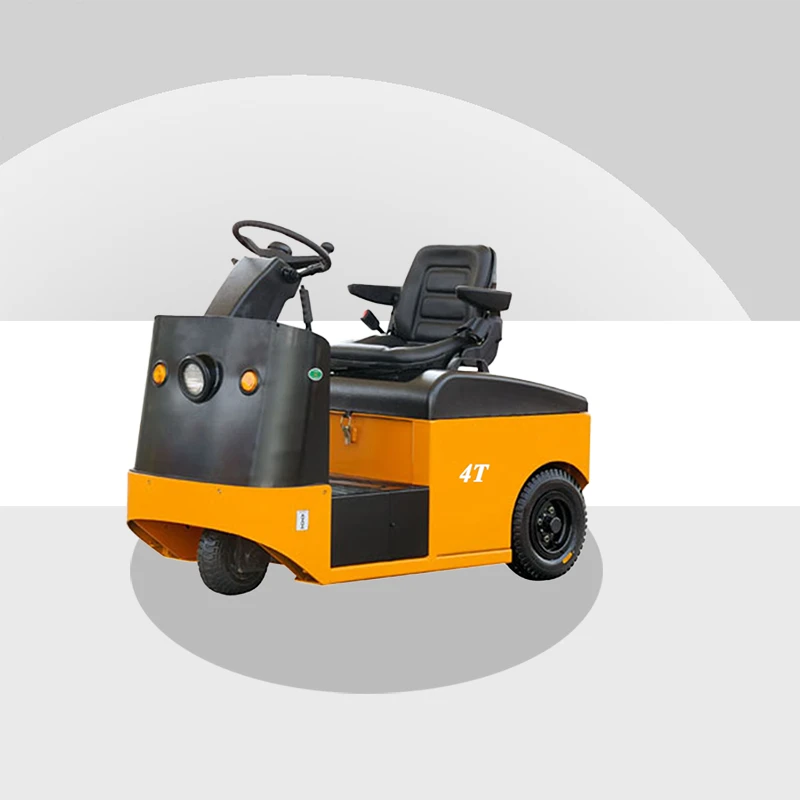
Electric tractors, however, are limited by the capacity of their batteries. The range of an electric tractor depends on factors such as the battery size, the load it is carrying, and the operating conditions. For light - duty applications, the range of an electric tractor is often sufficient. For example, a small - scale farmer who only needs to operate the tractor within a few acres of land may not be affected by the limited range. However, for large - scale operations or long - distance towing, the range can be a drawback.
Recharging an electric tractor also takes time. Unlike refueling a diesel tractor, which can be done in a matter of minutes, charging an electric tractor can take several hours, depending on the charging method. However, advancements in battery technology are constantly improving the range and charging times of electric tractors. Fast - charging stations are becoming more common, which can significantly reduce the charging time.
Maneuverability
Both electric and diesel small tractors can offer good maneuverability, but electric tractors often have an edge. Electric motors can be more precisely controlled, allowing for better steering and speed regulation. The compact design of many electric small tractors also contributes to their maneuverability. They can easily navigate through narrow passages, tight corners, and small spaces. This makes them suitable for applications such as vineyard management or small - scale construction sites where space is limited.
In conclusion, both electric small tractors and diesel - powered ones have their own advantages and disadvantages. Diesel tractors are still the go - to choice for heavy - duty, long - distance, and high - torque applications. However, electric small tractors are making significant inroads in the market, especially for light - to - medium - duty tasks, indoor operations, and environmentally - conscious users.
If you are considering purchasing a small tractor, I encourage you to carefully evaluate your specific needs and requirements. Whether you prioritize power, fuel efficiency, environmental impact, or maneuverability, there is a tractor that can meet your needs. As a supplier of electric small tractors, I am dedicated to providing high - quality products and excellent customer service. If you are interested in learning more about our electric small tractors or would like to discuss your specific requirements, please feel free to contact me for a detailed consultation and to start the procurement negotiation process.
References
- Agricultural Machinery Research Institute. “Comparison of Operating Costs between Electric and Diesel Tractors.” Journal of Agricultural Machinery, 2022.
- International Energy Agency. “Renewable Energy Outlook.” 2023.
- World Health Organization. “Air Quality Guidelines for Particulate Matter, Ozone, Nitrogen Dioxide and Sulfur Dioxide.” 2021.