


As a trusted reach truck supplier, I've had the privilege of witnessing the evolution of these remarkable machines. Reach trucks are essential in warehouses and distribution centers, offering high maneuverability and the ability to reach great heights. One of the most critical components of a reach truck is its steering system, which significantly impacts the vehicle's performance, safety, and operator comfort. In this blog, I'll delve into the workings of a reach truck's steering system, explaining the key components and how they interact to provide precise control.
Basic Structure of a Reach Truck Steering System
The steering system of a reach truck is designed to allow the operator to control the direction of the vehicle accurately. It consists of several key components, each with a specific function. The main parts of a reach truck steering system include the steering wheel, steering column, steering gear, steering linkage, and the wheels.
The steering wheel is the primary interface between the operator and the steering system. When the operator turns the steering wheel, this rotational motion is transmitted through the steering column to the steering gear. The steering column is a shaft that connects the steering wheel to the steering gear, allowing the rotational force to be transferred efficiently.
The steering gear is a crucial component that converts the rotational motion from the steering wheel into linear motion. There are different types of steering gears used in reach trucks, with the most common being the rack - and - pinion system and the recirculating ball system.
In a rack - and - pinion steering gear, the pinion gear is attached to the end of the steering column. As the steering wheel is turned, the pinion gear rotates and engages with the rack, which is a long, flat bar with teeth. The rotation of the pinion causes the rack to move linearly. This linear motion is then transferred to the steering linkage, which is responsible for turning the wheels.
The recirculating ball steering gear, on the other hand, uses a worm gear and a ball nut. The worm gear is connected to the steering column, and as it rotates, it moves the ball nut along the worm. The balls inside the nut recirculate in a closed path, reducing friction and allowing for smooth operation. The linear motion of the ball nut is then transferred to the steering linkage.
The steering linkage consists of various rods and joints that connect the steering gear to the wheels. The most common type of steering linkage in reach trucks is the tie - rod system. The tie - rods are connected to the steering knuckles, which are part of the wheel assemblies. When the steering gear moves the tie - rods, the steering knuckles pivot, causing the wheels to turn.
Hydraulic Assistance in Reach Truck Steering
Many modern reach trucks are equipped with hydraulic steering assistance systems. Hydraulic steering provides several advantages, including reduced operator effort, improved steering precision, and better control, especially at low speeds.
A hydraulic steering system consists of a hydraulic pump, a control valve, hydraulic cylinders, and a reservoir. The hydraulic pump is typically driven by the reach truck's engine or electric motor. It draws hydraulic fluid from the reservoir and pressurizes it.
The control valve is connected to the steering gear. When the operator turns the steering wheel, the control valve directs the pressurized hydraulic fluid to the appropriate side of the hydraulic cylinder. The hydraulic cylinder is connected to the steering linkage. The force generated by the hydraulic fluid in the cylinder assists the operator in turning the wheels.
For example, when the operator turns the steering wheel to the right, the control valve sends pressurized fluid to the left side of the hydraulic cylinder. This causes the piston in the cylinder to move, which in turn moves the steering linkage and turns the wheels to the right. The amount of hydraulic assistance can be adjusted based on the speed of the reach truck and the steering input from the operator.
Electric Power Steering in Reach Trucks
In recent years, electric power steering (EPS) has become increasingly popular in reach trucks. EPS systems offer several benefits over traditional hydraulic systems, including improved energy efficiency, reduced maintenance requirements, and enhanced control.
An electric power steering system consists of an electric motor, a control unit, and sensors. The sensors, such as the steering angle sensor and the torque sensor, detect the position and force applied to the steering wheel. The control unit processes the information from the sensors and determines the amount of assistance required.
Based on the input from the sensors, the control unit sends a signal to the electric motor. The electric motor then provides the necessary torque to assist the operator in turning the steering wheel. The electric motor is directly connected to the steering column or the steering gear, depending on the design of the EPS system.
One of the advantages of EPS is its ability to adjust the level of assistance based on various factors, such as the speed of the reach truck. At low speeds, the EPS system can provide more assistance, making it easier for the operator to maneuver the vehicle in tight spaces. At higher speeds, the system can reduce the level of assistance to provide more stability and feedback to the operator.
Importance of a Well - Functioning Steering System
A properly functioning steering system is crucial for the safe and efficient operation of a reach truck. Precise steering control allows the operator to navigate through narrow aisles, position the forks accurately, and avoid collisions with other objects in the warehouse.
A faulty steering system can lead to several problems, including difficulty in turning the wheels, excessive play in the steering wheel, and uneven tire wear. These issues not only affect the performance of the reach truck but also pose a safety risk to the operator and other workers in the area.
Regular maintenance of the steering system is essential to ensure its proper functioning. This includes checking the steering fluid level (if applicable), inspecting the steering components for wear and damage, and lubricating the moving parts.
Our Reach Truck Offerings
As a reach truck supplier, we offer a wide range of high - quality reach trucks to meet the diverse needs of our customers. Our 1.5 Ton Large Reach Electric Forklift is designed for heavy - duty applications, providing excellent lifting capacity and maneuverability. The advanced steering system in this model ensures precise control, even when handling large loads.
For those with medium - sized operations, our 2 Ton Electric Reach Truck is an ideal choice. It combines power and efficiency, with a state - of - the - art steering system that makes it easy to operate in confined spaces.
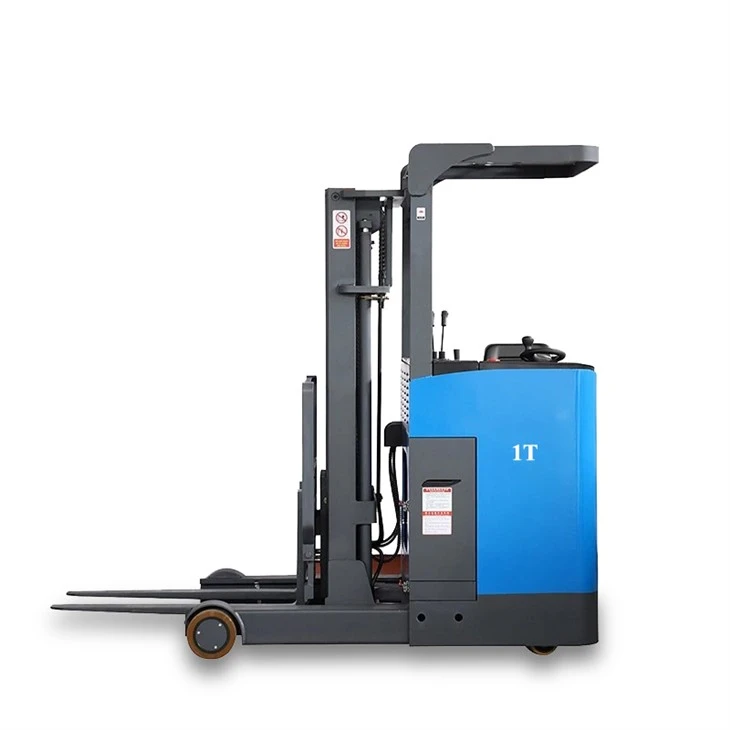
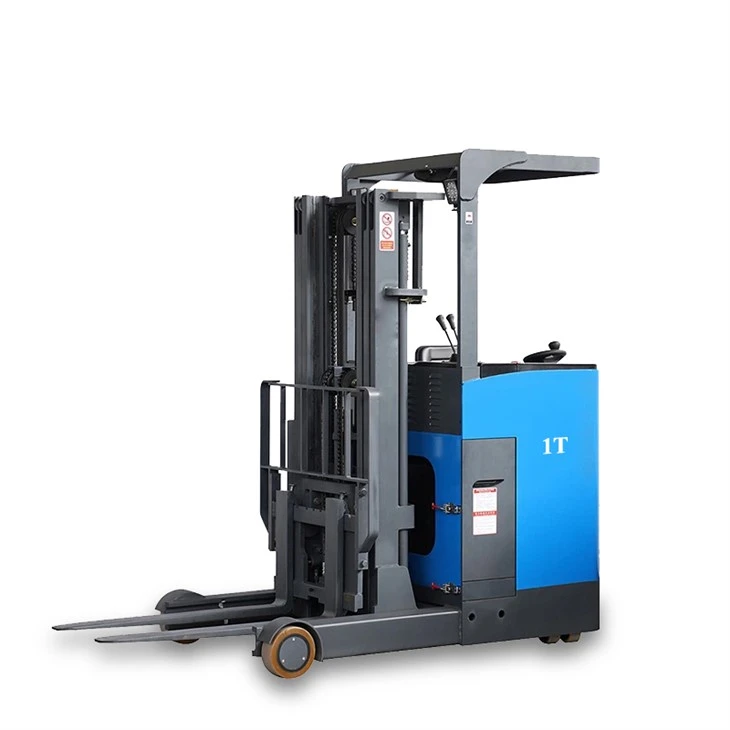
If you have lighter load requirements, our 1 Ton Electric Reach Truck offers a cost - effective solution. Despite its compact size, it features a reliable steering system that provides smooth and responsive steering.
Contact Us for Reach Truck Procurement
If you're in the market for a reach truck, our team of experts is ready to assist you. We can provide detailed information about our products, help you choose the right reach truck for your specific needs, and offer competitive pricing. Whether you're looking for a reach truck with a traditional hydraulic steering system or the latest electric power steering technology, we have the solutions you need.
Don't hesitate to contact us to start the procurement process. We're committed to providing you with the best reach trucks and excellent customer service.
References
- "Forklift Truck Handbook" by David Lowndes
- "Industrial Vehicle Technology" by various authors in the field of material handling
- Technical manuals from reach truck manufacturers