


As a supplier of reach trucks, I've witnessed firsthand the critical role that mast extension plays in the overall performance and safety of these versatile machines. Reach trucks are designed to operate in narrow aisles, offering exceptional maneuverability and the ability to handle loads at various heights. However, the extension of the mast can significantly impact the truck's stability, which is a crucial consideration for both operators and warehouse managers. In this blog post, I'll delve into the science behind how a reach truck's mast extension affects its stability and provide insights to help you make informed decisions when choosing and operating these vehicles.
Understanding the Basics of Reach Truck Stability
Before we explore the impact of mast extension, it's essential to understand the fundamental principles of reach truck stability. A reach truck's stability is determined by its center of gravity, which is the point at which the vehicle's weight is evenly distributed. When the center of gravity remains within the vehicle's stability triangle – an imaginary triangle formed by the front wheels and the pivot point of the rear axle – the truck is stable. However, if the center of gravity moves outside this triangle, the truck becomes unstable and may tip over.
Several factors can affect a reach truck's center of gravity, including the load weight, load position, mast height, and mast extension. By understanding how these factors interact, operators can take steps to maintain stability and prevent accidents.
The Impact of Mast Extension on Stability
One of the most significant factors that can affect a reach truck's stability is the extension of the mast. As the mast extends, the center of gravity of the truck and its load shifts upward and forward, increasing the risk of tipping. This is because the extended mast creates a longer lever arm, which amplifies the effect of the load's weight on the truck's stability.
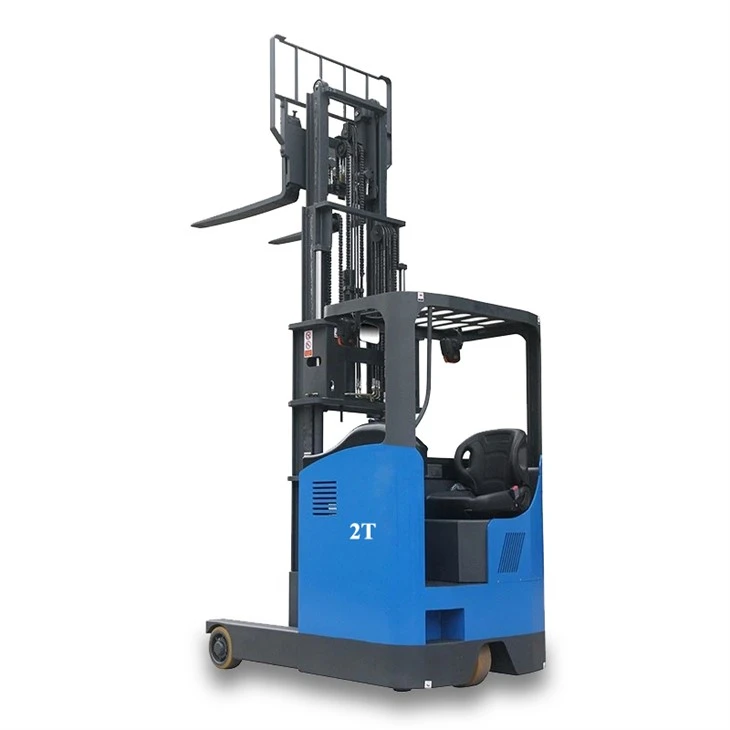
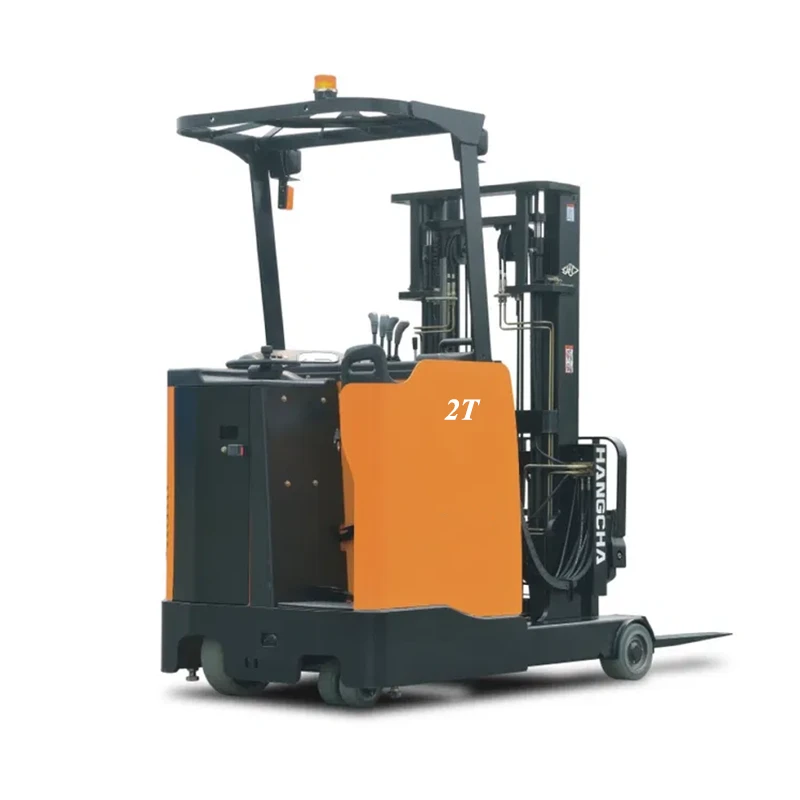
When the mast is fully extended, the reach truck's stability is at its most critical point. At this height, even a small shift in the load or a sudden movement by the operator can cause the center of gravity to move outside the stability triangle, leading to a tip-over. Therefore, it's essential to exercise extreme caution when operating a reach truck with an extended mast.
Load Capacity and Mast Extension
Another important consideration when it comes to mast extension and stability is the reach truck's load capacity. Each reach truck has a maximum load capacity, which is determined by its design and specifications. This capacity is typically based on the truck's stability at a specific mast height and load center.
As the mast extends, the reach truck's load capacity decreases. This is because the extended mast increases the risk of tipping, and the truck's stability system is designed to limit the load weight to ensure safe operation. Therefore, it's crucial to always check the reach truck's load capacity chart and ensure that the load weight and position are within the recommended limits for the current mast height.
Tips for Maintaining Stability with an Extended Mast
To minimize the risk of tipping and ensure the safe operation of a reach truck with an extended mast, operators should follow these tips:
- Load Placement: Always place the load as low and as close to the mast as possible. This helps to keep the center of gravity low and within the stability triangle.
- Slow and Steady: Operate the reach truck at a slow and steady speed, especially when raising or lowering the mast. Sudden movements can cause the load to shift and increase the risk of tipping.
- Avoid Overloading: Never exceed the reach truck's maximum load capacity, especially when the mast is extended. Overloading can significantly reduce the truck's stability and increase the risk of accidents.
- Use Stabilizers: Some reach trucks are equipped with stabilizers, which can help to improve stability when the mast is extended. Make sure to use these stabilizers whenever they are available.
- Inspect the Truck: Regularly inspect the reach truck for any signs of damage or wear, especially the mast and its components. A damaged mast can affect the truck's stability and increase the risk of accidents.
Choosing the Right Reach Truck for Your Needs
When selecting a reach truck for your warehouse or distribution center, it's important to consider the specific requirements of your operation. Factors such as the maximum load weight, maximum lift height, aisle width, and floor conditions can all impact the type of reach truck that is best suited for your needs.
If you frequently need to operate the reach truck with an extended mast, it's important to choose a truck that is designed for high-lift applications. Look for a reach truck with a robust mast design, a high load capacity at extended heights, and advanced stability features such as electronic stability control.
At our company, we offer a wide range of reach trucks to meet the diverse needs of our customers. Our 2 Ton Stand On Electric Reach is a popular choice for narrow aisle applications, offering exceptional maneuverability and a high load capacity at extended heights. Our Reach Truck 2 Ton is another versatile option, providing a balance of performance and stability for a variety of warehouse operations. And for those who need to handle larger loads at greater heights, our 2 Ton Large Reach Electric Forklift is the ideal solution.
Conclusion
In conclusion, the extension of a reach truck's mast can have a significant impact on its stability. As the mast extends, the center of gravity of the truck and its load shifts upward and forward, increasing the risk of tipping. To maintain stability and prevent accidents, operators should always follow the manufacturer's guidelines, exercise caution when operating the truck with an extended mast, and choose the right reach truck for their specific needs.
If you have any questions about reach truck stability or need help selecting the right reach truck for your operation, please don't hesitate to contact us. Our team of experts is here to provide you with the information and support you need to make informed decisions and ensure the safe and efficient operation of your warehouse.
References
- Forklift Operator's Manuals
- Industrial Truck Association (ITA) Guidelines
- Occupational Safety and Health Administration (OSHA) Regulations