


As a pneumatic tires supplier, I've witnessed firsthand the challenges that excessive tire noise can pose to both consumers and industries. Tire noise not only affects the comfort of drivers and passengers but can also have environmental implications and even impact the performance of vehicles. In this blog, I'll share some effective strategies on how to reduce the noise generated by pneumatic tires.
Understanding the Causes of Tire Noise
Before we delve into the solutions, it's essential to understand what causes tire noise. There are several factors at play:
- Tire Tread Design: The pattern of the tire tread plays a significant role in noise generation. Tires with large, aggressive tread blocks tend to produce more noise as they interact with the road surface. The air trapped between the tread blocks and the road can create a pumping effect, resulting in a loud humming or roaring sound.
- Tire Construction: The materials used in tire construction and the way they are assembled can also contribute to noise. For example, tires with a stiff sidewall may transmit more vibrations from the road to the vehicle, leading to increased noise.
- Road Surface: Different road surfaces can have a profound impact on tire noise. Rough, uneven roads tend to generate more noise than smooth, well - maintained ones. The texture of the road surface can cause the tire tread to vibrate and produce sound.
- Tire Pressure: Incorrect tire pressure can lead to increased noise. Under - inflated tires have a larger contact area with the road, which can cause more friction and noise. Over - inflated tires, on the other hand, may have a harsher ride and also generate more noise.
Strategies to Reduce Tire Noise
Optimize Tire Tread Design
One of the most effective ways to reduce tire noise is through careful tread design. Modern tire manufacturers are constantly researching and developing new tread patterns to minimize noise. For example, tires with a variable pitch tread design can help break up the sound waves generated by the tire as it rolls. This design ensures that the noise frequencies are spread out, making the overall sound less noticeable.
Our General Tire Super All Grip is a prime example of a tire with an optimized tread design. Its unique tread pattern is engineered to reduce noise while providing excellent traction on various road surfaces. The tread blocks are arranged in a way that minimizes the air pumping effect, resulting in a quieter ride.
Improve Tire Construction
The materials and construction techniques used in tires can also be adjusted to reduce noise. Using softer, more flexible rubber compounds can help absorb vibrations from the road, reducing the amount of noise transmitted to the vehicle. Additionally, advanced manufacturing processes can ensure a more uniform tire structure, which helps to reduce irregularities that can cause noise.
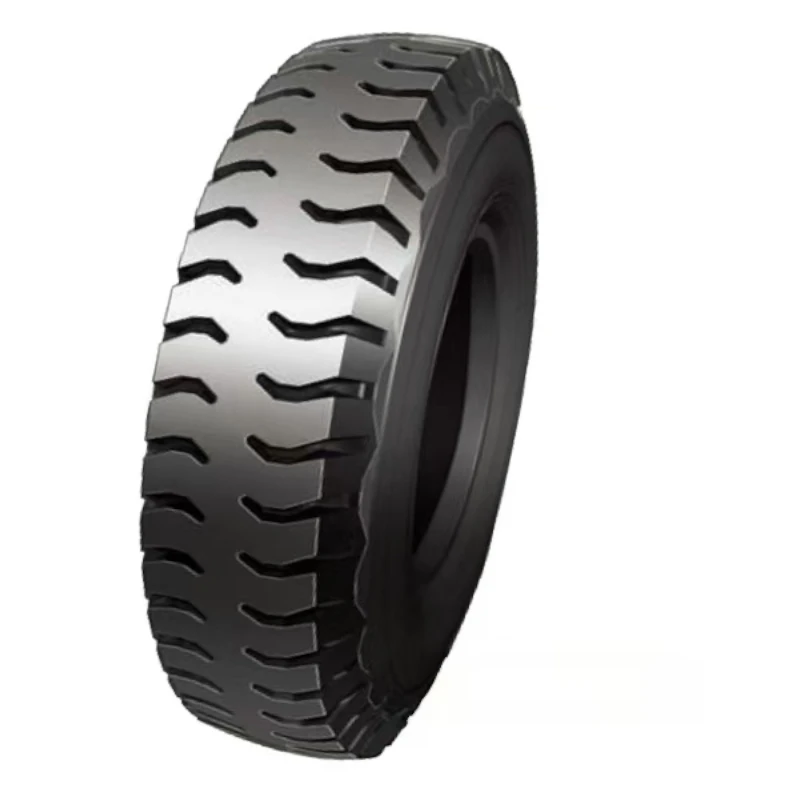
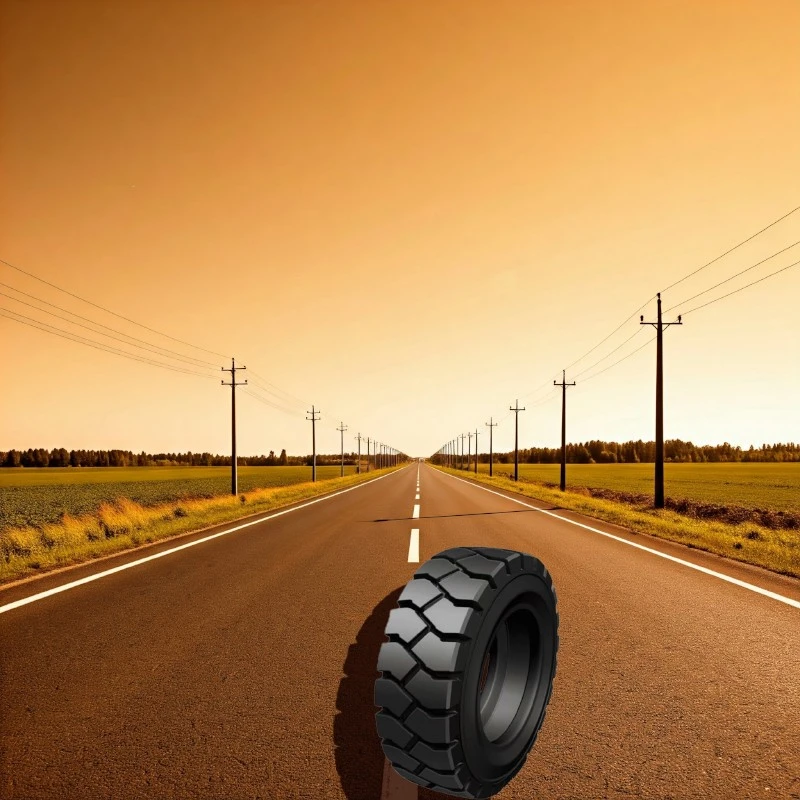
Our Steel Wire Tire features a high - quality steel wire reinforcement that not only provides strength and durability but also helps in reducing noise. The steel wire helps to maintain the shape of the tire, reducing vibrations and noise during operation.
Select the Right Road Surface
While we can't always choose the roads we drive on, in some industrial applications, it is possible to select the most suitable road surface. For example, in a mining operation, using well - maintained, smooth roads can significantly reduce tire noise. Regularly grading and compacting the roads can help create a smoother surface for the Mining Equipment Tires to roll on.
Maintain Proper Tire Pressure
Maintaining the correct tire pressure is crucial for reducing noise. Regularly check the tire pressure using a reliable pressure gauge and inflate the tires to the recommended level specified by the vehicle manufacturer. This not only reduces noise but also improves fuel efficiency and tire lifespan.
Use Noise - Reducing Technologies
Some tire manufacturers are incorporating noise - reducing technologies into their products. For example, some tires have a special inner lining that acts as a sound absorber. This lining helps to dampen the noise generated inside the tire, resulting in a quieter ride.
The Benefits of Reducing Tire Noise
Reducing tire noise offers several benefits:
- Enhanced Comfort: A quieter ride means a more comfortable driving experience for both the driver and passengers. This is especially important for long - distance travel or in vehicles used for commercial purposes.
- Environmental Benefits: Reducing tire noise can also have a positive impact on the environment. Lower noise levels contribute to a more peaceful and less polluted environment, especially in urban areas.
- Improved Performance: Tires that generate less noise are often better designed and constructed. This can lead to improved traction, handling, and overall performance of the vehicle.
Conclusion
Reducing the noise generated by pneumatic tires is a multi - faceted challenge that requires a combination of proper tire selection, maintenance, and design optimization. As a pneumatic tires supplier, we are committed to providing our customers with high - quality tires that not only meet their performance requirements but also minimize noise.
If you're interested in learning more about our range of pneumatic tires or have any questions about reducing tire noise, we encourage you to reach out to us for a detailed discussion. Our team of experts is ready to assist you in finding the best tire solutions for your specific needs. Whether you're in the automotive industry, mining, or any other sector that relies on pneumatic tires, we can help you make an informed decision.
References
- "Tire Noise: Causes and Solutions" - Tire Technology International
- "The Impact of Tread Design on Tire Noise" - Journal of Automotive Engineering
- "Tire Pressure and Its Effect on Noise and Performance" - Society of Automotive Engineers (SAE)