


When it comes to cycling, choosing the right pneumatic tires for your bicycle is crucial. As a pneumatic tires supplier, I've witnessed firsthand how the right tires can transform a rider's experience, offering enhanced performance, safety, and comfort. In this blog, I'll share some insights on how to make the best tire selection for your bike.
Understanding Your Riding Style
The first step in choosing the right pneumatic tires is to understand your riding style. Are you a casual rider who enjoys leisurely rides around the neighborhood or a park? Or are you a more serious cyclist who participates in long - distance tours, mountain biking, or road racing?
For casual riders, comfort and durability are often the top priorities. You'll want tires that can handle a variety of surfaces, including paved roads, gravel paths, and even light off - road terrain. These tires typically have a wider profile, which provides more stability and a smoother ride. They also tend to have a thicker tread, which can resist punctures from small rocks and debris.
On the other hand, if you're a road racer, speed is of the essence. You'll need tires that are lightweight and have a low rolling resistance. These tires usually have a narrower profile and a smooth tread pattern, which allows them to roll quickly on paved roads. Some high - end racing tires are even designed with special compounds that reduce friction and improve grip, especially in wet conditions.
Mountain bikers, meanwhile, face a different set of challenges. They need tires that can provide excellent traction on rough, uneven terrain, including mud, rocks, and roots. Tires for mountain biking often have a deep, aggressive tread pattern that can bite into the ground and prevent slipping. They also need to be durable enough to withstand the impacts of jumping and riding over obstacles.
Considering Your Bicycle Type
Your bicycle type also plays a significant role in tire selection. Different types of bikes are designed for different purposes, and their tires need to be compatible with these functions.
Road bikes are built for speed and efficiency on paved roads. They typically have narrow tires, usually ranging from 23mm to 28mm in width. These tires are designed to minimize rolling resistance and maximize speed. Some road bikes may even be able to accommodate even narrower tires for racing purposes.
Mountain bikes, as mentioned earlier, are designed for off - road riding. They come with wider tires, typically between 2.0 inches and 2.6 inches in width. The wider tires provide more stability and traction on rough terrain. There are also different types of mountain bike tires, such as cross - country tires, downhill tires, and all - mountain tires, each with its own specific characteristics.
Hybrid bikes are a combination of road and mountain bikes. They are suitable for both on - road and light off - road riding. Hybrid bike tires are usually wider than road bike tires but narrower than mountain bike tires, typically ranging from 32mm to 47mm in width. They offer a good balance between speed, comfort, and traction.
Evaluating Tire Size
Tire size is another important factor to consider. The size of your tires is usually indicated on the sidewall of the tire, in a format like "26 x 1.75" or "700 x 25c". The first number represents the diameter of the tire, while the second number represents the width.
It's essential to choose tires that are the correct size for your bicycle. Using the wrong tire size can affect the performance of your bike and even pose a safety risk. For example, if you install tires that are too large for your bike, they may rub against the frame or brakes, causing damage. On the other hand, if the tires are too small, they may not provide enough support and stability.
In addition to the diameter and width, you also need to consider the tire's aspect ratio. The aspect ratio is the ratio of the tire's height to its width. A lower aspect ratio means a shorter, wider tire, which can provide better handling and stability. A higher aspect ratio means a taller, narrower tire, which can offer a smoother ride.
Assessing Tread Pattern
The tread pattern of a tire is designed to provide traction and grip on different surfaces. Different tread patterns are suitable for different riding conditions.
Smooth tread patterns are ideal for paved roads. They have minimal rolling resistance, which allows the bike to roll quickly and efficiently. These tires are commonly used on road bikes and some hybrid bikes.
Tread patterns with small, closely spaced blocks are suitable for light off - road riding and mixed surfaces. They provide a good balance between traction and rolling resistance. These tires are often found on hybrid bikes and some cross - country mountain bikes.
Aggressive tread patterns with large, widely spaced blocks are designed for serious off - road riding, such as mountain biking. They can provide excellent traction on mud, rocks, and other rough terrain. However, they also have a higher rolling resistance, which means they may be slower on paved roads.
Checking Tire Compounds
Tire compounds refer to the materials used to make the tire. Different compounds have different properties, which can affect the performance of the tire.
Harder compounds are more durable and resistant to wear. They are suitable for riders who cover a lot of miles or ride on rough surfaces. However, harder compounds may have a higher rolling resistance and less grip compared to softer compounds.
Softer compounds, on the other hand, offer better grip and a lower rolling resistance. They are ideal for racing and high - performance riding. However, softer compounds wear out more quickly, so they may not be the best choice for long - distance or everyday riding.
Our Product Offerings
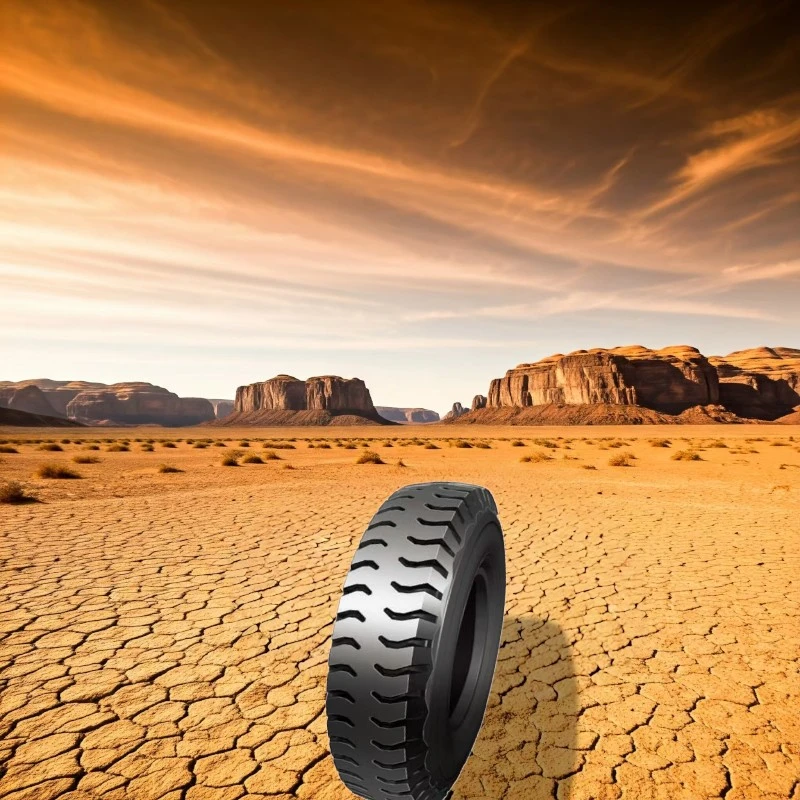
As a pneumatic tires supplier, we offer a wide range of high - quality tires to meet the needs of different riders. Our Steel Wire Tire is known for its durability and strength, making it suitable for heavy - duty applications. Whether you're using it on an industrial vehicle or a high - mileage bike, this tire can provide reliable performance.
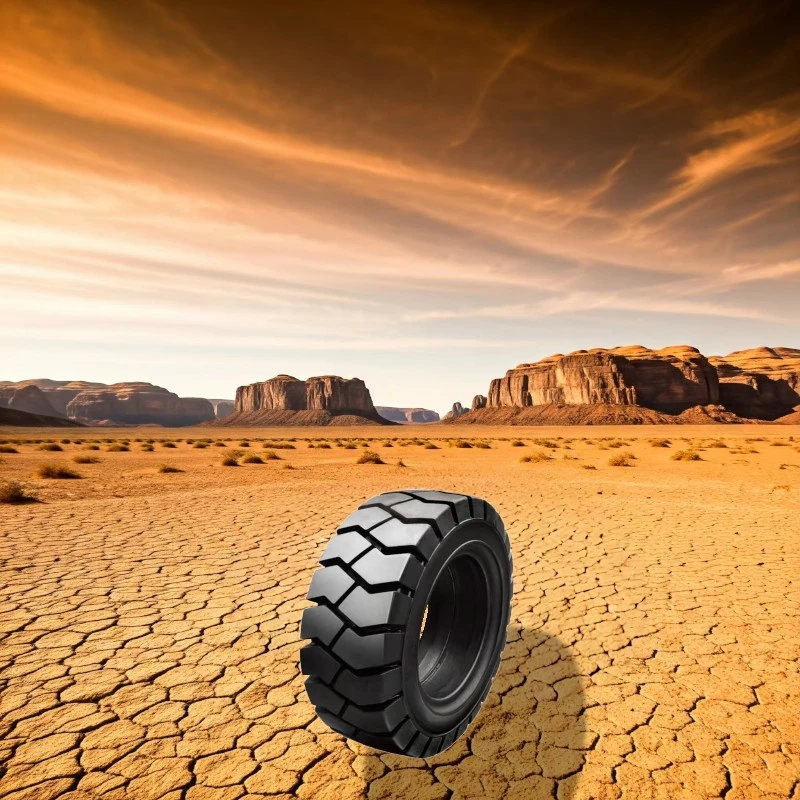
Our Internal Combustion Forklift Tires are specifically designed for forklifts powered by internal combustion engines. They offer excellent traction and load - carrying capacity, ensuring safe and efficient operation in industrial settings.
For those in the mining industry, our Mining Equipment Tires are built to withstand the harsh conditions of mining operations. They are resistant to cuts, punctures, and abrasion, providing long - lasting performance in tough environments.
Conclusion
Choosing the right pneumatic tires for your bicycle is a process that requires careful consideration of your riding style, bicycle type, tire size, tread pattern, and tire compounds. By taking the time to evaluate these factors, you can select tires that will enhance your cycling experience and meet your specific needs.
If you're interested in our pneumatic tires or have any questions about tire selection, we'd love to hear from you. Contact us today to start a discussion about your requirements and find the perfect tires for your bike.
References
- "Bicycle Tires: A Comprehensive Guide" by Cycling Weekly
- "The Ultimate Guide to Choosing Bicycle Tires" by Bicycling Magazine
- Manufacturer's specifications and technical documents for various pneumatic tires.