


Balancing pneumatic tires is a crucial aspect of ensuring optimal performance, safety, and longevity of the tires. As a pneumatic tire supplier, I've seen firsthand the impact that proper balancing can have on the overall operation of vehicles and equipment. In this blog, I'll share some insights on how I balance pneumatic tires and why it's so important.
Why Balancing Pneumatic Tires Matters
Before diving into the balancing process, let's talk about why it's necessary. When a tire is unbalanced, it creates uneven wear patterns, vibrations, and can even lead to premature tire failure. These vibrations can also be felt in the steering wheel, seat, or floor of the vehicle, which can be uncomfortable for the driver and passengers. Moreover, unbalanced tires can reduce fuel efficiency, as the vehicle has to work harder to overcome the uneven forces caused by the imbalance.
In industrial applications, such as excavators and mining equipment, the consequences of unbalanced tires can be even more severe. Heavy machinery relies on stable and smooth operation, and unbalanced tires can cause excessive wear on the equipment's components, leading to costly repairs and downtime. That's why proper tire balancing is essential for both safety and cost-effectiveness.
The Balancing Process
There are two main types of tire balancing: static balancing and dynamic balancing. Static balancing is used to correct the imbalance of a tire when it's stationary, while dynamic balancing takes into account the forces acting on the tire when it's in motion.
Static Balancing
Static balancing is a relatively simple process that can be done using a static balancer. Here's how it works:
- Mount the tire on the balancer: The tire is placed on a spindle that allows it to rotate freely.
- Locate the heavy spot: The balancer will detect the heavy spot on the tire by measuring the amount of weight needed to balance it.
- Add weights: Once the heavy spot is identified, small weights are added to the opposite side of the tire to counterbalance the heavy spot. These weights are usually made of lead or steel and are attached to the rim of the tire.
Static balancing is suitable for small and lightweight tires, such as those used on bicycles and motorcycles. However, it may not be sufficient for larger and heavier tires, such as those used on trucks and industrial equipment.
Dynamic Balancing
Dynamic balancing is a more advanced process that takes into account the forces acting on the tire when it's in motion. This type of balancing is typically done using a dynamic balancer, which is a more sophisticated piece of equipment. Here's how it works:
- Mount the tire on the balancer: The tire is mounted on a spindle that is connected to a motor, which rotates the tire at a high speed.
- Measure the imbalance: The balancer uses sensors to measure the amount of imbalance in the tire as it rotates. These sensors can detect both static and dynamic imbalances.
- Add weights: Based on the measurements taken by the sensors, the balancer will determine the amount and location of the weights needed to balance the tire. The weights are then added to the rim of the tire in the appropriate locations.
Dynamic balancing is the preferred method for balancing larger and heavier tires, as it provides a more accurate and comprehensive balance. It's commonly used in the automotive and industrial industries to ensure the smooth and safe operation of vehicles and equipment.
Tools and Equipment for Balancing Pneumatic Tires
To balance pneumatic tires, you'll need a few essential tools and equipment:
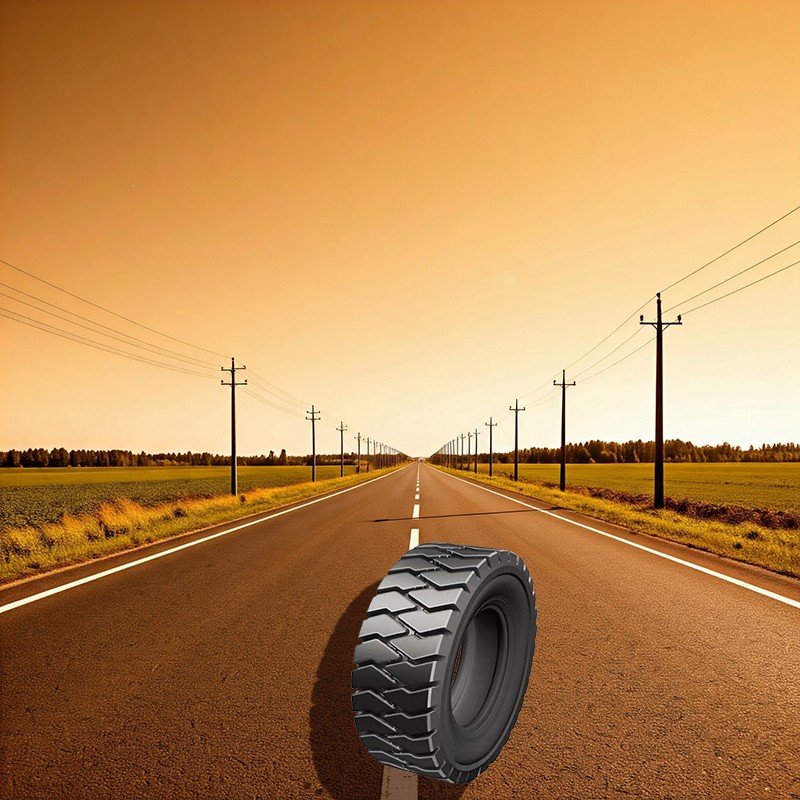
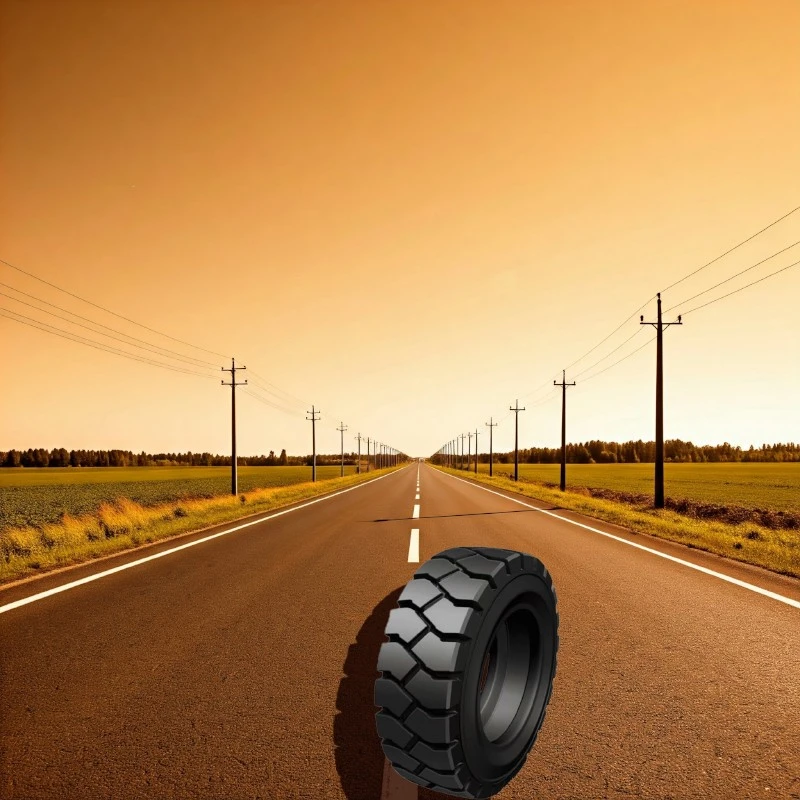
- Tire balancer: As mentioned earlier, there are two main types of tire balancers: static balancers and dynamic balancers. Choose the type of balancer that's suitable for the size and type of tires you'll be balancing.
- Weights: You'll need a variety of weights in different sizes and shapes to balance the tires. These weights are typically made of lead or steel and are available in different weights and configurations.
- Tire mounting equipment: To mount the tire on the balancer, you'll need a tire mounting machine. This machine is used to remove and install the tire on the rim.
- Valve stem tools: Valve stem tools are used to remove and install the valve stem on the tire. This is an important step in the tire balancing process, as the valve stem can affect the balance of the tire.
Tips for Balancing Pneumatic Tires
Here are some tips to help you balance pneumatic tires more effectively:
- Inspect the tire: Before balancing the tire, inspect it for any signs of damage or wear. Look for cuts, punctures, bulges, or uneven wear patterns. If the tire is damaged, it may need to be replaced before balancing.
- Clean the rim: Make sure the rim is clean and free of dirt, debris, and old weights. This will ensure that the weights adhere properly to the rim and that the balance is accurate.
- Use the right weights: Choose the right type and size of weights for the tire. The weights should be compatible with the rim and the tire's load capacity.
- Follow the manufacturer's instructions: Always follow the manufacturer's instructions when using the tire balancer and other equipment. This will ensure that the balancing process is done correctly and safely.
- Check the balance regularly: It's a good idea to check the balance of your tires regularly, especially if you notice any vibrations or uneven wear patterns. This will help you catch any imbalances early and prevent further damage to the tires and the vehicle.
Our Pneumatic Tires
As a pneumatic tire supplier, we offer a wide range of high-quality tires for various applications. Whether you're looking for Rubber Tire for Excavator, General Tire Super All Grip, or Mining Equipment Tires, we have the right tire for your needs.
Our tires are designed and manufactured to meet the highest standards of quality and performance. We use the latest technology and materials to ensure that our tires are durable, reliable, and safe. Whether you're using our tires on a construction site, a mining operation, or a transportation vehicle, you can trust that they'll deliver the performance you need.
Contact Us for Procurement
If you're interested in purchasing our pneumatic tires or have any questions about tire balancing, please don't hesitate to contact us. Our team of experts is here to help you find the right tires for your needs and provide you with the support and advice you need to keep your tires in top condition.
We understand that every customer has unique requirements, and we're committed to providing personalized solutions that meet your specific needs. Whether you're a small business owner or a large corporation, we have the products and services to help you succeed.
References
- "Tire Balancing: Why It's Important and How It Works." TireBuyer, 2023.
- "How to Balance Tires." NAPA Know How Blog, 2023.
- "The Importance of Tire Balancing." Goodyear, 2023.