


Hey there! I'm an electric tractor supplier, and I've been getting a lot of questions lately about how electric tractors stack up against diesel tractors when it comes to fuel efficiency. So, I thought I'd take a deep dive into this topic and share some insights with you all.
Let's start by understanding the basics. Diesel tractors have been around for ages. They're powered by diesel engines, which burn diesel fuel to generate power. On the other hand, electric tractors run on electricity, usually stored in batteries. The way they get their energy is completely different, and that has a huge impact on their fuel efficiency.
When we talk about fuel efficiency for diesel tractors, we're looking at how much work they can do per gallon of diesel fuel. Diesel engines are known for their high torque, which means they can handle heavy loads pretty well. But they also have some drawbacks. Diesel fuel is a fossil fuel, and burning it releases a bunch of pollutants into the air, like carbon monoxide, nitrogen oxides, and particulate matter. Plus, diesel engines aren't always the most efficient when it comes to converting fuel into useful work. A lot of the energy from the diesel fuel is lost as heat, which means you're not getting the most bang for your buck.
Now, let's turn our attention to electric tractors. Electric tractors are much more efficient in terms of converting energy into work. Electric motors are incredibly efficient, often converting over 90% of the electrical energy they receive into mechanical energy. That's a huge difference compared to diesel engines, which typically have an efficiency of around 30 - 40%. When you think about it, that means electric tractors can do a lot more work with the same amount of energy input.
One of the key advantages of electric tractors is that they have regenerative braking. When an electric tractor slows down or brakes, the electric motor acts as a generator and converts the kinetic energy of the moving tractor back into electrical energy. This energy is then stored in the battery for later use. It's like getting free energy every time you brake! Diesel tractors don't have this feature, so they just waste that kinetic energy as heat.
Another factor to consider is the cost of fuel. Diesel fuel prices can be pretty volatile, going up and down depending on a variety of factors like global oil prices, political instability, and supply and demand. On the other hand, electricity prices are generally more stable. And in many cases, electricity is cheaper than diesel fuel, especially if you charge your electric tractor during off-peak hours when electricity rates are lower. This means that over the long term, you can save a significant amount of money on fuel costs by using an electric tractor.
Let's talk about maintenance for a bit. Diesel engines are complex machines with a lot of moving parts. They require regular maintenance, like oil changes, filter replacements, and tune-ups. These maintenance tasks can be time-consuming and expensive. Electric tractors, on the other hand, have fewer moving parts. There's no need for oil changes or spark plug replacements. The main maintenance task for electric tractors is usually just checking and maintaining the battery. This means less downtime and lower maintenance costs.
Now, I know what you're thinking. "But what about the range? Can electric tractors really do the same amount of work as diesel tractors?" Well, it depends on the specific model and application. In the past, range was a bit of an issue for electric tractors. But with advancements in battery technology, the range of electric tractors has improved significantly. Many modern electric tractors can now operate for a full day's work on a single charge, especially if they're used for light to medium-duty tasks. And if you need more range, there are options like fast charging or swapping out the batteries.
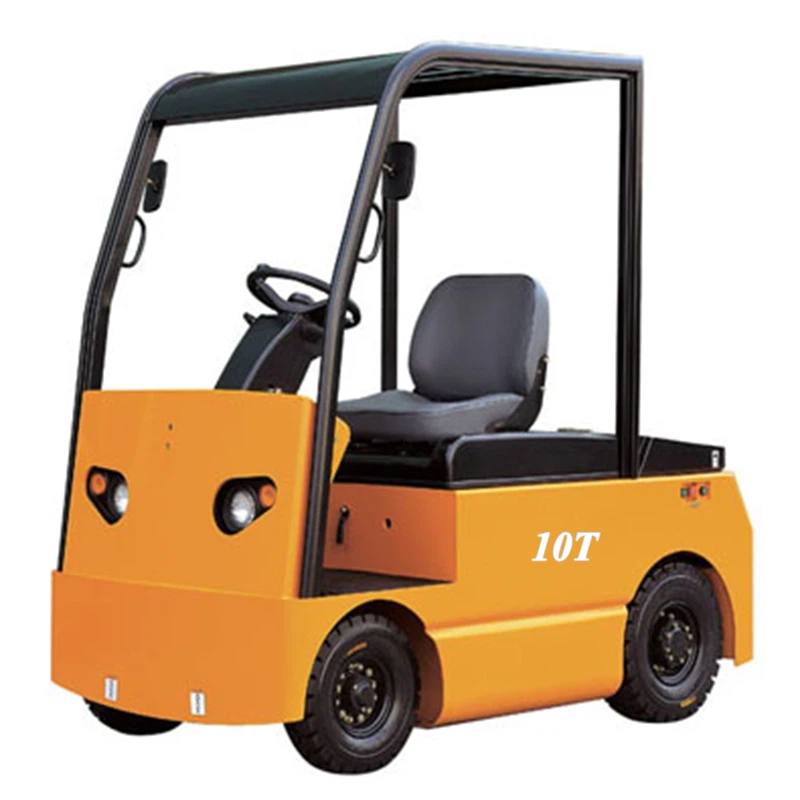
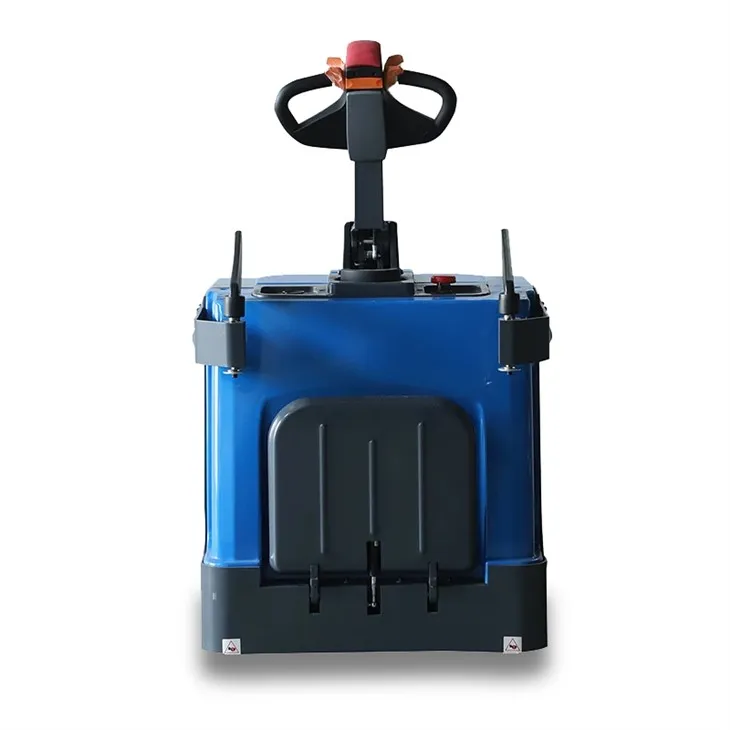
If you're interested in learning more about our electric tractors, we have some great options available. Check out our Electric Small Tractor. It's perfect for small-scale operations and has excellent fuel efficiency. We also have the 10 Ton Electric Tractor Stability, which is great for heavier loads. And if you need something even more powerful, take a look at our 20 Ton Car Type Tractor.
In conclusion, when it comes to fuel efficiency, electric tractors have a clear advantage over diesel tractors. They're more efficient at converting energy into work, they have regenerative braking, they cost less to fuel, and they require less maintenance. Of course, there are still some challenges to overcome, like range and charging infrastructure. But with the rapid pace of technological advancements, these issues are becoming less and less of a problem.
If you're in the market for a new tractor, I highly recommend considering an electric tractor. Not only will you save money in the long run, but you'll also be doing your part to reduce your carbon footprint and help protect the environment. If you have any questions or want to learn more about our electric tractors, don't hesitate to reach out. We're here to help you make the right decision for your business.
References
- "Diesel Engine Efficiency and Performance" - Journal of Automotive Engineering
- "Advancements in Electric Vehicle Technology" - IEEE Transactions on Transportation Electrification
- "Comparative Analysis of Diesel and Electric Tractors" - Agricultural Engineering International: CIGR Journal