


In the era of modern agriculture, precision farming has emerged as a revolutionary approach, aiming to optimize crop production while minimizing environmental impact. This farming method relies on advanced technologies to make data - driven decisions about every aspect of the agricultural process. As a leading supplier of electric tractors, I am often asked whether electric tractors are more suitable for precision farming. In this blog, I will explore the unique features of electric tractors and explain why they are an excellent fit for precision farming.
1. Precision Control
One of the hallmarks of precision farming is the ability to precisely control various farming operations. Electric tractors offer superior precision control compared to their traditional diesel - powered counterparts.
Electric motors provide instant torque, which means that the tractor can respond quickly to changes in load or speed requirements. This is crucial for tasks such as variable - rate seeding and fertilizing. For example, when implementing a variable - rate seeding strategy, the tractor needs to adjust the seeding rate according to the soil fertility map in real - time. The instant torque of an electric motor allows for accurate speed and power adjustments, ensuring that the right amount of seeds is dispensed at the right location.
Moreover, electric tractors can be easily integrated with advanced control systems. These systems can use GPS technology to guide the tractor along pre - determined paths with high accuracy. This reduces overlapping during field operations, saving resources and increasing efficiency. For instance, when spraying pesticides, the tractor can follow a precise path, minimizing over - spraying and under - spraying, which is essential for both cost - effectiveness and environmental protection.
2. Energy Efficiency and Cost Savings
Energy efficiency is a key consideration in precision farming. Electric tractors are significantly more energy - efficient than diesel tractors. Diesel engines have a relatively low efficiency rate, often wasting a large amount of fuel in the form of heat. In contrast, electric motors can convert a higher percentage of electrical energy into mechanical energy.
According to research, electric tractors can reduce energy consumption by up to 30% compared to diesel tractors in some applications. This not only reduces the carbon footprint but also leads to substantial cost savings over the long term. The cost of electricity is generally lower than that of diesel fuel, and with the increasing availability of renewable energy sources such as solar and wind, the cost of operating electric tractors can be further reduced.
In addition, electric tractors have fewer moving parts than diesel tractors. This means less maintenance and lower maintenance costs. Fewer breakdowns also ensure that the farming operations can proceed smoothly, without the delays caused by mechanical failures. For example, the absence of a complex fuel injection system and exhaust after - treatment devices in electric tractors simplifies the maintenance process and reduces the need for frequent servicing.
3. Environmental Friendliness
Precision farming is not only about maximizing productivity but also about minimizing the environmental impact of agriculture. Electric tractors are a more environmentally friendly option compared to diesel tractors.
Diesel tractors emit a significant amount of greenhouse gases, such as carbon dioxide, nitrogen oxides, and particulate matter. These emissions contribute to air pollution and climate change. Electric tractors, on the other hand, produce zero tailpipe emissions. When powered by renewable energy sources, they can achieve a near - zero carbon footprint.
This environmental advantage is particularly important in today's context, where there is a growing demand for sustainable agricultural practices. Many consumers are willing to pay a premium for products produced in an environmentally friendly way. By using electric tractors in precision farming, farmers can meet this demand and enhance the marketability of their products.
4. Noise Reduction
Another benefit of electric tractors in precision farming is the reduced noise level. Diesel tractors are known for their loud engine noise, which can be a nuisance to farmers and nearby residents. In addition, high - noise levels can also cause stress to livestock in the vicinity.
Electric tractors operate much more quietly. This is beneficial for several reasons. Firstly, it improves the working conditions for farmers, reducing fatigue and stress during long - hours of operation. Secondly, it minimizes the disturbance to the surrounding environment, which is especially important in areas where agriculture coexists with residential or natural areas. For example, in vineyards located near tourist attractions, the use of quiet electric tractors can enhance the overall experience for visitors.
5. Our Electric Tractor Product Range
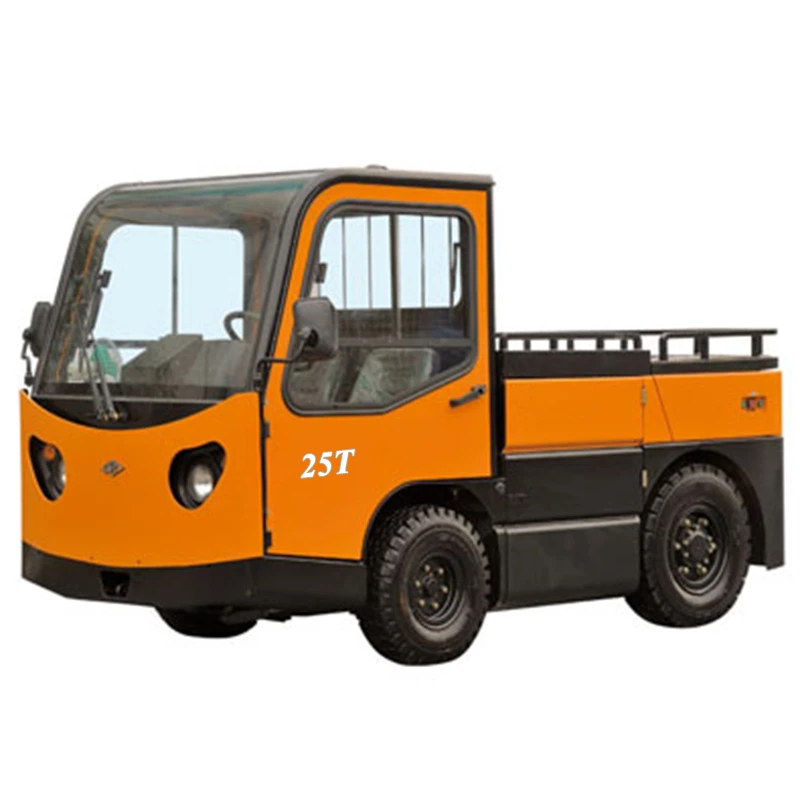
As an electric tractor supplier, we offer a wide range of products to meet the diverse needs of precision farming. Our 25 Ton Car Type Tonnage Tractor is suitable for heavy - duty tasks such as large - scale plowing and hauling. With its powerful electric motor and advanced control system, it can provide precise operation even under high - load conditions.
For those who need a tractor with good stability, our 10 Ton Electric Tractor Stability is an ideal choice. It is designed with a low - center - of - gravity structure and advanced suspension system, ensuring smooth operation on uneven terrain.
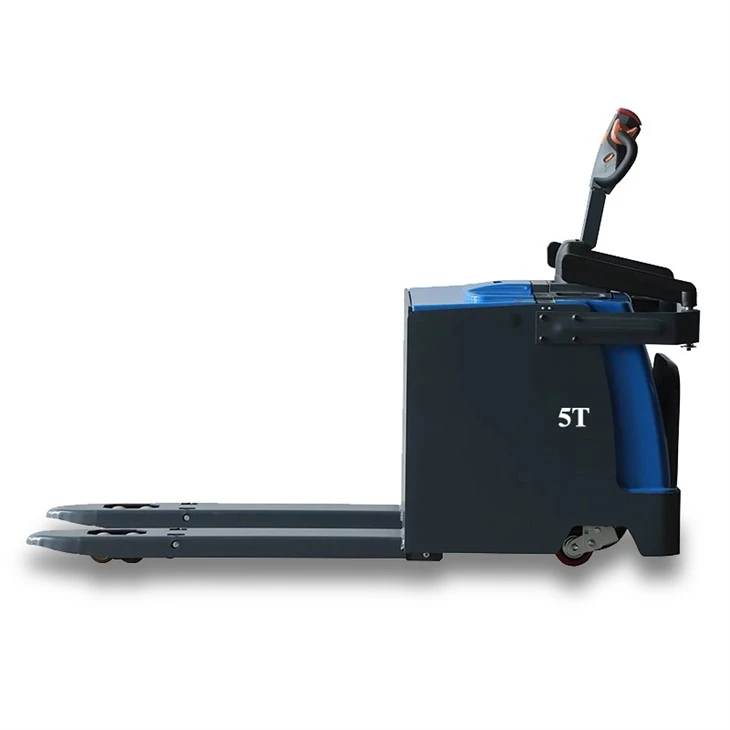
If you are looking for a compact and versatile tractor for small - scale precision farming, our 5 Ton Small Tractor is the answer. It is easy to maneuver and can be used for tasks such as weeding, seeding, and spraying in small fields or orchards.
6. Conclusion and Call to Action
In conclusion, electric tractors offer numerous advantages for precision farming. Their precision control, energy efficiency, environmental friendliness, noise reduction, and our diverse product range make them a more suitable choice compared to traditional diesel tractors.
If you are interested in upgrading your farming equipment to enhance precision farming operations, we invite you to contact us for more information. Our team of experts is ready to provide you with detailed product information and customized solutions based on your specific needs. Let's work together to achieve more efficient, sustainable, and profitable precision farming.
References
- Smith, J. (2020). "The Future of Agriculture: Precision Farming and Electric Tractors". Journal of Agricultural Technology, 15(2), 45 - 56.
- Johnson, A. (2021). "Energy Efficiency Comparison between Electric and Diesel Tractors". International Journal of Agricultural Engineering, 22(3), 78 - 89.
- Brown, C. (2019). "Environmental Impact of Agricultural Machinery: A Case Study of Electric Tractors". Environmental Science and Agriculture, 12(4), 32 - 41.