


When it comes to the world of tractors, one question that often arises is whether electric tractors are more expensive than diesel tractors. As a supplier of electric tractors, I've delved deep into this topic to provide you with a comprehensive analysis.
Initial Purchase Price
At first glance, electric tractors generally have a higher upfront cost compared to their diesel counterparts. Diesel tractors have been around for a long time, and the technology is well - established. Mass production has helped bring down the manufacturing costs, making them more affordable in terms of the initial purchase.
On the other hand, electric tractors are a relatively new entrant in the market. The cost of developing and manufacturing electric drivetrains, batteries, and associated electronics is still high. For example, the advanced lithium - ion batteries used in electric tractors are expensive to produce. However, it's important to note that as technology advances and economies of scale come into play, the price gap between electric and diesel tractors is gradually narrowing.
Our company offers a range of electric tractors, including the 6 Ton Electric Tractor. This model comes with state - of - the - art features and a high - capacity battery, which contribute to its relatively higher initial price. But as we continue to expand our production and improve our manufacturing processes, we expect to be able to offer more competitive pricing in the future.
Operating Costs
While the initial purchase price of electric tractors may be higher, the operating costs tell a different story. Diesel tractors rely on fossil fuels, and the price of diesel can be volatile. Fluctuations in global oil prices can significantly impact the running costs of diesel tractors. Moreover, diesel engines require regular maintenance, including oil changes, filter replacements, and tune - ups. These maintenance tasks not only add to the cost but also take up valuable time.
Electric tractors, on the other hand, have lower operating costs. Electricity is generally cheaper than diesel, especially when considering long - term use. The cost of charging an electric tractor is often a fraction of the cost of fueling a diesel tractor for the same amount of work. Additionally, electric tractors have fewer moving parts in their drivetrains. This means less wear and tear and lower maintenance requirements. There are no oil changes or complex engine tune - ups needed. For instance, our 10 Ton Electric Tractor Stability is designed to be highly efficient, with minimal maintenance needs, which helps reduce the overall operating costs over its lifespan.
Environmental and Regulatory Factors
In recent years, there has been a growing emphasis on environmental sustainability and reducing carbon emissions. Governments around the world are implementing stricter regulations on diesel engines to limit pollution. Diesel tractors emit harmful pollutants such as particulate matter, nitrogen oxides, and carbon monoxide. To comply with these regulations, diesel tractor manufacturers often need to add expensive emission - control systems, which further increase the cost.
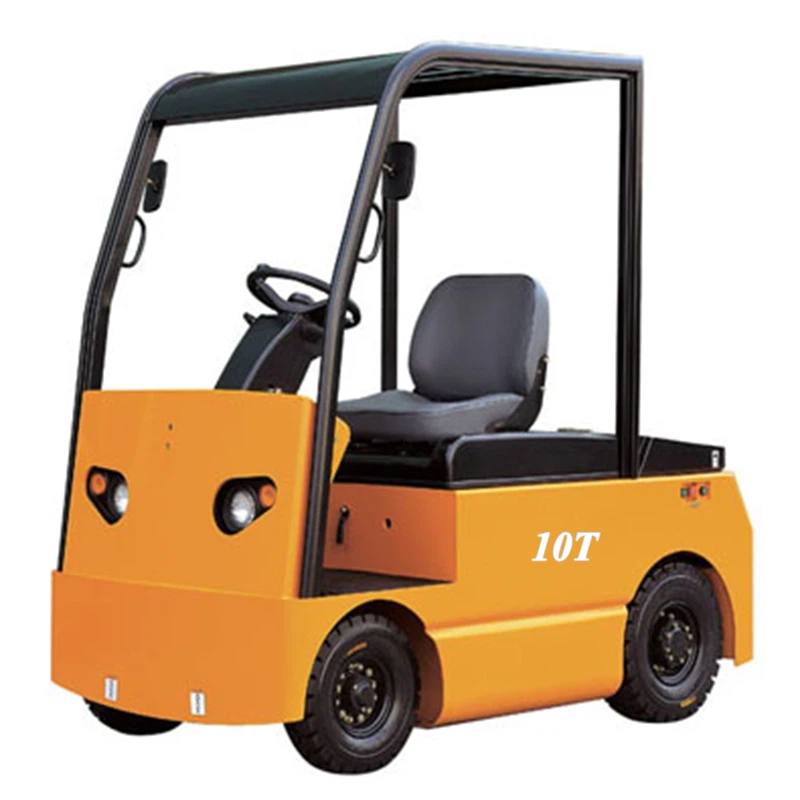
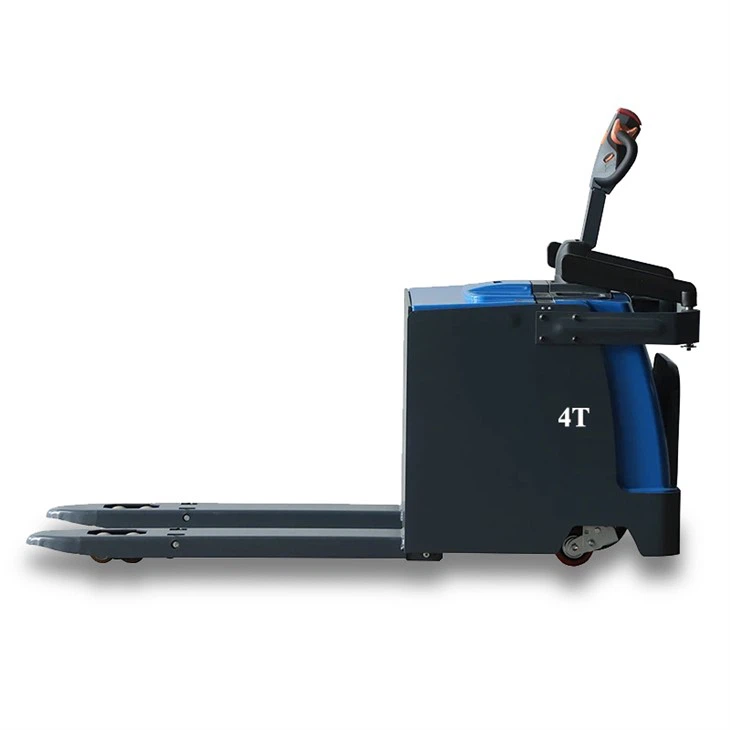
Electric tractors produce zero tailpipe emissions, making them a more environmentally friendly option. In some regions, there are incentives and subsidies available for purchasing electric vehicles, including tractors. These incentives can help offset the higher initial purchase price. For example, some local governments offer tax credits or grants to farmers and businesses that switch to electric tractors. This not only makes electric tractors more affordable but also encourages the adoption of clean energy in the agricultural and industrial sectors.
Long - Term Value
When evaluating the cost of tractors, it's essential to consider the long - term value. Electric tractors are built to last, and their lower operating costs and reduced maintenance requirements mean that they can offer significant savings over their lifespan. The reliability of electric drivetrains also ensures that they can perform consistently over many years.
Our Electric Compact Utility Tractor is a prime example of a long - lasting and cost - effective solution. It is designed for a variety of applications, from small - scale farming to industrial use. Its compact size and efficient performance make it a valuable asset for any business.
The Future of Electric Tractors
The future looks bright for electric tractors. As battery technology continues to improve, we can expect longer battery life, faster charging times, and lower battery costs. This will further reduce the overall cost of electric tractors and make them even more competitive with diesel tractors.
In addition, the growing demand for sustainable agriculture and industrial practices will drive the adoption of electric tractors. As more farmers and businesses recognize the benefits of electric tractors in terms of cost savings, environmental friendliness, and performance, the market for electric tractors is likely to expand rapidly.
Conclusion
In conclusion, while electric tractors may have a higher initial purchase price than diesel tractors, they offer significant advantages in terms of operating costs, environmental impact, and long - term value. As a supplier of electric tractors, we are committed to providing high - quality products at competitive prices. We believe that as technology advances and the market matures, electric tractors will become the preferred choice for many users.
If you are interested in learning more about our electric tractors or would like to discuss a potential purchase, we encourage you to reach out to us. We are here to answer all your questions and help you make an informed decision.
References
- "The Economics of Electric vs. Diesel Vehicles in Agriculture." Journal of Agricultural Economics.
- "Advancements in Electric Tractor Technology." International Journal of Sustainable Energy.
- "Environmental Regulations and the Future of Diesel Engines." Environmental Policy Review.