


In the modern agricultural and industrial sectors, the choice between electric tractors and diesel tractors has become a significant topic of discussion. As a supplier of electric tractors, I am deeply involved in this industry and have witnessed the growing interest in the environmental impact of these two types of tractors. In this blog, I will explore whether electric tractors are more environmentally friendly than diesel tractors.
Emissions Comparison
One of the most critical factors in determining the environmental friendliness of a tractor is its emissions. Diesel tractors are powered by internal combustion engines that burn diesel fuel. During the combustion process, a variety of pollutants are released into the atmosphere. These include nitrogen oxides (NOx), particulate matter (PM), carbon monoxide (CO), and carbon dioxide (CO2).
Nitrogen oxides are a major contributor to smog and acid rain. They react with other chemicals in the atmosphere to form ground - level ozone, which is harmful to human health, especially for those with respiratory problems. Particulate matter, consisting of tiny particles of soot and other substances, can penetrate deep into the lungs and cause serious health issues such as lung cancer and heart disease. Carbon monoxide is a poisonous gas that reduces the oxygen - carrying capacity of the blood. And carbon dioxide is a greenhouse gas that contributes to global warming.
On the other hand, electric tractors produce zero tailpipe emissions. They are powered by electric motors that run on electricity, which can be sourced from renewable energy sources such as solar, wind, or hydroelectric power. Even when the electricity is generated from non - renewable sources like coal, the overall emissions are still lower compared to diesel tractors. According to a study by the Union of Concerned Scientists, electric vehicles, including tractors, produce fewer greenhouse gas emissions over their lifetime than diesel vehicles, even when taking into account the emissions from electricity generation.
Energy Efficiency
Another aspect to consider is energy efficiency. Diesel engines are generally less efficient in converting fuel into mechanical energy. A significant amount of the energy in diesel fuel is lost as heat during the combustion process. On average, diesel engines in tractors have an efficiency rate of around 30 - 40%. This means that only 30 - 40% of the energy in the diesel fuel is used to power the tractor, while the rest is wasted.
Electric motors, however, are much more efficient. They can convert up to 90% of the electrical energy into mechanical energy. This high efficiency means that electric tractors can do more work with less energy input. For example, an electric tractor can travel a longer distance or perform more tasks on a single charge compared to a diesel tractor on a full tank of fuel.
Noise Pollution
Noise pollution is often overlooked when discussing the environmental impact of tractors, but it can have a significant effect on both humans and wildlife. Diesel tractors are known for their loud engine noise, which can be a nuisance in rural and agricultural areas. The constant rumbling of diesel engines can disrupt the peace and quiet of the countryside, and it can also cause hearing damage to operators who are exposed to the noise for long periods.
Electric tractors, on the other hand, operate much more quietly. The electric motors produce very little noise, making them a more environmentally friendly option in terms of noise pollution. This is especially beneficial in areas where noise restrictions are in place or where there is a need to minimize the impact on wildlife habitats. For example, in nature reserves or areas close to residential communities, electric tractors can be used without causing excessive noise.
Lifecycle Analysis
A comprehensive assessment of the environmental impact of tractors requires a lifecycle analysis. This includes not only the emissions during operation but also the emissions associated with the production, transportation, and disposal of the tractors.
The production of diesel tractors involves the extraction and refining of fossil fuels, as well as the manufacturing of complex internal combustion engines. These processes consume a large amount of energy and produce significant emissions. In addition, the disposal of diesel engines at the end of their life can also be a challenge, as they contain hazardous materials such as lead and mercury.
The production of electric tractors also has an environmental impact, mainly in the manufacturing of batteries. However, advancements in battery technology are reducing the environmental footprint of battery production. For example, new battery chemistries are being developed that use less rare and toxic materials. Moreover, at the end of their life, many of the components of electric tractors, including the batteries, can be recycled.
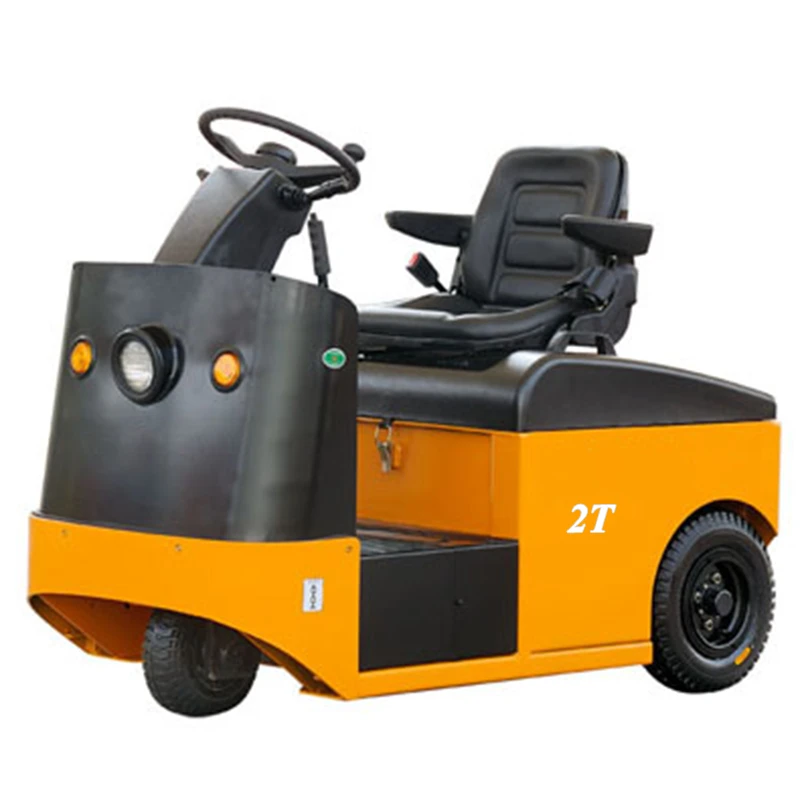
Our Electric Tractor Offerings
As an electric tractor supplier, we offer a range of high - quality electric tractors to meet different customer needs. Our 10 Ton Electric Tractor Stability is designed for heavy - duty applications. It provides excellent stability and power, making it suitable for industrial and large - scale agricultural operations.
For those with smaller - scale needs, our Electric Small Tractor is a great option. It is compact, easy to maneuver, and highly efficient. It can be used in small farms, gardens, or warehouses.
And our Compact Electric Tractor is perfect for applications where space is limited. It combines the benefits of electric power with a compact design, allowing it to operate in tight spaces.
Conclusion
In conclusion, electric tractors are generally more environmentally friendly than diesel tractors. They produce zero tailpipe emissions, are more energy - efficient, generate less noise pollution, and have a lower overall environmental impact when considering the entire lifecycle. As the demand for sustainable agricultural and industrial practices continues to grow, electric tractors are becoming an increasingly attractive option.
If you are interested in learning more about our electric tractors or are considering making a purchase, we invite you to contact us for a detailed discussion. Our team of experts is ready to provide you with all the information you need and help you find the perfect electric tractor for your needs.
References
- Union of Concerned Scientists. "Electric Vehicles: Cleaner Emissions from Every Angle."
- International Council on Clean Transportation. "Life - Cycle Assessment of Greenhouse Gas Emissions from Passenger Vehicles."
- Environmental Protection Agency. "Diesel Emissions and Air Quality."