


Hey there! As a supplier of electric stacker trucks, I often get asked, "Are electric stacker trucks stable when lifting heavy loads?" It's a super important question, especially if you're in the business of moving and storing heavy goods. Let's dig into this topic and find out the ins and outs of the stability of these nifty machines.
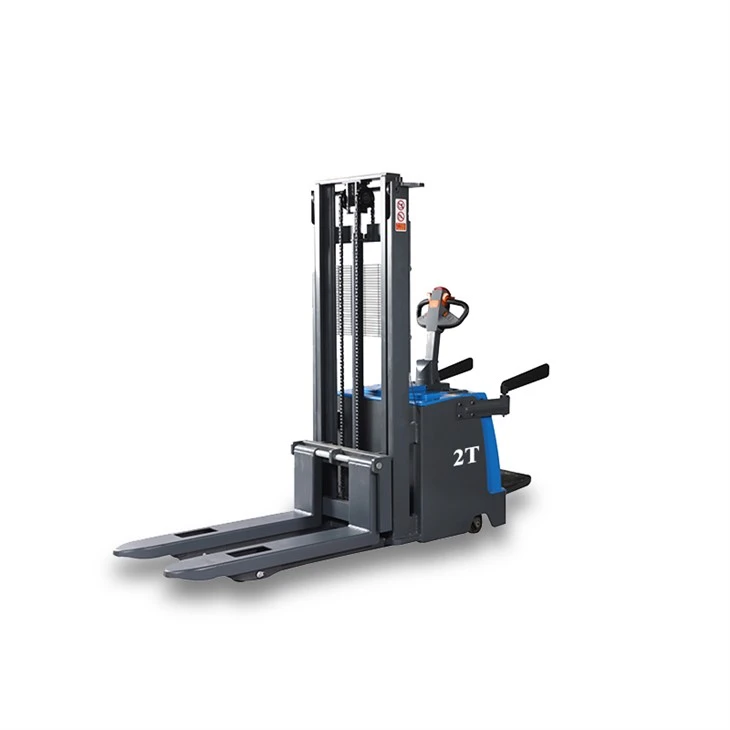
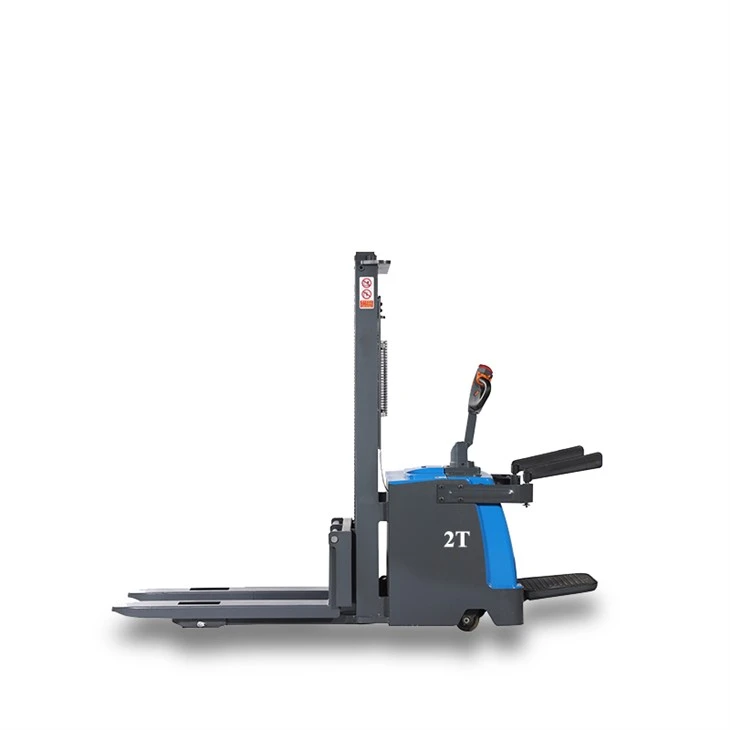
First off, let's understand what an electric stacker truck is. These are basically powered vehicles designed to lift and stack pallets or heavy items in warehouses, factories, and other industrial settings. There are different types, like the Electric Pallet Jack Stacker, Small Electric Pallet Stacker, and Electric Stacker Pallet Jack. Each type has its own features and is suitable for different tasks, but the key question remains: how stable are they?
Factors Affecting Stability
1. Design and Construction
The design of an electric stacker truck plays a huge role in its stability. Most modern stackers are built with a low center of gravity. This means that the heaviest parts of the machine, like the battery and the motor, are located near the ground. When you have a low center of gravity, the truck is less likely to tip over, even when it's carrying a heavy load.
For example, the frame of the truck is usually made of strong and durable materials like steel. This gives the truck the strength it needs to support heavy loads without bending or breaking. The forks, which are used to lift the pallets, are also designed to be sturdy and well - balanced. They are often adjustable to fit different pallet sizes, and this adjustability helps in distributing the weight evenly.
2. Weight Distribution
Proper weight distribution is crucial for the stability of an electric stacker truck. When you load a pallet onto the forks, you need to make sure that the weight is centered. If the load is off - center, it can cause the truck to become unstable.
Many stacker trucks come with features to help with weight distribution. Some have sensors that can detect if the load is unevenly distributed and will alert the operator. Others have adjustable forks or counterweights that can be moved to balance the load.
3. Load Capacity
Every electric stacker truck has a specified load capacity. This is the maximum weight that the truck can safely lift and carry. It's important not to exceed this capacity, as doing so can seriously compromise the stability of the truck.
For instance, if you try to lift a load that is much heavier than the truck's rated capacity, the truck may tip forward or backward. This can not only damage the truck but also pose a serious safety risk to the operator and anyone in the vicinity.
4. Mast Design
The mast is the part of the stacker truck that raises and lowers the forks. The design of the mast can affect the stability of the truck, especially when the forks are at a high level.
There are different types of masts, such as single - stage, two - stage, and three - stage masts. As the number of stages increases, the height to which the forks can be lifted also increases. However, a taller mast can make the truck less stable, especially when fully extended.
To counter this, some stacker trucks have advanced mast designs with additional support structures. These structures help to keep the mast stable and prevent it from swaying or bending under the weight of the load.
Testing and Certification
Most electric stacker trucks on the market today go through rigorous testing and certification processes. Manufacturers test their trucks to ensure that they meet certain safety and stability standards.
For example, they may conduct load - testing, where the truck is loaded with different weights and tested at various heights and angles. They also test the truck's stability on different types of surfaces, such as uneven floors or slopes.
Certifications from recognized organizations, like the International Organization for Standardization (ISO), are a good indication that the truck has been tested and meets the required safety and stability standards. When you're looking to buy an electric stacker truck, it's a good idea to check for these certifications.
Real - World Performance
In real - world situations, electric stacker trucks generally perform well in terms of stability. They are widely used in warehouses and industrial facilities around the world, and operators rely on them to move heavy loads safely and efficiently.
However, there are some situations where the stability of the truck can be challenged. For example, if the floor is wet or slippery, the truck may have trouble maintaining its grip. In such cases, the operator needs to be extra careful and may need to reduce the speed of the truck.
Another situation is when the truck is turning while carrying a heavy load. Sharp turns can cause the load to shift, which can affect the stability of the truck. Operators are usually trained to make smooth and gradual turns to minimize this risk.
Maintenance and Safety
Regular maintenance is essential for keeping an electric stacker truck stable. This includes checking the tires for wear and tear, making sure the forks are in good condition, and inspecting the mast for any signs of damage.
Safety features also play an important role in ensuring the stability of the truck. Many stacker trucks are equipped with safety brakes that will automatically engage if the truck starts to tip over. Some also have speed limiters that will reduce the speed of the truck when it's carrying a heavy load or when the forks are at a high level.
Conclusion
So, are electric stacker trucks stable when lifting heavy loads? The answer is yes, but it depends on several factors. With proper design, weight distribution, and adherence to load capacity limits, electric stacker trucks can be very stable. However, it's important to remember that the stability of the truck also depends on how it's used and maintained.
If you're in the market for an electric stacker truck, make sure to choose a high - quality model from a reputable manufacturer. Look for trucks that have good design features, proper safety certifications, and a good track record of stability.
If you have any questions about our electric stacker trucks or need more information on how to choose the right one for your needs, don't hesitate to reach out. We're here to help you make the best decision for your business. Whether you're looking for an Electric Pallet Jack Stacker, Small Electric Pallet Stacker, or Electric Stacker Pallet Jack, we've got you covered. Let's start a conversation and see how we can help you improve your material handling operations.
References
- Industrial Truck Association (ITA) - Guidelines on Electric Stacker Truck Safety and Stability
- Manufacturer's Manuals for Electric Stacker Trucks
- OSHA (Occupational Safety and Health Administration) Regulations on Forklift and Stacker Truck Operations