


Hey there! As a forklift supplier, I often get asked about the payload capacity of forklifts. It's a crucial factor that can make or break your material handling operations. So, let's dive right in and explore what payload capacity really means and how it impacts your choices.
First off, what exactly is payload capacity? Simply put, it's the maximum weight a forklift can safely lift and carry. This isn't just about the weight of the load itself; it also takes into account the weight of any attachments, like forks or clamps. Think of it as the upper limit of what your forklift can handle without compromising safety or performance.
There are several factors that influence a forklift's payload capacity. One of the most significant is the forklift's design and construction. Different models are built with different capabilities in mind. For example, a small, electric forklift used in a warehouse might have a payload capacity of around 1 - 3 tons. These are great for light - duty tasks like moving pallets around a confined space. On the other hand, a large, diesel - powered forklift designed for heavy - duty industrial work could handle payloads of 5 tons or more.
The type of mast on the forklift also plays a role. A single - stage mast generally has a higher payload capacity compared to a multi - stage mast. This is because multi - stage masts are more complex and can be more prone to instability when fully extended. When the mast is extended, the center of gravity of the forklift changes, and the higher the lift, the lower the payload capacity usually becomes.
Another factor is the load center. The load center is the distance from the face of the forks to the center of gravity of the load. Most forklifts are rated with a standard load center, usually 24 inches (600 mm) for a standard pallet. If your load has a different load center, say it's longer or more unevenly distributed, the payload capacity will be affected. A load with a greater load center will reduce the forklift's effective payload capacity because it creates more leverage and puts more stress on the forklift's structure.
Tire type and condition are also important. Forklifts can have different types of tires, such as pneumatic (air - filled) or solid rubber tires. Pneumatic tires provide better traction and shock absorption, which can be beneficial for outdoor use or uneven surfaces. However, they also require more maintenance. Solid rubber tires are more durable and are often used in indoor environments. Worn - out tires can reduce the forklift's stability and, in turn, its payload capacity.
Now, let's talk about why payload capacity matters to you. If you're running a business that involves moving heavy goods, choosing the right forklift with an appropriate payload capacity is essential. If you underestimate the payload capacity and try to lift a load that's too heavy, it can lead to accidents. The forklift could tip over, causing damage to the equipment, the load, and potentially injuring workers. On the other hand, if you overestimate the payload capacity and buy a forklift that's too large for your needs, you'll end up spending more money on equipment, fuel, and maintenance than necessary.
As a forklift supplier, I've seen many customers make the mistake of not fully understanding payload capacity. Some think they can get away with using a smaller, cheaper forklift for heavier loads, but it always comes back to bite them. That's why I always recommend doing a thorough assessment of your material handling needs before making a purchase. Consider the types of loads you'll be moving, the frequency of lifting, and the working environment.
When it comes to different types of forklifts, electric forklifts are becoming increasingly popular, especially for indoor use. They offer several advantages, including lower emissions, quieter operation, and less maintenance in some cases. If you're interested in an electric option, check out our Battery Forklift Lithium. Lithium - ion batteries are a great choice for electric forklifts as they offer longer run times, faster charging, and a longer lifespan compared to traditional lead - acid batteries.
Diesel and propane forklifts are still widely used, especially for outdoor and heavy - duty applications. Diesel forklifts are known for their high power and durability, making them suitable for handling large and heavy loads. Propane forklifts offer a good balance between power and environmental friendliness. They produce fewer emissions than diesel forklifts and are often more cost - effective to operate in certain situations.
So, how do you determine the right payload capacity for your business? Start by making a list of the heaviest loads you typically handle. Don't forget to account for any future growth or changes in your operations. Measure the load center of your typical loads as well. If you're not sure how to do this, we're here to help. Our team of experts can assist you in accurately assessing your needs and recommending the right forklift.
Once you have a good idea of the payload capacity you need, you can start looking at different forklift models. Compare the specifications of each model, including the maximum payload capacity at different lift heights and load centers. Don't forget to consider other factors like fuel type, mast type, and tire type as well.
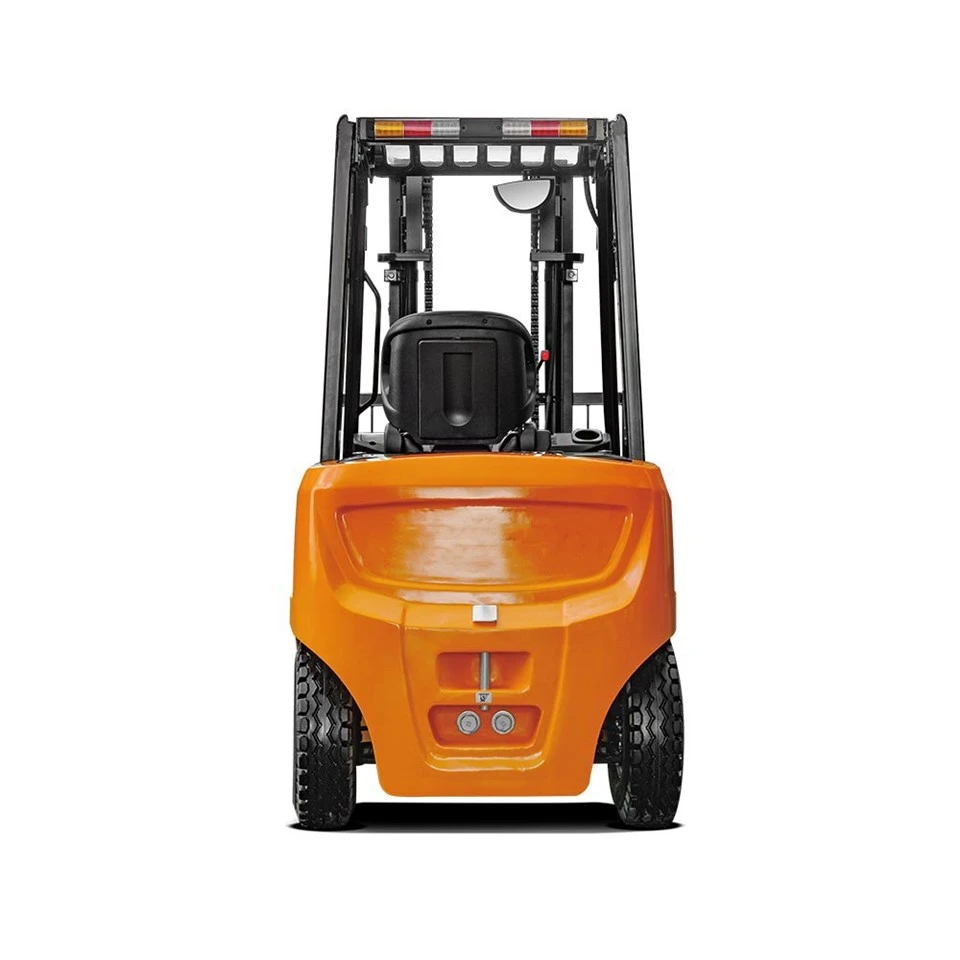

When you're ready to make a decision, it's important to work with a reputable forklift supplier. We have a wide range of forklifts in stock, from small electric models to large diesel - powered ones. We also offer after - sales support, including maintenance, repairs, and parts replacement. Our goal is to make sure you get the right forklift for your needs and that it performs well for years to come.
If you're interested in learning more about forklift payload capacity or have any questions about our products, don't hesitate to get in touch. We're here to answer all your questions and help you make an informed decision. Whether you're a small business just starting out or a large industrial operation, we have the expertise and the products to meet your material handling needs.
Contact us today to start the conversation about finding the perfect forklift for your business. Let's work together to ensure your operations run smoothly and efficiently.
References:
- "Forklift Operator's Manual" - Various manufacturers
- "Material Handling Equipment Handbook" - Industry publications