


Hey there! As a supplier of electric small tractors, I often get asked about the electrical consumption rate of these nifty machines during different tasks. It's a super important topic, especially for folks looking to manage their costs and make the most out of their equipment. So, let's dive right in and explore how much juice these electric small tractors guzzle up under various scenarios.
First off, let's talk about the basics. The electrical consumption rate of an electric small tractor is measured in kilowatt - hours (kWh). It depends on a bunch of factors, like the tractor's power rating, the load it's carrying, the terrain it's operating on, and the duration of the task.
Light - Duty Tasks
Light - duty tasks are like the easy - peasy jobs for our electric small tractors. These could include things like moving small loads around a warehouse, transporting gardening tools in a greenhouse, or just doing some light towing on a flat surface.
For these light - duty tasks, the electrical consumption rate is relatively low. A typical electric small tractor with a power rating of around 2 - 3 kW might consume about 0.5 - 1 kWh per hour of operation. This is because the tractor doesn't have to work too hard. The motor doesn't need to draw a large amount of electricity to move the light load smoothly.
Let's say you're using a Compact Electric Tractor to move small crates in a warehouse. The flat and smooth surface means less resistance, and the small load means less power is required. So, you can expect to get a decent amount of work done without draining the battery too quickly.
Medium - Duty Tasks
Medium - duty tasks step it up a notch. This could involve moving heavier loads within a larger industrial area, or towing equipment over a slightly uneven surface. For example, if you're using the tractor to move pallets of building materials around a construction site, that's a medium - duty task.
In these cases, the electrical consumption rate goes up. An electric small tractor with a power rating of 4 - 6 kW might consume around 1 - 2 kWh per hour. The increased load and potentially more challenging terrain mean the motor has to work harder, drawing more electricity from the battery.
The 20 Ton Car Type Tractor is a great option for medium - duty tasks. With its higher power capacity, it can handle heavier loads, but it also consumes more electricity in the process.
Heavy - Duty Tasks
Heavy - duty tasks are the real test for our electric small tractors. These include moving extremely heavy loads, like large machinery or full containers, or working on rough and hilly terrains. For instance, if you're using the tractor to tow a large generator up a slope at a mining site, that's a heavy - duty job.
During heavy - duty tasks, the electrical consumption rate can be significantly higher. A tractor with a power rating of 8 - 10 kW or more could consume 3 - 5 kWh per hour or even more. The motor has to generate a lot of torque to move the heavy load, and the uneven terrain adds to the energy demand.
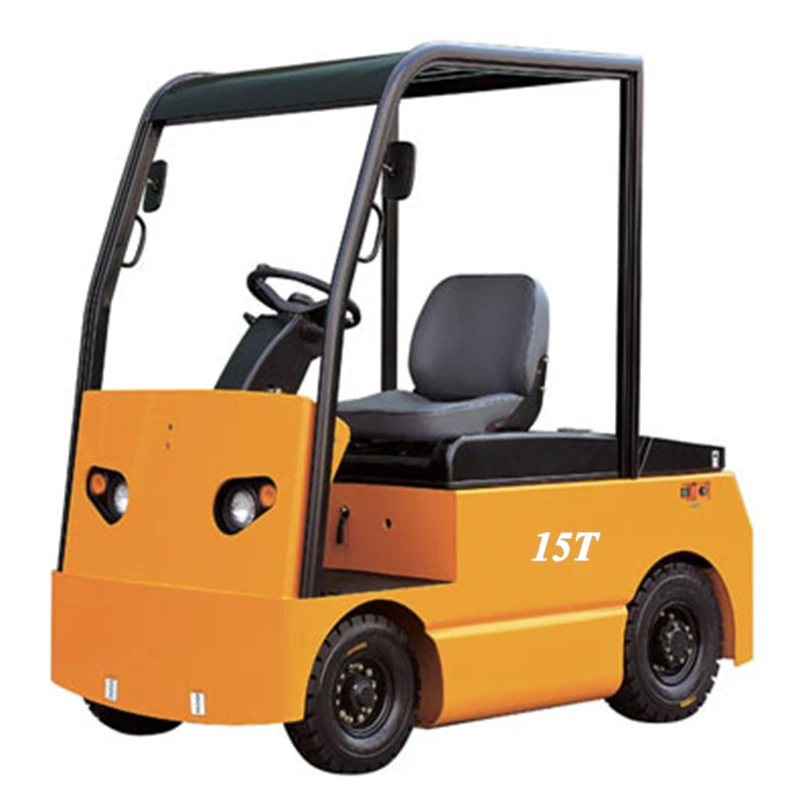
The 15 Ton Electric Tractor Stability is designed for such heavy - duty tasks. Its powerful motor allows it to handle large loads, but you need to be aware that it will use up more electricity compared to lighter - duty operations.
Factors Affecting Electrical Consumption
Apart from the type of task, there are other factors that can affect the electrical consumption rate of an electric small tractor.
Battery Efficiency: The efficiency of the tractor's battery plays a big role. A high - quality battery will convert more of the stored energy into useful work, resulting in lower consumption. Older or lower - quality batteries may not be as efficient, leading to higher electricity usage.
Operator Skills: Believe it or not, how the operator drives the tractor can also impact consumption. A skilled operator who knows how to accelerate and decelerate smoothly, and who avoids unnecessary idling, can help reduce the electrical consumption. On the other hand, a novice operator who frequently jerks the tractor or leaves it running when not in use can waste a lot of energy.
Maintenance: Regular maintenance of the tractor is crucial. A well - maintained tractor with properly lubricated parts and a well - tuned motor will operate more efficiently, using less electricity. Neglecting maintenance can lead to increased friction and mechanical inefficiencies, which in turn increase the electrical consumption.
Calculating Costs
Now that we know the electrical consumption rates for different tasks, let's talk about how this translates into costs. The cost of electricity varies depending on your location, but let's assume an average cost of $0.15 per kWh.
For a light - duty task where the tractor consumes 0.5 kWh per hour, the cost per hour of operation would be $0.15 x 0.5 = $0.075. For a medium - duty task with a consumption of 1.5 kWh per hour, the cost would be $0.15 x 1.5 = $0.225. And for a heavy - duty task with a consumption of 4 kWh per hour, the cost would be $0.15 x 4 = $0.6.
These costs can add up over time, especially if you're using the tractor for long hours every day. That's why it's important to choose the right tractor for the job and to operate it as efficiently as possible.

Conclusion
So, there you have it! The electrical consumption rate of an electric small tractor varies greatly depending on the task at hand. Light - duty tasks are the most energy - efficient, while heavy - duty tasks require a lot more electricity. By understanding these rates and the factors that affect them, you can make informed decisions about which tractor to choose and how to operate it to minimize costs.
If you're in the market for an electric small tractor, or if you have any questions about their electrical consumption or performance, don't hesitate to reach out. We're here to help you find the perfect tractor for your needs and to ensure you get the most out of your investment.
References
- General knowledge of electric tractor operations and electrical engineering principles.
- Industry reports on electric vehicle energy consumption.