


Forklifts are indispensable workhorses in warehouses, construction sites, and various industrial settings. Ensuring their proper operation and safety is of utmost importance, and a crucial aspect of this is the refueling process. As a forklift supplier, I understand the significance of providing clear and comprehensive safety procedures for refueling forklifts. In this blog post, I will outline the essential steps and precautions to take when refueling different types of forklifts, including those powered by gasoline, diesel, propane, and Battery Forklift Lithium.
General Safety Precautions
Before delving into the specific refueling procedures for different types of forklifts, it is important to emphasize some general safety precautions that apply to all refueling operations:
- Choose a Well-Ventilated Area: Refueling should always be done in a well-ventilated area to prevent the accumulation of flammable vapors. Avoid refueling in enclosed spaces or areas with poor ventilation.
- Turn Off the Engine: Before refueling, turn off the forklift engine and all electrical equipment to prevent the risk of fire or explosion.
- Remove Ignition Sources: Keep all ignition sources, such as cigarettes, open flames, and sparks, away from the refueling area. This includes cell phones, which can generate sparks when used in close proximity to flammable substances.
- Wear Appropriate Personal Protective Equipment (PPE): When refueling, wear appropriate PPE, such as safety glasses, gloves, and a fire-resistant apron, to protect yourself from potential hazards.
- Follow Manufacturer's Instructions: Always follow the manufacturer's instructions and guidelines for refueling your specific forklift model. These instructions can be found in the operator's manual or on the forklift itself.
Refueling Gasoline and Diesel Forklifts
Gasoline and diesel forklifts are commonly used in industrial settings due to their high power and durability. The refueling process for these types of forklifts is relatively straightforward, but it still requires careful attention to safety. Here are the steps to follow when refueling a gasoline or diesel forklift:
- Park the Forklift on a Level Surface: Before refueling, park the forklift on a level surface and engage the parking brake to prevent it from rolling.
- Locate the Fuel Tank: Locate the fuel tank on the forklift. It is usually located on the side or rear of the forklift.
- Open the Fuel Tank Cap: Use a suitable tool, such as a wrench or a screwdriver, to open the fuel tank cap. Be careful not to damage the cap or the fuel tank.
- Insert the Fuel Nozzle: Insert the fuel nozzle into the fuel tank opening. Make sure the nozzle is fully inserted and sealed to prevent fuel from spilling.
- Refuel the Forklift: Slowly and steadily pump the fuel into the tank, being careful not to overfill it. Stop refueling when the fuel level reaches the recommended maximum level.
- Remove the Fuel Nozzle: Once the refueling is complete, carefully remove the fuel nozzle from the fuel tank opening. Wipe off any spilled fuel with a clean, dry cloth.
- Close the Fuel Tank Cap: Replace the fuel tank cap and tighten it securely to prevent fuel from leaking.
- Check for Leaks: After refueling, check the fuel tank and the surrounding area for any signs of fuel leaks. If you notice any leaks, stop using the forklift immediately and contact a qualified technician for repairs.
Refueling Propane Forklifts
Propane forklifts are popular in many industrial applications due to their clean-burning fuel and high torque. However, propane is a flammable gas, and refueling propane forklifts requires special precautions to ensure safety. Here are the steps to follow when refueling a propane forklift:
- Park the Forklift in a Designated Refueling Area: Propane refueling should only be done in a designated refueling area that is well-ventilated and away from ignition sources.
- Turn Off the Engine and All Electrical Equipment: Before refueling, turn off the forklift engine and all electrical equipment to prevent the risk of fire or explosion.
- Locate the Propane Cylinder: Locate the propane cylinder on the forklift. It is usually located on the side or rear of the forklift.
- Check the Propane Cylinder for Damage: Before refueling, inspect the propane cylinder for any signs of damage, such as dents, cracks, or leaks. If you notice any damage, do not refuel the cylinder and contact a qualified technician for repairs.
- Connect the Propane Refueling Hose: Connect the propane refueling hose to the propane cylinder valve. Make sure the connection is tight and secure to prevent propane from leaking.
- Open the Propane Cylinder Valve: Slowly open the propane cylinder valve to allow propane to flow into the cylinder. Be careful not to open the valve too quickly, as this can cause the propane to leak.
- Refuel the Propane Cylinder: Refuel the propane cylinder until it reaches the recommended maximum level. Do not overfill the cylinder, as this can cause it to rupture or explode.
- Close the Propane Cylinder Valve: Once the refueling is complete, close the propane cylinder valve tightly to prevent propane from leaking.
- Disconnect the Propane Refueling Hose: Carefully disconnect the propane refueling hose from the propane cylinder valve. Wipe off any spilled propane with a clean, dry cloth.
- Check for Leaks: After refueling and disconnecting the hose, check the propane cylinder and the surrounding area for any signs of propane leaks. You can use a propane leak detector or a soapy water solution to check for leaks. If you notice any leaks, stop using the forklift immediately and contact a qualified technician for repairs.
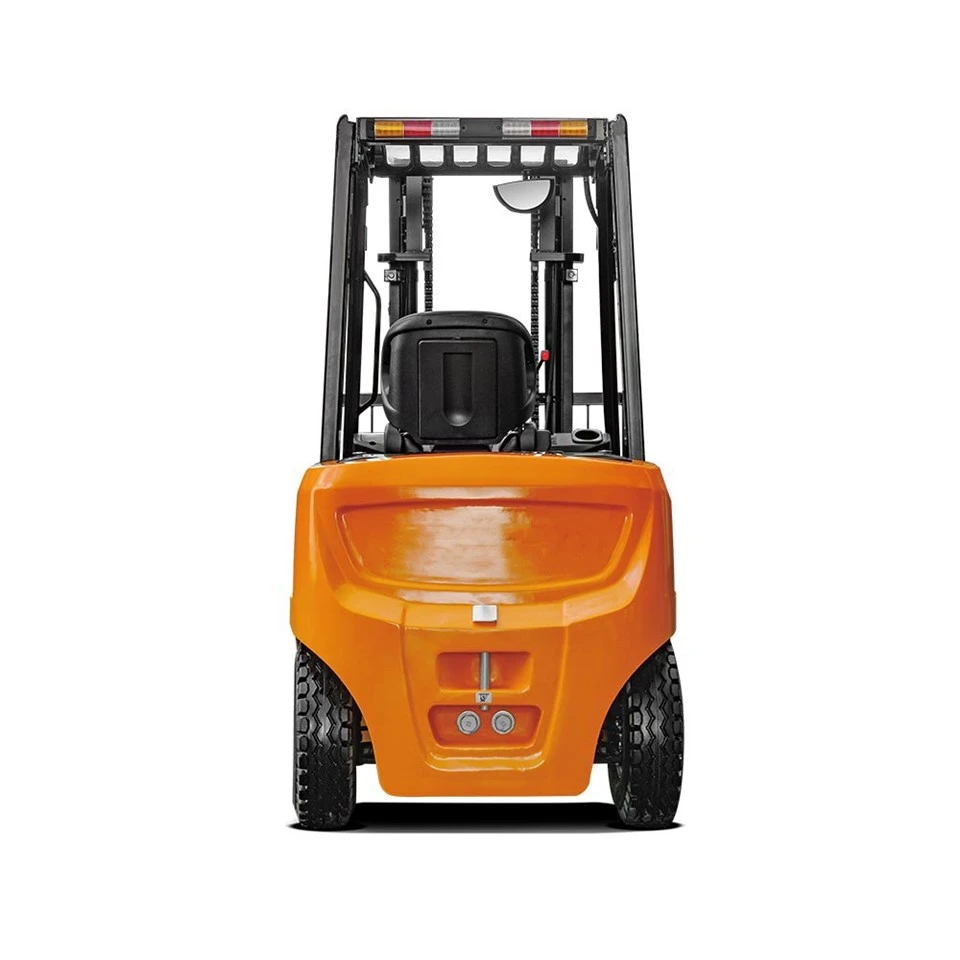
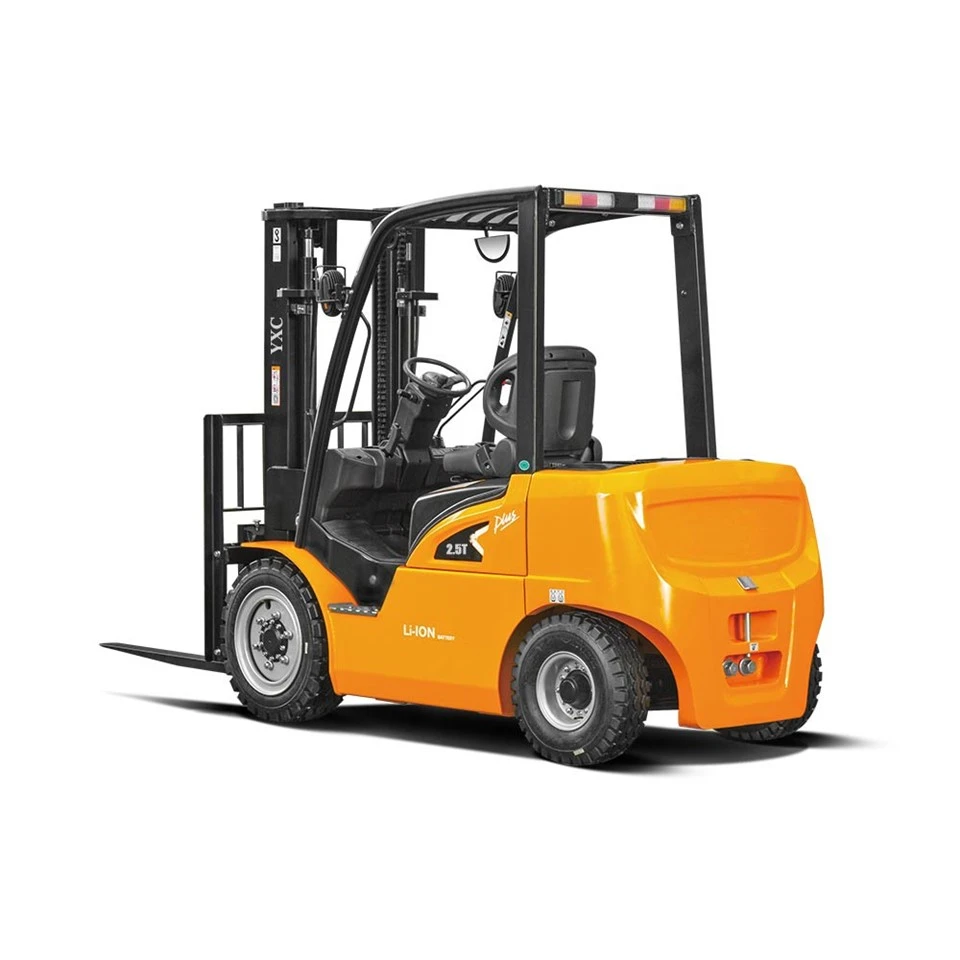
Refueling Battery Forklift Lithium
Lithium battery forklifts are becoming increasingly popular due to their long lifespan, fast charging times, and low maintenance requirements. However, refueling lithium battery forklifts, which involves charging the batteries, also requires specific safety procedures. Here are the steps to follow when charging a lithium battery forklift:
- Park the Forklift in a Charging Area: Park the forklift in a designated charging area that is well-ventilated and away from flammable materials.
- Turn Off the Forklift: Before charging, turn off the forklift and all electrical equipment to prevent the risk of electrical shock.
- Locate the Battery Charger: Locate the battery charger and ensure it is compatible with the lithium battery in your forklift.
- Connect the Charger to the Battery: Connect the charger to the battery terminals according to the manufacturer's instructions. Make sure the connections are tight and secure to prevent electrical arcing.
- Set the Charging Parameters: Set the charging parameters on the charger, such as the charging current and voltage, according to the battery manufacturer's recommendations.
- Start the Charging Process: Start the charging process and monitor the charger and the battery for any signs of overheating, swelling, or other abnormalities.
- Do Not Overcharge the Battery: Do not overcharge the lithium battery, as this can cause damage to the battery and increase the risk of fire or explosion. Most modern chargers are equipped with automatic shut-off features to prevent overcharging.
- Disconnect the Charger: Once the charging is complete and the battery is fully charged, turn off the charger and carefully disconnect it from the battery terminals.
- Inspect the Battery and Charger: After charging, inspect the battery and the charger for any signs of damage or wear. If you notice any issues, contact a qualified technician for further inspection and maintenance.
Conclusion
Refueling a forklift is a critical task that requires careful attention to safety. By following the proper safety procedures and precautions outlined in this blog post, you can minimize the risk of accidents and ensure the safe operation of your forklift. As a forklift supplier, I am committed to providing high-quality forklifts and comprehensive safety information to our customers. If you have any questions or need further assistance with refueling your forklift, please do not hesitate to contact us. We are here to help you make the right choices for your material handling needs and ensure the safety of your operations. Whether you are in the market for a new forklift or need advice on forklift maintenance and safety, we invite you to reach out to us for a discussion. Let's work together to keep your workplace safe and efficient.
References
- Forklift Operator's Manuals
- Occupational Safety and Health Administration (OSHA) Guidelines for Forklift Operation and Refueling
- National Fire Protection Association (NFPA) Standards for Flammable and Combustible Liquids and Gases