


Forklifts are indispensable workhorses in various industries, from warehouses and distribution centers to manufacturing plants. However, like any piece of equipment, they come with certain risks, and one of the most serious threats is the potential for fires. As a forklift supplier, I understand the importance of fire prevention not only for the safety of operators and facilities but also for the longevity of the equipment. In this blog, I'll share some key strategies on how to prevent fires in forklifts.
Regular Maintenance and Inspections
One of the fundamental steps in fire prevention is regular maintenance and inspections. Forklifts, whether they are powered by gasoline, diesel, propane, or electricity, have numerous components that can malfunction and lead to a fire hazard.
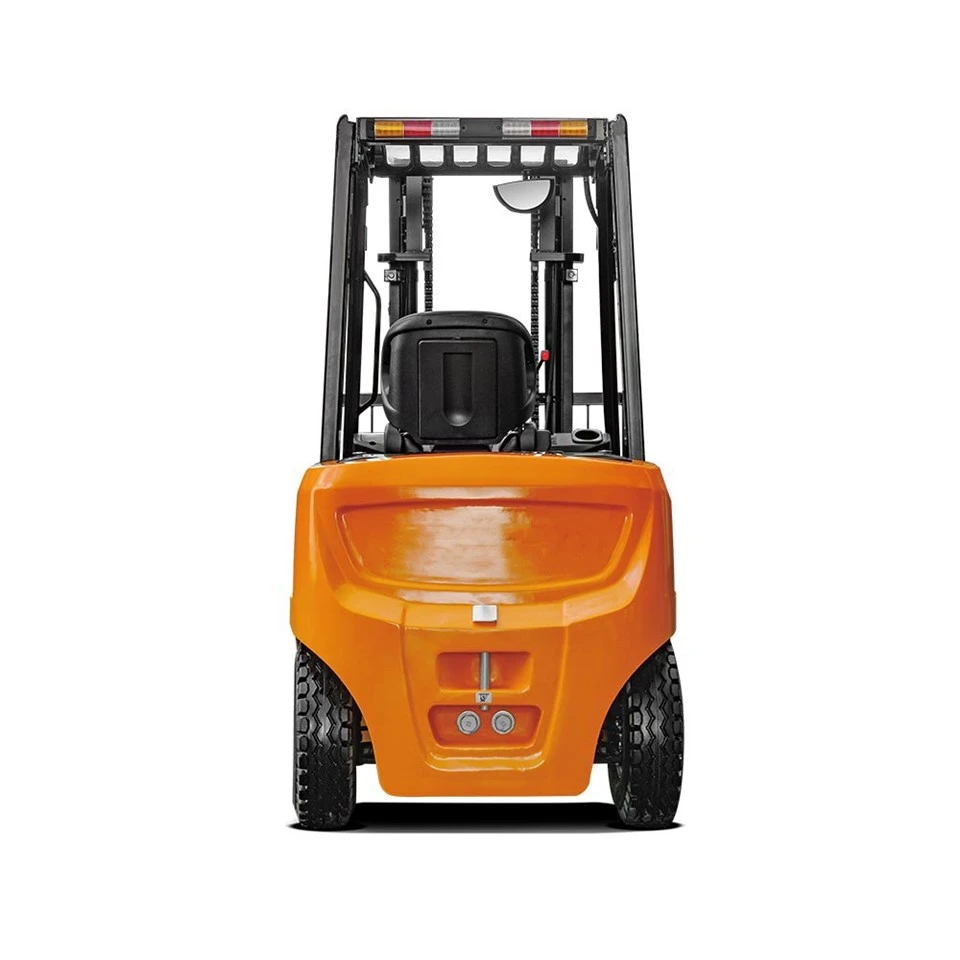

- Engine and Fuel Systems: For forklifts with internal combustion engines, the engine and fuel systems require special attention. Leaking fuel lines, loose connections, or a damaged fuel tank can all be potential ignition sources. During routine maintenance, technicians should check for any signs of fuel leaks, corrosion, or wear in the fuel system. They should also ensure that the fuel filters are clean and the fuel injectors are functioning properly. In the case of propane-powered forklifts, the propane tank and its connections should be inspected for leaks regularly. A simple soapy water test can be used to detect leaks around the valves and fittings. If a leak is detected, the forklift should be taken out of service immediately and repaired by a qualified technician.
- Electrical Systems: Electrical fires are a common concern in forklifts, especially in modern models that rely heavily on electronic components. Faulty wiring, short circuits, or overheating electrical components can all lead to a fire. Regular inspections of the electrical system should include checking the battery terminals for corrosion, ensuring that all wiring is properly insulated and secured, and testing the electrical switches and relays. Any signs of frayed wires, loose connections, or overheating should be addressed promptly. In addition, the forklift's charging system should be inspected to ensure that it is functioning correctly and not overcharging the batteries.
- Brakes and Transmission: The brakes and transmission are critical components of a forklift, and malfunctioning brakes or a slipping transmission can generate excessive heat, which can potentially lead to a fire. Regular maintenance of the brakes should include checking the brake pads for wear, adjusting the brake cables, and inspecting the brake fluid levels. The transmission should also be inspected for proper lubrication and any signs of overheating or abnormal noise. If any issues are detected, they should be repaired immediately to prevent further damage and reduce the risk of fire.
Proper Storage and Handling of Flammable Materials
Forklifts are often used in environments where flammable materials are present, such as warehouses storing gasoline, propane, or other combustible liquids. Proper storage and handling of these materials are essential to prevent fires.
- Storage: Flammable materials should be stored in approved storage containers and in designated areas that are well-ventilated and away from heat sources and ignition sources. The storage area should be clearly marked and equipped with appropriate fire prevention equipment, such as fire extinguishers and sprinkler systems. In addition, the storage containers should be inspected regularly for leaks or damage, and any spills should be cleaned up immediately.
- Handling: When handling flammable materials with a forklift, operators should follow strict safety procedures. They should ensure that the forklift is in good working condition and that the load is properly secured. Operators should also avoid overloading the forklift, as this can put additional stress on the engine and other components and increase the risk of a fire. In addition, operators should be trained on how to handle flammable materials safely, including how to avoid spills and how to respond in case of a fire.
Operator Training and Safety Awareness
The role of the forklift operator in fire prevention cannot be overstated. Proper training and safety awareness are essential to ensure that operators understand the risks associated with forklift operation and know how to prevent fires.
- Training: Forklift operators should receive comprehensive training on forklift operation, including safety procedures, maintenance requirements, and emergency response. The training should cover topics such as how to inspect the forklift before each use, how to operate the forklift safely in different environments, and how to respond in case of a fire. In addition, operators should be trained on how to use fire extinguishers and other fire prevention equipment.
- Safety Awareness: Operators should be made aware of the potential fire hazards associated with forklift operation and should be encouraged to report any safety concerns or issues immediately. They should also be reminded to follow safety procedures at all times, such as wearing appropriate personal protective equipment and avoiding smoking or using open flames near the forklift.
Use of Fire Prevention Equipment
In addition to regular maintenance, proper storage and handling of flammable materials, and operator training, the use of fire prevention equipment can also help reduce the risk of fires in forklifts.
- Fire Extinguishers: Every forklift should be equipped with a suitable fire extinguisher that is easily accessible to the operator. The type of fire extinguisher should be appropriate for the type of fuel used in the forklift. For example, a dry chemical fire extinguisher is suitable for most types of fires, including those involving gasoline, diesel, propane, and electrical equipment. Operators should be trained on how to use the fire extinguisher properly and should be reminded to check the extinguisher regularly to ensure that it is in good working condition.
- Sprinkler Systems: In large warehouses or facilities where multiple forklifts are used, sprinkler systems can provide an additional layer of protection against fires. Sprinkler systems can quickly suppress a fire and prevent it from spreading, reducing the risk of damage to the forklifts and the surrounding environment. The sprinkler system should be inspected and maintained regularly to ensure that it is functioning correctly.
Consider Using Battery Forklift Lithium
When it comes to choosing a forklift, considering a Battery Forklift Lithium can be a smart move for fire prevention. Lithium batteries have several advantages over traditional lead-acid batteries, including a lower risk of thermal runaway, which is a major cause of battery fires. Lithium batteries are also more energy-efficient and have a longer lifespan, which can reduce the overall cost of ownership. However, it's important to ensure that the lithium battery forklift is properly maintained and charged according to the manufacturer's recommendations to minimize the risk of fire.
Conclusion
Preventing fires in forklifts requires a comprehensive approach that includes regular maintenance and inspections, proper storage and handling of flammable materials, operator training and safety awareness, and the use of fire prevention equipment. As a forklift supplier, I am committed to providing our customers with high-quality forklifts and the necessary support to ensure their safe operation. If you have any questions or concerns about fire prevention in forklifts or are interested in purchasing a forklift, please feel free to contact us. We are here to help you make the right choice and ensure the safety of your operations.
References
- OSHA (Occupational Safety and Health Administration). Forklift Safety Standards.
- Manufacturer's manuals for forklift models.
- Industry best practices for forklift maintenance and fire prevention.