


As a forklift supplier, I understand the critical importance of pre - shift inspections for forklifts. These inspections are not just a routine formality; they are a fundamental safety measure that can prevent accidents, reduce downtime, and ensure the efficient operation of your forklift fleet. In this blog, I will guide you through a comprehensive pre - shift inspection process for forklifts.
1. Pre - Inspection Preparations
Before you start the actual inspection, there are a few preparatory steps to take. First, make sure you have the necessary tools at hand. A flashlight can be extremely useful, especially when checking hard - to - reach areas. You may also need a tire pressure gauge to measure the tire pressure accurately.
Next, review the forklift's operator manual. Every forklift model is different, and the manufacturer's manual provides specific guidelines for inspection. It can tell you the recommended tire pressure, fluid levels, and other important details that are unique to your forklift.
2. Visual Inspection
Exterior Inspection
Begin the inspection by walking around the forklift. Look for any visible signs of damage, such as dents, scratches, or cracks. Check the forks for any signs of wear or bending. Bent forks can compromise the forklift's ability to lift loads safely. Inspect the mast for any signs of misalignment or damage. The mast is a crucial component that allows the forks to move up and down, and any issues with it can lead to serious problems.
Check the tires for wear and tear. Look for cuts, bulges, or uneven tread wear. Low tire pressure can also affect the forklift's stability and performance. Use a tire pressure gauge to ensure that the tires are inflated to the recommended level. You can find the recommended tire pressure in the operator's manual.
Battery Inspection (if applicable)
For electric forklifts, the battery is a vital component. Check the battery for any signs of damage, such as cracks or leaks. Make sure the battery connections are clean and tight. Loose connections can cause electrical problems and reduce the battery's efficiency.
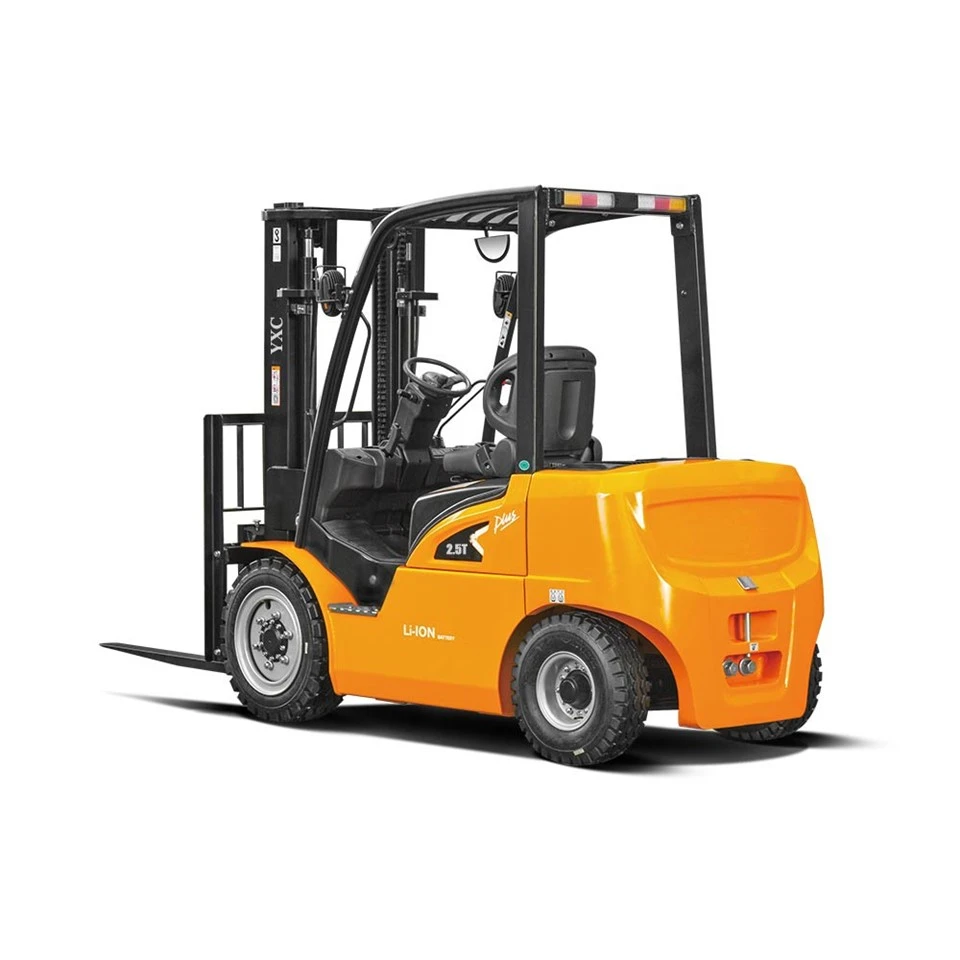
If you are interested in advanced battery technology, you might want to explore our Battery Forklift Lithium. Lithium batteries offer several advantages over traditional lead - acid batteries, including longer life, faster charging, and better performance in cold environments.
Fluid Level Checks
Check the fluid levels of the forklift. This includes the hydraulic fluid, engine oil (for internal combustion forklifts), coolant, and fuel (if applicable). Low fluid levels can cause the forklift to malfunction or even damage its components. The hydraulic fluid is essential for the operation of the forks and mast, so make sure it is at the appropriate level.
3. Operational Checks
Starting the Forklift
Once you have completed the visual inspection, it's time to start the forklift. Sit in the operator's seat and make sure you are comfortable and have a clear view of the controls. Insert the key and start the forklift according to the manufacturer's instructions. Listen for any unusual noises during startup. Grinding, rattling, or squealing noises could indicate a problem with the engine, transmission, or other components.
Testing the Controls
Test all the controls of the forklift. This includes the steering wheel, accelerator, brake, and the controls for the forks and mast. The steering should be responsive and easy to turn. The accelerator should increase the forklift's speed smoothly, and the brake should stop the forklift quickly and safely.
Operate the controls for the forks and mast. The forks should lift and lower smoothly, and the mast should tilt forward and backward without any hesitation. If you notice any stiffness or irregularities in the controls, it could be a sign of a hydraulic or mechanical problem.
Testing the Lights and Horn
Check all the lights on the forklift, including the headlights, taillights, and turn signals. The lights should be bright and functioning properly. A malfunctioning light can be a safety hazard, especially when operating the forklift in low - light conditions.
Test the horn to make sure it is loud and audible. The horn is an important safety feature that can be used to alert other workers in the area.
4. Post - Inspection Actions
Documenting the Inspection
After completing the inspection, it is important to document the results. Keep a log of the inspection, including any issues you found and the actions you took to address them. This documentation can be useful for maintenance planning and can also serve as a record of compliance with safety regulations.
Reporting and Addressing Issues
If you found any issues during the inspection, report them immediately to your supervisor or the maintenance department. Minor issues, such as a loose battery connection, can often be fixed quickly. However, more serious issues, such as a damaged mast or a faulty brake, may require professional repair.
Do not operate the forklift if you suspect it is not safe. It is better to take the time to fix the problem than to risk an accident.
5. Importance of Regular Pre - Shift Inspections
Regular pre - shift inspections are essential for several reasons. First and foremost, they enhance safety. By identifying and addressing potential problems before operating the forklift, you can prevent accidents that could harm the operator, other workers, or damage the equipment.
Secondly, pre - shift inspections can reduce downtime. Catching a problem early can prevent it from becoming a major issue that requires extensive repairs and takes the forklift out of service for an extended period.
Finally, regular inspections can extend the lifespan of the forklift. By maintaining the forklift in good condition, you can reduce wear and tear on its components and avoid costly replacements.
6. Training for Pre - Shift Inspections
Proper training is crucial for conducting effective pre - shift inspections. As a forklift supplier, we offer training programs for forklift operators. These programs cover all aspects of forklift operation, including pre - shift inspections.
During the training, operators learn how to perform a thorough inspection, how to identify potential problems, and how to document and report issues. We also provide refresher courses to ensure that operators stay up - to - date with the latest inspection procedures and safety regulations.
7. Contact for Purchase and Consultation
If you are in the market for a new forklift or need to upgrade your existing fleet, we are here to help. Our team of experts can assist you in choosing the right forklift for your specific needs. We offer a wide range of forklifts, including electric, diesel, and propane - powered models.
Whether you are looking for a standard forklift or a specialized model for a particular application, we have the solution for you. Contact us today to start a purchase negotiation and find out how we can help you improve your material handling operations.
References
- Forklift Operator's Manuals (various manufacturers)
- Occupational Safety and Health Administration (OSHA) regulations on forklift safety
- Industry best practices for forklift maintenance and inspection