


Hey there! As a forklift supplier, I've seen firsthand the importance of proper ventilation when using a forklift indoors. Forklifts are essential in many warehouses and indoor industrial settings, but they can also pose significant health risks if not used in a well - ventilated area. In this blog, I'll share some tips on how to ensure proper ventilation when using a forklift indoors.
Why Proper Ventilation Matters
First off, let's talk about why ventilation is such a big deal. Forklifts, especially those powered by gasoline, diesel, or propane, emit harmful exhaust gases. These gases include carbon monoxide (CO), nitrogen oxides (NOx), and particulate matter. Carbon monoxide is particularly dangerous because it's odorless and colorless. When inhaled, it binds to hemoglobin in the blood, reducing the blood's ability to carry oxygen. This can lead to headaches, dizziness, nausea, and in severe cases, even death.
Nitrogen oxides can cause respiratory problems, such as coughing, shortness of breath, and irritation of the lungs. Particulate matter can also be inhaled deep into the lungs and cause long - term health issues, like lung cancer and chronic obstructive pulmonary disease (COPD).
So, ensuring proper ventilation isn't just a good idea; it's a necessity to protect the health and safety of your workers.
Types of Forklifts and Their Ventilation Needs
Different types of forklifts have different ventilation requirements.
Gasoline, Diesel, and Propane Forklifts
These traditional fuel - powered forklifts produce the most exhaust gases. They need a high - volume ventilation system to remove the harmful fumes from the indoor environment. A general rule of thumb is to have a ventilation rate of at least 100 cubic feet per minute (CFM) of fresh air per horsepower of the forklift engine. For example, if you have a 50 - horsepower forklift, you'll need a ventilation system that can supply at least 5,000 CFM of fresh air.
Electric Forklifts
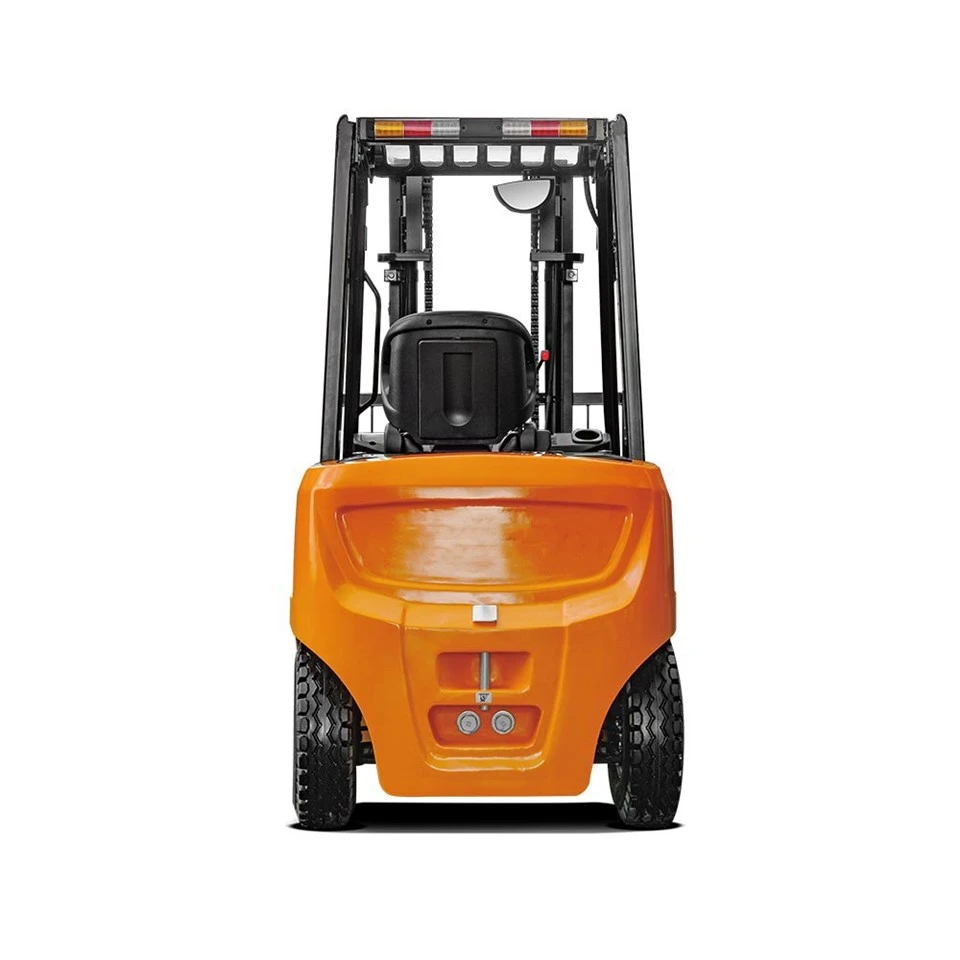
Electric forklifts are a great option for indoor use because they produce zero emissions at the point of use. However, you still need to consider ventilation when charging the batteries. Battery charging can produce hydrogen gas, which is highly flammable. So, the battery charging area should be well - ventilated to prevent the build - up of hydrogen gas. You can check out our Battery Forklift Lithium for a more eco - friendly and low - maintenance electric option.
Assessing Your Indoor Space
Before you start using a forklift indoors, you need to assess your indoor space to determine the best ventilation strategy.
Measure the Space
The first step is to measure the size of your indoor area. You'll need to know the length, width, and height of the space to calculate the volume. The volume of the space will help you determine how much fresh air needs to be supplied to maintain proper ventilation.
Identify Potential Obstructions
Look for any potential obstructions that could block the flow of air. This could include large storage racks, machinery, or partitions. You may need to rearrange some of these items to ensure a clear path for air circulation.
Check Existing Ventilation Systems
If your indoor space already has a ventilation system, check its capacity and efficiency. Make sure it's in good working condition and can handle the additional load of forklift exhaust. If the existing system is inadequate, you may need to upgrade it or install additional ventilation equipment.
Ventilation Strategies
Now that you've assessed your space, let's look at some ventilation strategies.
Natural Ventilation
Natural ventilation is the simplest and most cost - effective way to ventilate an indoor space. It involves using windows, doors, and vents to allow fresh air to enter and stale air to exit. However, natural ventilation may not be sufficient for large indoor areas or areas with high forklift traffic.
Mechanical Ventilation
Mechanical ventilation systems use fans and ducts to move air in and out of the indoor space. There are two main types of mechanical ventilation systems:
-
Exhaust Ventilation: This system uses fans to remove stale air from the indoor space. The exhaust fans are usually installed near the ceiling to capture the warm, contaminated air. Fresh air enters the space through open doors, windows, or intake vents.
-
Supply Ventilation: Supply ventilation systems use fans to blow fresh air into the indoor space. The fresh air is typically filtered to remove dust and other contaminants. Stale air exits the space through exhaust vents or open doors and windows.
-
Balanced Ventilation: A balanced ventilation system combines both exhaust and supply ventilation. It ensures a constant flow of fresh air into the space while removing an equal amount of stale air. This type of system is the most effective for maintaining a healthy indoor environment.
Monitoring and Maintenance
Once you've installed a ventilation system, you need to monitor and maintain it regularly.
Air Quality Monitoring
Use air quality monitors to measure the levels of carbon monoxide, nitrogen oxides, and other harmful gases in the indoor air. If the levels exceed the recommended limits, you may need to adjust the ventilation system or reduce the number of forklifts in use.

Ventilation System Maintenance
Regularly inspect and maintain your ventilation system. Clean or replace air filters as needed, check the fans and ducts for damage, and make sure all components are working properly. A well - maintained ventilation system will be more efficient and effective at removing harmful fumes.
Employee Training
Finally, don't forget to train your employees on the importance of proper ventilation. Make sure they understand the health risks associated with forklift exhaust and know how to use the ventilation system correctly. Encourage them to report any ventilation problems or unusual odors immediately.
Conclusion
Proper ventilation is crucial when using a forklift indoors. By understanding the different types of forklifts and their ventilation needs, assessing your indoor space, implementing the right ventilation strategies, and monitoring and maintaining your ventilation system, you can create a safe and healthy working environment for your employees.
If you're in the market for a new forklift or need advice on ventilation systems, don't hesitate to reach out to us. We're here to help you make the best choices for your business. Whether you're interested in our Battery Forklift Lithium or other types of forklifts, we've got you covered. Contact us today to start the procurement and negotiation process!
References
- Occupational Safety and Health Administration (OSHA). "Ventilation in General Industry."
- American Conference of Governmental Industrial Hygienists (ACGIH). "Threshold Limit Values for Chemical Substances and Physical Agents and Biological Exposure Indices."