


In the realm of modern agriculture and industrial operations, the choice of tractor power source is a crucial decision that impacts efficiency, cost, and environmental sustainability. As a leading provider of electric small tractors, I've witnessed firsthand the growing interest in how these compact machines stack up against other power sources in terms of energy efficiency. In this blog, I'll delve into a comprehensive comparison to shed light on the unique advantages of electric small tractors.
Understanding Energy Efficiency Metrics
Before we dive into the comparison, it's essential to understand the key metrics used to evaluate energy efficiency. For tractors, these typically include fuel consumption (or electricity consumption in the case of electric tractors), power output, and the overall work rate. Fuel consumption is measured in liters per hour or kilowatt - hours per hour for electric tractors. Power output is usually expressed in horsepower (hp) or kilowatts (kW), and the work rate is determined by the amount of work the tractor can complete in a given time frame, such as plowing an acre of land or towing a certain weight over a distance.
Diesel - Powered Tractors: The Traditional Choice
Diesel - powered tractors have long been the mainstay of the agricultural and industrial sectors. They are known for their high torque, which makes them suitable for heavy - duty tasks such as pulling large implements or towing heavy loads. However, when it comes to energy efficiency, diesel tractors have several drawbacks.
Diesel engines are internal combustion engines, which means they burn fuel to generate power. This process is inherently inefficient, with a significant amount of energy being lost as heat. On average, a diesel tractor may convert only about 30 - 40% of the fuel's energy into useful work. The rest is wasted as heat, noise, and exhaust emissions. Additionally, diesel fuel prices can be volatile, and the cost of maintenance for diesel engines is relatively high due to the complexity of the engine components and the need for regular oil changes, filter replacements, and tune - ups.
Gasoline - Powered Tractors: A Less - Common Alternative
Gasoline - powered tractors are less common than their diesel counterparts, especially in large - scale agricultural and industrial applications. Gasoline engines are generally lighter and more compact than diesel engines, which can be an advantage for small - scale operations. However, they also have lower torque and are less fuel - efficient.
Gasoline engines typically convert about 20 - 30% of the fuel's energy into useful work. They are more prone to overheating, and their power output tends to drop off at high loads. Moreover, gasoline is often more expensive than diesel, and the emissions from gasoline engines are also a concern, as they contain pollutants such as carbon monoxide, hydrocarbons, and nitrogen oxides.
Electric Small Tractors: The Energy - Efficient Solution
As a supplier of electric small tractors, I'm confident in highlighting their numerous energy - efficiency benefits. Electric tractors operate on electric motors, which are much more efficient than internal combustion engines. An electric motor can convert up to 90% of the electrical energy from the battery into useful work. This means that for the same amount of energy input, an electric small tractor can perform significantly more work than a diesel or gasoline - powered tractor.
One of the key advantages of electric small tractors is their regenerative braking system. When the tractor slows down or brakes, the electric motor acts as a generator, converting the kinetic energy of the moving tractor back into electrical energy and storing it in the battery. This feature not only improves energy efficiency but also extends the battery life.
In addition to their high energy efficiency, electric small tractors have lower operating costs. Electricity is generally cheaper than diesel or gasoline, and the maintenance requirements for electric motors are minimal compared to internal combustion engines. There are no oil changes, spark plug replacements, or complex fuel injection systems to worry about. Electric tractors also produce zero tailpipe emissions, making them a more environmentally friendly choice.
Case Studies and Real - World Applications
To illustrate the energy - efficiency differences between electric small tractors and other power sources, let's look at some real - world examples.
A small - scale organic farm in the Midwest switched from a diesel - powered tractor to an electric small tractor for its daily operations. The diesel tractor had a fuel consumption of about 5 liters per hour, while the electric tractor consumed about 10 kilowatt - hours per hour. Based on the local fuel and electricity prices, the farm was able to reduce its energy costs by over 50% by using the electric tractor. Additionally, the electric tractor's quiet operation and zero emissions were a major advantage for the farm, as it was located in a residential area.
In an industrial setting, a warehouse that used a gasoline - powered tractor for moving pallets switched to an Electric Compact Car Tractor. The gasoline tractor had a limited range and required frequent refueling, which disrupted the workflow. The electric tractor, on the other hand, could operate for an entire shift on a single charge and had a much lower energy consumption. The warehouse was able to increase its productivity and reduce its energy costs by making the switch.
Comparing Load - Handling Capabilities and Energy Efficiency
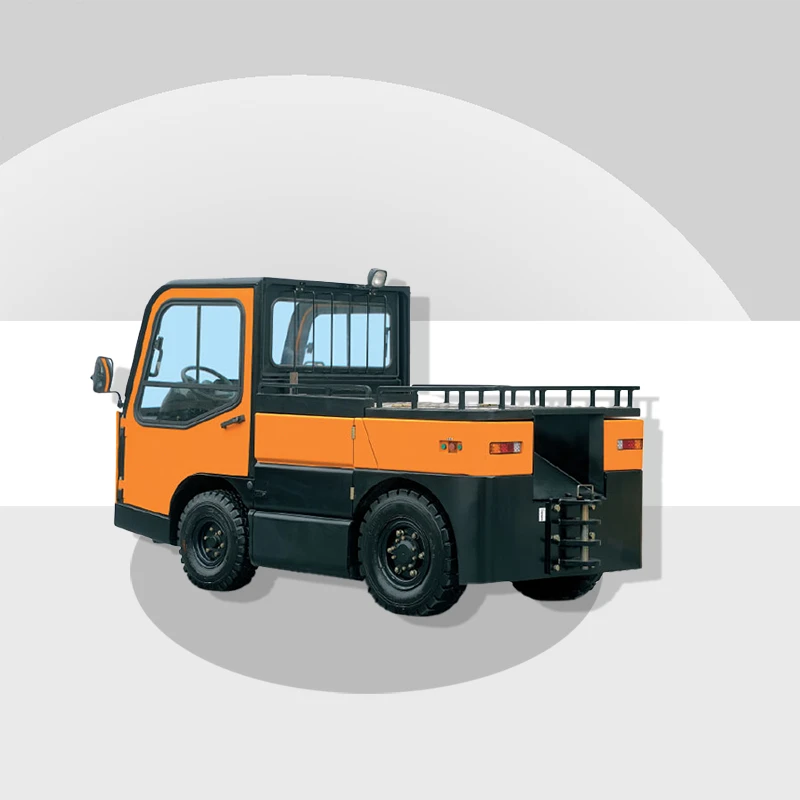
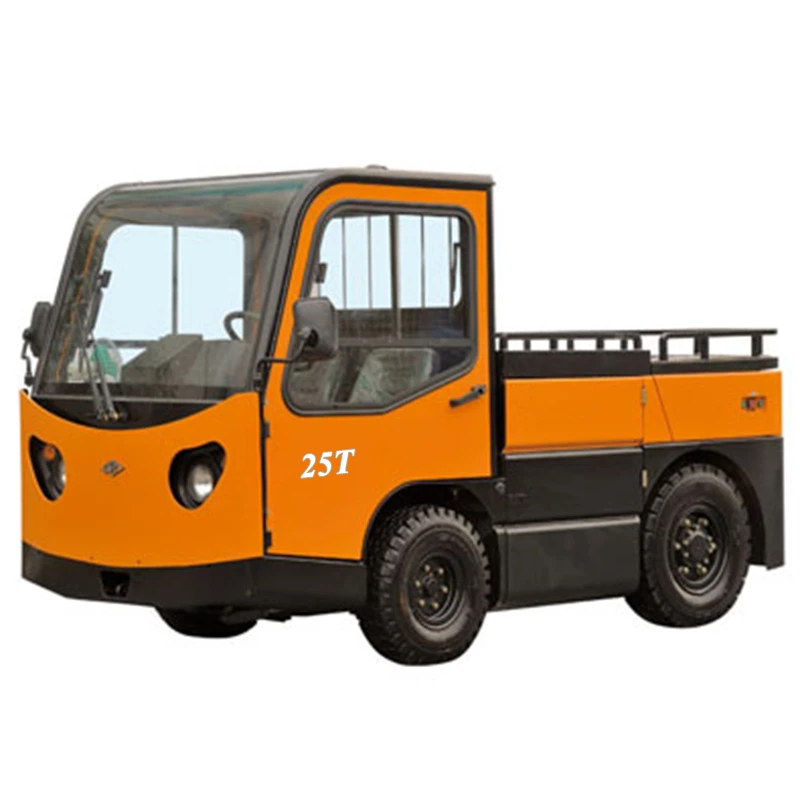
When it comes to load - handling capabilities, electric small tractors have made significant strides in recent years. Our 10 Ton Electric Tractor Stability and 25 Ton Car Type Tonnage Tractor models are designed to handle heavy loads with ease while maintaining high energy efficiency.
Electric motors provide instant torque, which means that electric tractors can start moving heavy loads more quickly and smoothly than diesel or gasoline - powered tractors. This feature not only improves productivity but also reduces the energy required to get the load moving. In addition, the advanced battery management systems in our electric tractors ensure that the battery power is used efficiently, even under heavy loads.
The Future of Tractor Power Sources
The trend towards energy - efficient and environmentally friendly power sources is only going to continue in the future. As battery technology continues to improve, the range and performance of electric small tractors will only get better. We are already seeing advancements in fast - charging technology, which will reduce the downtime for electric tractors and make them even more practical for continuous use.
Governments around the world are also implementing stricter emissions regulations, which will make it more difficult for diesel and gasoline - powered tractors to meet the environmental standards. This will further drive the adoption of electric small tractors in the agricultural and industrial sectors.
Conclusion and Call to Action
In conclusion, electric small tractors offer significant energy - efficiency advantages over diesel and gasoline - powered tractors. Their high efficiency, low operating costs, and environmental friendliness make them an attractive option for small - scale farmers, industrial operators, and anyone looking for a more sustainable way to power their tractors.
If you're interested in learning more about our electric small tractors or are considering making the switch from a traditional power source, I encourage you to reach out to us. Our team of experts is ready to answer your questions, provide you with detailed product information, and help you find the perfect electric tractor for your needs. Let's work together to build a more energy - efficient and sustainable future.
References
- "Energy Efficiency of Agricultural Tractors: A Review." Journal of Agricultural Engineering Research.
- "Comparative Analysis of Electric and Diesel - Powered Vehicles in Industrial Applications." International Journal of Industrial Engineering.
- "Advances in Electric Vehicle Technology for Agricultural Use." Proceedings of the International Conference on Agricultural Machinery and Equipment.