


Hey there! I'm a supplier in the forklift business, and today I'm gonna break down how a forklift works. Whether you're in the market for a new forklift or just curious about these industrial workhorses, this blog's for you.
Let's start with the basics. A forklift is a powerful machine designed to lift, move, and stack heavy loads in warehouses, factories, and other industrial settings. It consists of several key components that work together to make it all happen.
The Chassis
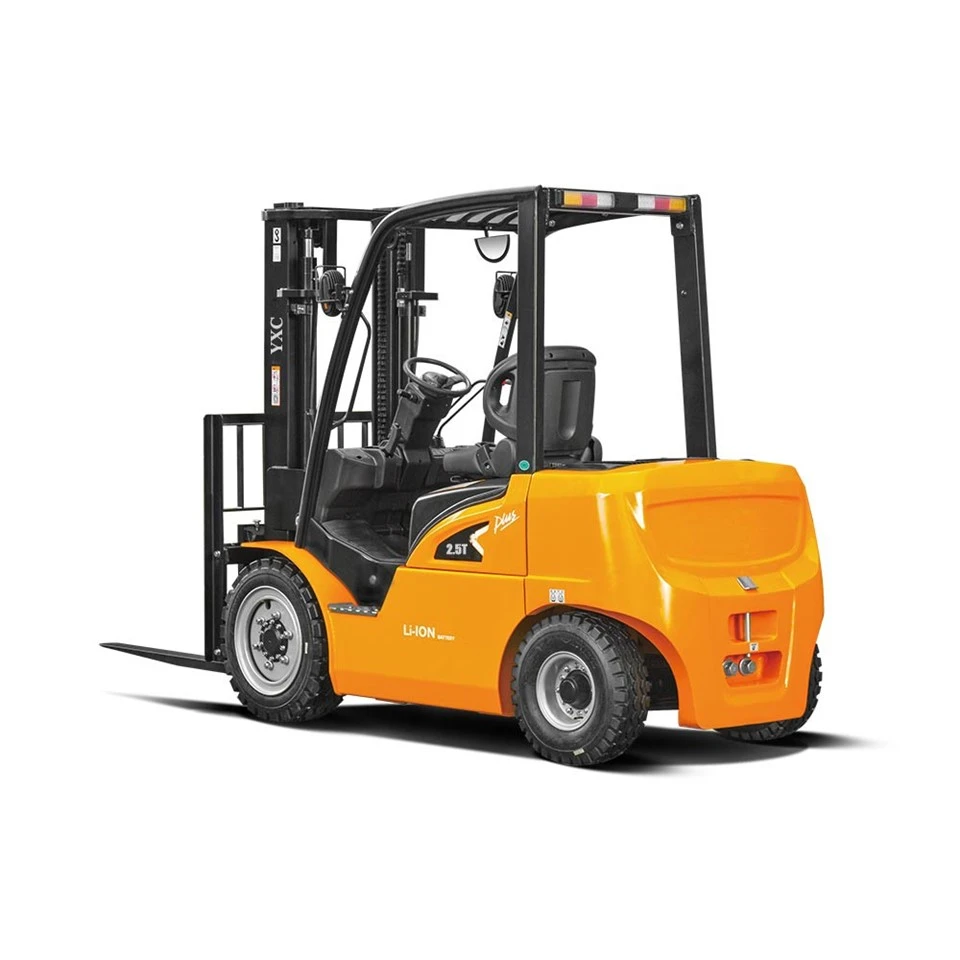
The chassis is like the backbone of the forklift. It's the main frame that holds all the other parts together. It's built tough to withstand the weight of the loads and the stresses of daily use. The chassis also houses the engine, transmission, and other important mechanical components.
The Mast
The mast is the vertical assembly that allows the forklift to lift and lower loads. It's made up of multiple sections that can telescope up and down. There are usually two types of masts: simplex and duplex. A simplex mast has a single stage and can lift loads to a limited height, while a duplex mast has two stages and can reach greater heights.
The mast is powered by hydraulic cylinders. These cylinders use hydraulic fluid to create pressure, which in turn moves the mast up and down. The operator controls the movement of the mast using a lever or joystick inside the cab.
The Forks
The forks are the most recognizable part of a forklift. They're the metal arms that slide under the load to lift it. Forks come in different sizes and shapes to accommodate various types of loads. The width and length of the forks can be adjusted to fit the specific requirements of the job.
The forks are attached to the carriage, which is part of the mast assembly. The carriage can move up and down along the mast, allowing the forks to lift and lower the load.
The Power Source
Forklifts can be powered by different sources, including gasoline, diesel, propane, and electricity. Each power source has its own advantages and disadvantages.
- Gasoline and Diesel Forklifts: These forklifts are powered by internal combustion engines. They're known for their high power and durability, making them suitable for outdoor use and heavy-duty applications. However, they produce emissions and require regular maintenance.
- Propane Forklifts: Propane forklifts are a popular choice because they're clean-burning and offer a good balance of power and efficiency. They're also relatively easy to refuel, making them a convenient option for many businesses.
- Electric Forklifts: Electric forklifts are powered by batteries. They're quiet, produce zero emissions, and require less maintenance than their combustion engine counterparts. They're ideal for indoor use, where air quality is a concern. If you're interested in an electric forklift, check out our Battery Forklift Lithium options.
The Hydraulic System
The hydraulic system is what makes the forklift's lifting and tilting functions possible. It uses hydraulic fluid to transfer power from the engine or electric motor to the various components of the forklift.
The hydraulic system consists of a hydraulic pump, hydraulic cylinders, and a series of valves and hoses. The pump is driven by the engine or electric motor and creates pressure in the hydraulic fluid. The pressure is then used to move the cylinders, which in turn move the mast, forks, and other components.
The Steering System
The steering system allows the operator to control the direction of the forklift. Most forklifts use a rear-wheel steering system, which provides better maneuverability in tight spaces. The operator uses a steering wheel or a tiller to turn the rear wheels.
The Operator's Cab
The operator's cab is where the driver sits and controls the forklift. It's designed to provide a comfortable and safe working environment. The cab is equipped with a seat, controls for the mast, forks, steering, and other functions, as well as safety features such as a seatbelt and a roll cage.
How It All Works Together
Now that we've covered the main components of a forklift, let's take a look at how they work together to lift and move a load.
- Positioning the Forks: The operator drives the forklift to the load and positions the forks under it. The width of the forks can be adjusted to fit the load.
- Lifting the Load: The operator uses the controls in the cab to activate the hydraulic system. The hydraulic pump creates pressure in the hydraulic fluid, which is then sent to the cylinders in the mast. The cylinders extend, raising the mast and the forks, along with the load.
- Moving the Load: Once the load is lifted, the operator can drive the forklift to the desired location. The steering system allows the operator to control the direction of the forklift.
- Lowering the Load: When the forklift reaches the destination, the operator uses the controls to lower the mast and the forks, placing the load on the ground or on a storage rack.
Safety Considerations
Operating a forklift requires proper training and safety precautions. Here are some important safety tips to keep in mind:

- Get Proper Training: Only trained and certified operators should be allowed to operate a forklift. Training should cover the safe operation of the forklift, as well as the proper use of safety equipment.
- Inspect the Forklift: Before each use, the operator should inspect the forklift for any signs of damage or malfunction. This includes checking the tires, brakes, steering, and hydraulic system.
- Use Safety Equipment: Operators should always wear a seatbelt and other appropriate safety equipment, such as a hard hat and safety shoes.
- Follow Load Capacity Limits: Forklifts have a maximum load capacity, and it's important not to exceed this limit. Overloading a forklift can cause it to tip over, which can be extremely dangerous.
- Be Aware of Your Surroundings: Operators should always be aware of their surroundings and watch out for pedestrians, other vehicles, and obstacles.
Conclusion
Well, there you have it - a basic overview of how a forklift works. As a forklift supplier, I know how important it is to choose the right forklift for your business. Whether you need a small electric forklift for indoor use or a heavy-duty diesel forklift for outdoor applications, we've got you covered.
If you're interested in learning more about our forklift products or have any questions, don't hesitate to reach out. We're here to help you find the perfect forklift for your needs and provide you with the support and service you deserve. Let's start a conversation about your forklift requirements and see how we can work together to improve your operations.
References
- OSHA. (n.d.). Powered Industrial Trucks (Forklifts). Retrieved from the Occupational Safety and Health Administration website.
- Industrial Truck Association. (n.d.). Forklift Basics. Retrieved from the Industrial Truck Association website.