


In recent years, the agricultural and industrial sectors have witnessed a significant shift towards more sustainable and eco - friendly equipment. Electric small tractors have emerged as a promising alternative to traditional fuel - powered tractors. As a supplier of electric small tractors, I've been closely observing this trend and have some insights to share on whether these tractors are truly environmentally friendly.
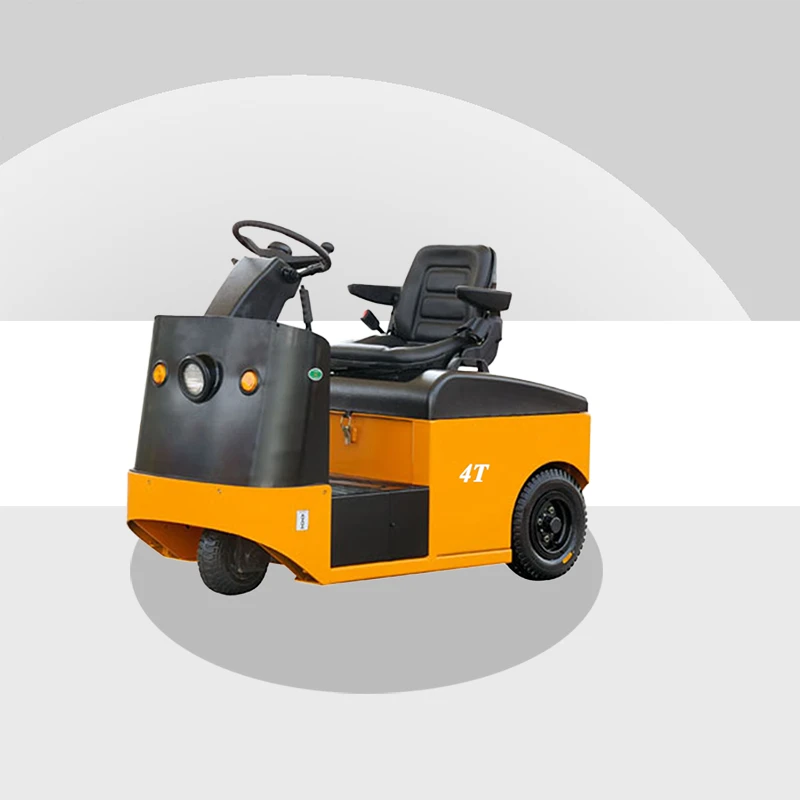
The Environmental Advantages of Electric Small Tractors
Zero Tailpipe Emissions
One of the most obvious environmental benefits of electric small tractors is the absence of tailpipe emissions. Traditional diesel or gasoline - powered tractors release a variety of pollutants into the atmosphere, including carbon monoxide (CO), nitrogen oxides (NOx), particulate matter (PM), and hydrocarbons (HC). These pollutants contribute to air pollution, smog formation, and have detrimental effects on human health, especially in rural areas where tractors are widely used.
In contrast, electric small tractors run on electricity, which means they produce zero emissions during operation. This is a major advantage, particularly in areas where air quality is a concern. For example, in regions with strict environmental regulations or in organic farms where chemical - free production is a priority, electric small tractors can help maintain a clean and healthy environment.
Reduced Noise Pollution
Another environmental advantage of electric small tractors is their quiet operation. Diesel engines are known for their loud and often disruptive noise, which can have a negative impact on wildlife, farm workers, and nearby residents. Electric motors, on the other hand, operate much more quietly. This reduced noise pollution not only creates a more pleasant working environment for operators but also minimizes the disturbance to local ecosystems.
Wildlife in and around farmland can be easily stressed by loud noises, which can disrupt their natural behaviors such as feeding, mating, and nesting. By using electric small tractors, farmers can help preserve the natural balance of the local ecosystem and reduce the stress on wildlife populations.

Energy Efficiency
Electric small tractors are generally more energy - efficient than their fuel - powered counterparts. Internal combustion engines in traditional tractors are often inefficient, with a large portion of the energy from the fuel being wasted as heat. Electric motors, however, can convert a higher percentage of the electrical energy into mechanical energy, resulting in less energy waste.
Moreover, the electricity used to power these tractors can be sourced from renewable energy sources such as solar, wind, or hydroelectric power. This further enhances the environmental friendliness of electric small tractors, as it reduces the reliance on fossil fuels and decreases the overall carbon footprint of the agricultural or industrial operations.
Potential Environmental Concerns
Battery Production and Disposal
While electric small tractors offer many environmental benefits, there are also some potential concerns, particularly related to the batteries. The production of lithium - ion batteries, which are commonly used in electric vehicles and tractors, requires the extraction of various minerals such as lithium, cobalt, and nickel. The mining of these minerals can have significant environmental impacts, including habitat destruction, water pollution, and soil degradation.
In addition, the disposal of used batteries is another challenge. If not properly managed, batteries can release toxic chemicals into the environment. However, the industry is making progress in developing more sustainable battery production methods and recycling technologies. For example, some companies are exploring the use of more abundant and less environmentally damaging materials in battery production, and there are also initiatives to improve battery recycling rates.
Electricity Generation
The environmental impact of electric small tractors also depends on the source of the electricity used to charge them. If the electricity is generated from coal - fired power plants, the overall carbon footprint of the tractor may not be significantly reduced compared to a diesel - powered tractor. However, as the global energy mix shifts towards more renewable sources, the environmental benefits of electric small tractors will become even more pronounced.

Our Product Line and Environmental Impact
As a supplier of electric small tractors, we are committed to offering products that are both environmentally friendly and high - performance. Our product range includes the 6 Ton Electric Tractor, the 20 Ton Car Type Tractor, and the Electric Compact Car Tractor.
Our tractors are designed with the latest electric motor technology, which ensures high energy efficiency and low maintenance requirements. We also work closely with battery manufacturers to source batteries that are produced using sustainable methods and can be easily recycled at the end of their life cycle.
Conclusion
In conclusion, electric small tractors have the potential to be highly environmentally friendly. Their zero tailpipe emissions, reduced noise pollution, and energy efficiency make them a more sustainable alternative to traditional fuel - powered tractors. While there are some potential environmental concerns related to battery production and electricity generation, the industry is actively working on solutions to address these issues.
If you are looking for an environmentally friendly and efficient tractor for your agricultural or industrial operations, we invite you to explore our product range. We are always ready to discuss your specific needs and provide you with the best - suited electric small tractor. Contact us to start the procurement negotiation process and take a step towards a more sustainable future.

References
- International Energy Agency. (2022). Global EV Outlook 2022.
- United Nations Environment Programme. (2021). Towards a Circular Economy for Batteries in Electric Vehicles.
- American Society of Agricultural and Biological Engineers. (2020). Standards for Agricultural and Industrial Tractors.